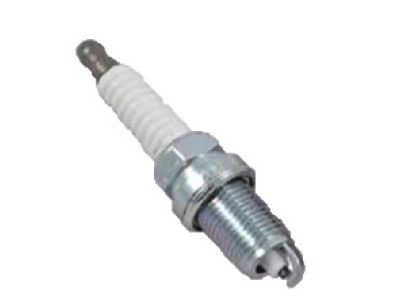
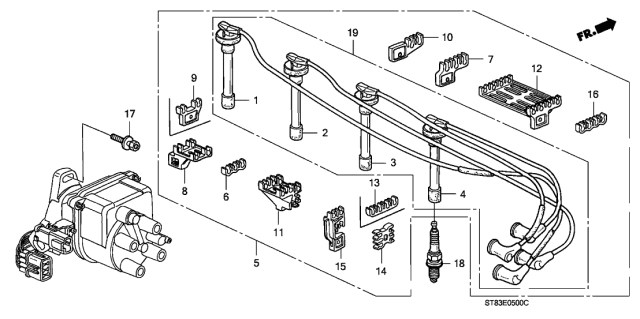
You must keep track of which spark plug goes where and move them back to their original spot in the engine. Each vehicle's engine places its spark plugs horizontally across the engine from side to side. To replace spark plugs, you need these 3 simple tools: a socket that fits your ratchet, several plug extensions, and a gap gauge for setting normal spark plug gaps. It helps to have a specific tool to loosen spark plug wires; they stay on pretty tightly. A torque wrench is needed to tighten the new plugs, with the best results coming when you let the engine cool completely before you remove or install anything. You should buy new spark plugs before you start, adjust them for their correct distance apart, and install them one at a time, making sure you get the right kind. Wait until the engine has had time to cool completely, then start removing and rechecking the plug after. You want to check the gap with the right thickness gauge, and adjust it mindfully to stay away from damaging the porcelain insulator. Disconnect the spark plug wire on Integra models by removing the spark plug cover first, and then pull straight on the boot hanging from the plug. If you have it, blow off dust from around the spark plug hole with compressed air. You need a long spark plug socket to access the spark plug on these Integra models. Insert the new plug while turning it counterclockwise. Before installng new spark plugs, applying a tiny layer of anti-seize lubricant to the threads makes sense. Push the new plug into the hole until your hand stops turning it, then tighten it with a tool called a torque wrench or ratchet, holding on to a piece of rubber tube for extra help at the start. Before linking the new spark plug wire to its plug, twist it tightly into place one time for each wire. Follow this sequence when putting new plugs on the engine, so you don't swap the wires.