×
- Hello
- Login or Register
- Quick Links
- Live Chat
- Track Order
- Parts Availability
- RMA
- Help Center
- Contact Us
- Shop for
- Acura Parts
- Acura Accessories

My Garage
My Account
Cart
Genuine 2006 Acura TL Engine
- Select Vehicle by Model
- Select Vehicle by VIN
Select Vehicle by Model
orMake
Model
Year
Select Vehicle by VIN
For the most accurate results, select vehicle by your VIN (Vehicle Identification Number).
1 Engine found
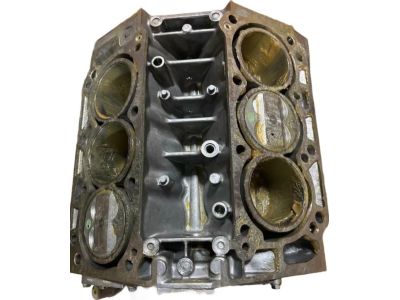
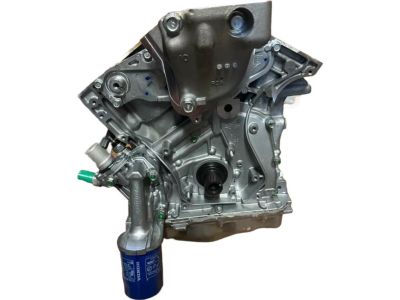
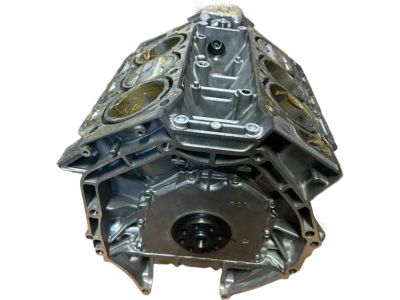
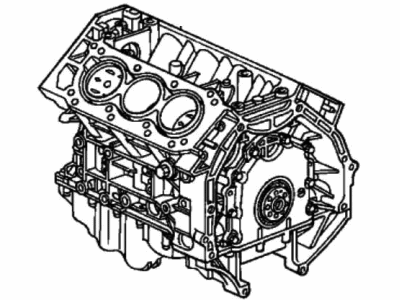
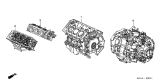
2006 Acura TL General Assembly (Dot)
Part Number: 10002-RDA-305$2561.69 MSRP: $6879.15You Save: $4317.46 (63%)Ships in 1-2 Business DaysProduct Specifications- Other Name: Short Block
- Replaces: 10002-RDA-A01, 10002-RDA-X00, 10002-RDA-A00, 10002-RDA-A02, 10002-RDA-X01
- Item Weight: 101.80 Pounds
- Item Dimensions: 29.8 x 28.8 x 26.3 inches
- Condition: New
- Fitment Type: Direct Replacement
- SKU: 10002-RDA-305
- Warranty: This genuine part is guaranteed by Acura's factory warranty.
2006 Acura TL Engine
If you find yourself requiring new genuine 2006 Acura TL Engine, consider paying us a visit. We carry a vast inventory of OEM 2006 Acura TL Engine, offered at highly competitive prices and superior quality, all with a manufacturer's warranty. Additionally, we take pride in our first-class customer service and speedy delivery.
2006 Acura TL Engine Parts Questions & Experts Answers
- Q:What preliminary steps should be taken before removing an engine for overhaul or major repair work on 2006 Acura TL?Posted by Roberto V.A:If an engine must be removed for overhaul or major repair work, several preliminary steps should be taken, including carefully reading all removal and installation procedures. The engine is removed by lowering it to the floor along with the transaxle, then raising the vehicle sufficiently to slide the assembly out, which requires both a vehicle hoist and an engine hoist. Locating a suitable workspace is extremely important, necessitating adequate space for the vehicle and storage; if a shop or garage isn't available, a flat, level, clean surface made of concrete or asphalt is required. Cleaning the engine compartment and engine before beginning the removal will help keep tools organized; after wrapping water-vulnerable components, a spray cleaner should be used, focusing on greasy areas, allowing the cleaner to soak as needed before rinsing and drying important components. An engine hoist rated for more than the combined weight of the engine and transaxle is essential for safety, given the potential hazards involved. If inexperienced, having at least one helper is advisable, as one person cannot easily manage the removal of a heavy engine and transaxle assembly alone, and seeking advice from someone experienced can be beneficial. Planning the operation ahead of time is crucial, including arranging for all necessary tools and equipment before starting the job; a sturdy engine stand is needed to support the engine during work, with a preference for four-wheeled models over three-wheeled ones due to stability concerns. Additionally, a heavy-duty floor jack, complete sets of wrenches and sockets, wooden blocks, and plenty of rags and cleaning solvent for spills are necessary. Finally, it is important to anticipate that the vehicle will be out of use for an extended period, and consulting a machine shop for an estimate on the time required for any work beyond the home mechanic's scope is recommended.Answered by Acura Parts Specialist Justin / May 09, 2024
Related 2006 Acura TL Parts
 2006 Acura TL Valve Cover Gasket
 2006 Acura TL Oil Pan
 2006 Acura TL Cylinder Head Gasket
 2006 Acura TL Cylinder Head
 2006 Acura TL Intake Manifold Gasket
 2006 Acura TL Exhaust Manifold Gasket
 2006 Acura TL Camshaft
 2006 Acura TL Crankshaft
 2006 Acura TL Transmission Assembly
 2006 Acura TL Transmission Gasket
 2006 Acura TL Camshaft Seal
 2006 Acura TL Engine Block