×
- Hello
- Login or Register
- Quick Links
- Live Chat
- Track Order
- Parts Availability
- RMA
- Help Center
- Contact Us
- Shop for
- Acura Parts
- Acura Accessories

My Garage
My Account
Cart
Genuine Acura EGR Valve
Emissions EGR Valve- Select Vehicle by Model
- Select Vehicle by VIN
Select Vehicle by Model
orMake
Model
Year
Select Vehicle by VIN
For the most accurate results, select vehicle by your VIN (Vehicle Identification Number).
17 EGR Valves found
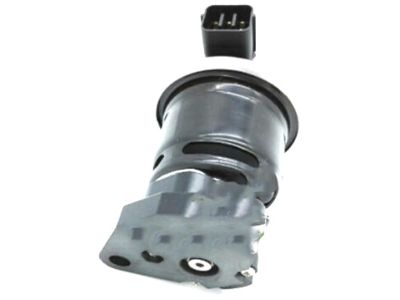
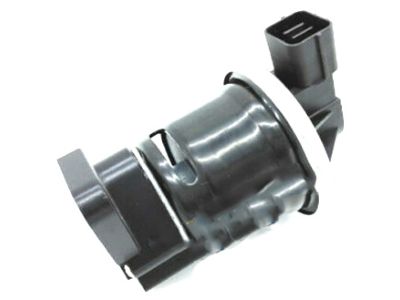
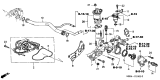
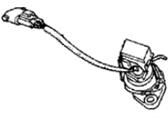
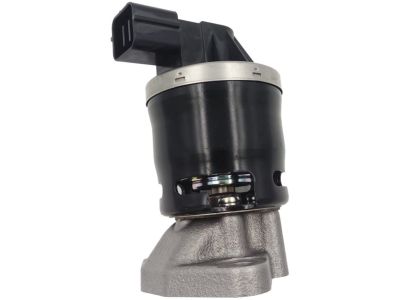
Acura Egr Valve Set
Part Number: 18011-RCA-A00$316.32 MSRP: $451.75You Save: $135.43 (30%)Ships in 1-3 Business DaysProduct Specifications- Other Name: Valve Set,Egr; EGR Valve
- Replaces: 18011-PXK-020, 18011-PXK-030, 18011-P8C-A00, 18011-PGE-A00
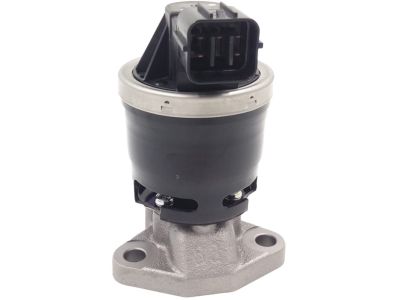
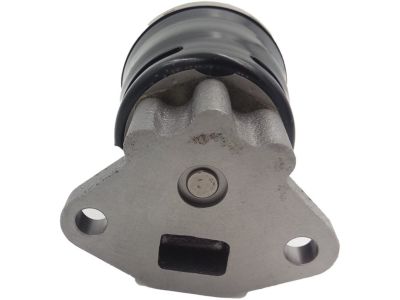
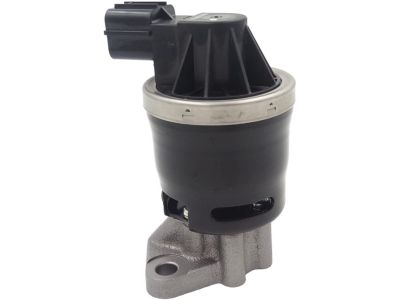
Acura Egr Valve Set
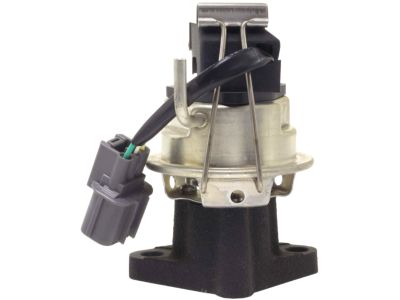
Part Number: 18011-PGK-A03$224.15 MSRP: $320.12You Save: $95.97 (30%)Ships in 1-3 Business DaysProduct Specifications- Other Name: Valve Set,Egr; EGR Valve
- Replaces: 18011-PGK-A02, 18011-P8F-A00, 18011-PGK-A00, 18011-PGK-A01
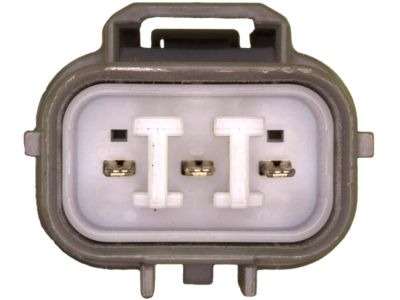
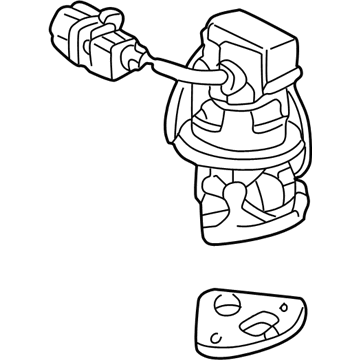
 Product Specifications
- Other Name: Valve Set,Egr; EGR Valve
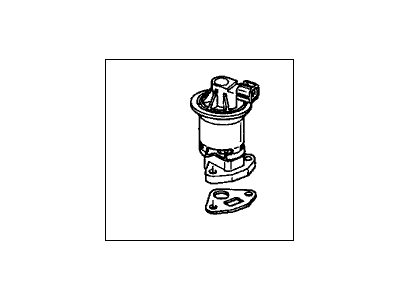
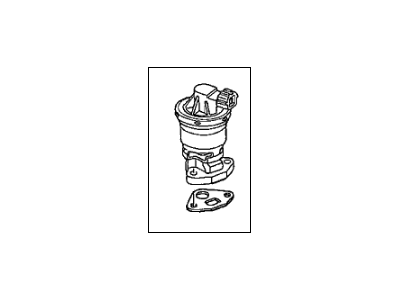
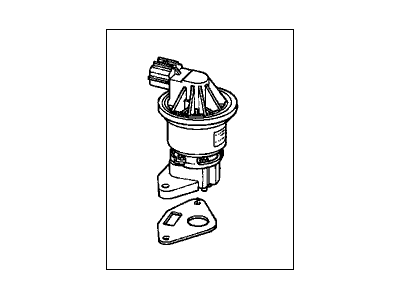
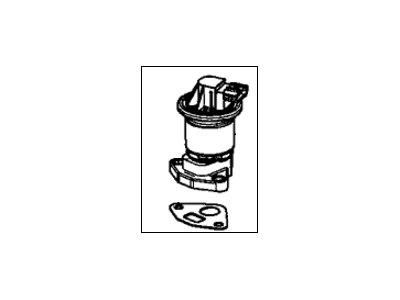
Acura Autokay Exhaust Gas Recirculation Egr Valve W/Gasket
Part Number: 18011-P8A-A00$316.32 MSRP: $451.75You Save: $135.43 (30%)Product Specifications- Other Name: Valve Set,Egr
Acura Valve Set,Egr
Part Number: 18011-PAA-A00$261.38 MSRP: $373.30You Save: $111.92 (30%)Ships in 1-3 Business DaysProduct Specifications- Other Name: Egr Valve
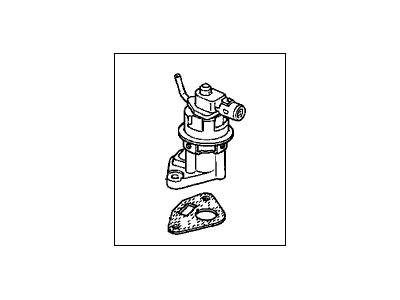
Acura Egr Valve Set
Part Number: 18011-P0A-A00$231.10 MSRP: $324.97You Save: $93.87 (29%)Ships in 1-2 Business DaysProduct Specifications- Other Name: Valve Set,Egr; EGR Valve
Acura Valve Set,Egr
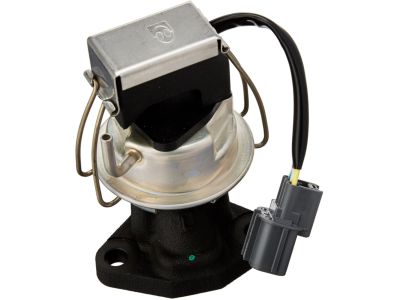
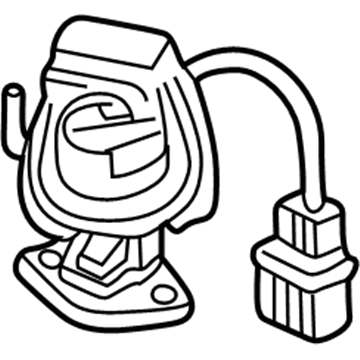
Part Number: 18011-RBJ-000$514.87 MSRP: $735.32You Save: $220.45 (30%)Ships in 1-3 Business DaysProduct Specifications- Other Name: Egr Valve
 Product Specifications
- Other Name: Valve Set,Egr
- Replaces: 18710-PY3-003
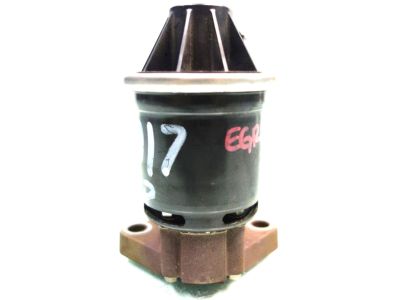
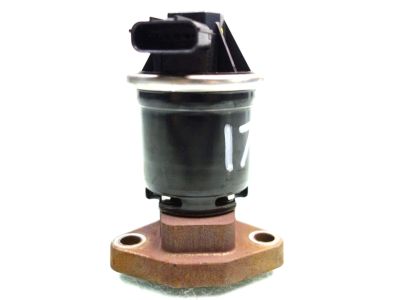
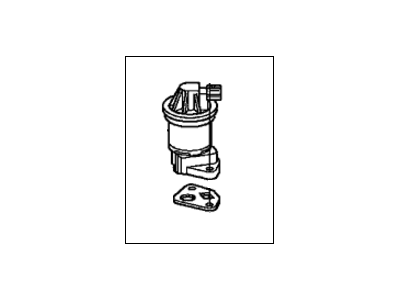
 Product Specifications
- Other Name: Valve Set,Egr; EGR Valve
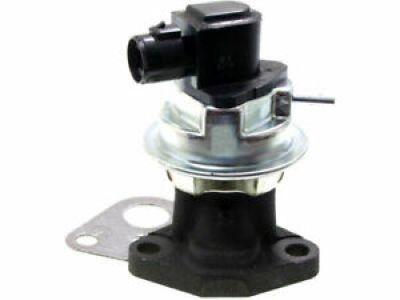
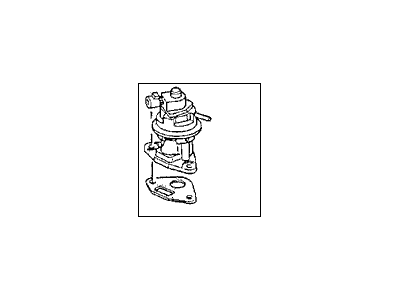
 Product Specifications
- Other Name: Valve Set,Egr; EGR Valve
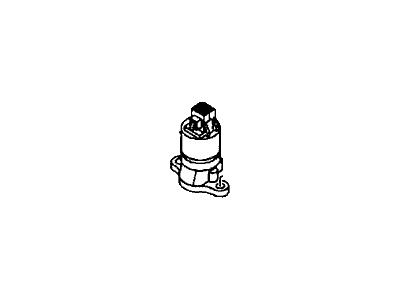
 Product Specifications
- Other Name: Egr Valve
- Replaces: 8-17096-178-1, 8-17096-178-0, 8-17096-178-2
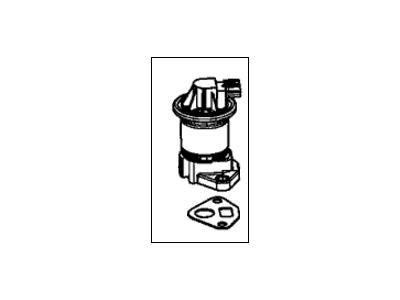
 Product Specifications
- Other Name: Valve Set EGR; EGR Valve
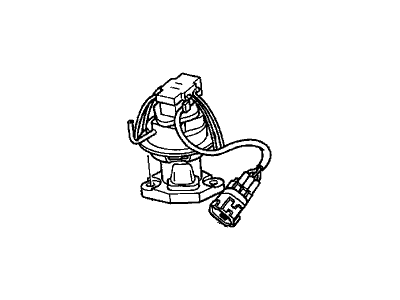
 Product Specifications
- Other Name: Egr Valve; Valve
- Replaces: 18710-PR4-A51
 Product Specifications
- Replaced by: 18710-PH7-306
- Product Specifications
- Replaced by: 18710-PL2-S02
 Product Specifications
- Other Name: Valve
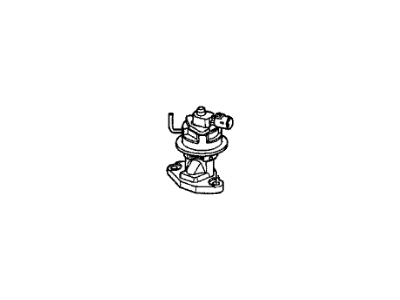
 Product Specifications
- Other Name: Egr Valve
About Acura EGR Valve
The exhaust gas recirculation, or EGR, valve plays a key role in reducing unwanted engine emissions and engine knock. The EGR valve is typically housed on the intake manifold and permits a measured amount of exhaust gasses back into the engine. If a faulty valve is not replaced, it can cause major damage to the engine requiring very costly repairs. You can promote environmental welfare and good automotive health by making sure that the EGR system has a working Acura EGR Valve installed.
Acura EGR Valve Parts Questions & Experts Answers
- Q:How to Diagnose and Replace the EGR Valve on the Acura Legend's EGR Control System?Posted by Flaco R.A:Integra models are not equipped with an EGR system. The EGA system reduces oxides of nitrogen by recirculating exhaust gas through the EGA valve and intake manifold into the combustion chambers. It consists of the EGA valve, the eve valve, the EGA control solenoid valve, the Electronic Control Unit (ECU), and various sensors. The ECU memory is programmed to produce the ideal EGA valve lift for each operating condition, with a lift sensor detecting the amount of EGA valve lift and sending this information to the ECU, which compares it with the ideal lift determined by data from other sensors. If there is a difference, the ECU triggers the EGA control solenoid valve to adjust the vacuum applied to the EGA valve. To check the EGR valve, start the engine and allow it to idle, then detach the vacuum hose from the EGA valve and attach a hand vacuum pump. Apply vacuum to the EGA valve; it should remain steady while the engine runs poorly. If the vacuum does not remain steady or the engine does not run poorly, replace the EGA valve and recheck. If the vacuum remains steady but the engine does not run poorly, remove the EGA valve and check for blockages in the valve and intake manifold, cleaning or replacing as necessary. For the EGR control system, detach the number 5 vacuum hose from the three-way joint and attach a vacuum gauge, then start the engine and wait for it to reach normal operating temperature. There should be manifold vacuum, and further checking of the EGA system requires special tools and equipment, so take the vehicle to a dealer service department or qualified repair shop. If EGR valve replacement is necessary, remove the air intake duct, unplug the electrical connector for the EGA valve lift sensor, and remove the two nuts securing the EGA valve to detach it. Clean the mating surfaces of the EGA valve and adapter, install the new EGA valve with a new gasket, tighten the nuts securely, and plug in the electrical connector.Answered by Acura Parts Specialist Justin / May 27, 2022