×
- Hello
- Login or Register
- Quick Links
- Live Chat
- Track Order
- Parts Availability
- RMA
- Help Center
- Contact Us
- Shop for
- Acura Parts
- Acura Accessories

My Garage
My Account
Cart
Genuine Acura Legend Distributor Cap
Ignition Distributor Cap- Select Vehicle by Model
- Select Vehicle by VIN
Select Vehicle by Model
orMake
Model
Year
Select Vehicle by VIN
For the most accurate results, select vehicle by your VIN (Vehicle Identification Number).
3 Distributor Caps found
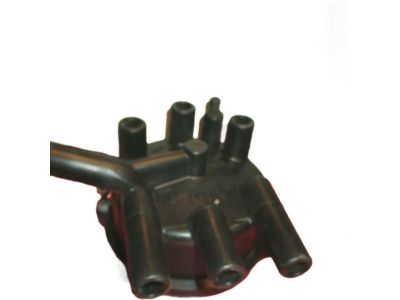
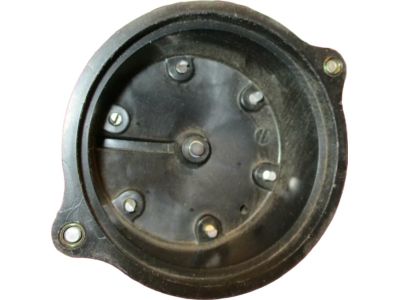
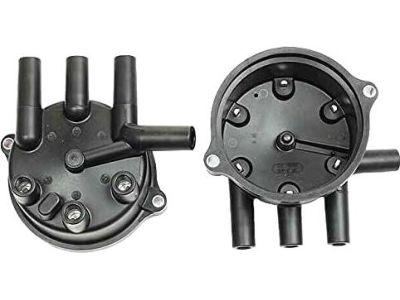
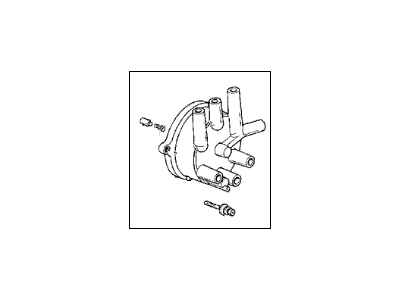
Acura Legend Cap Assembly, Distributor (Tec)
Part Number: 30102-PH7-006$21.75 MSRP: $31.07You Save: $9.32 (30%)Ships in 1-2 Business Days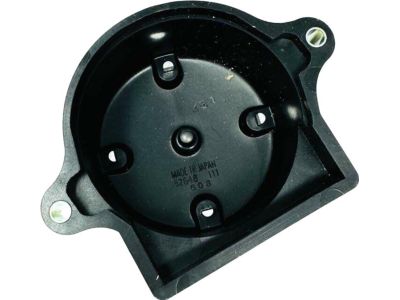
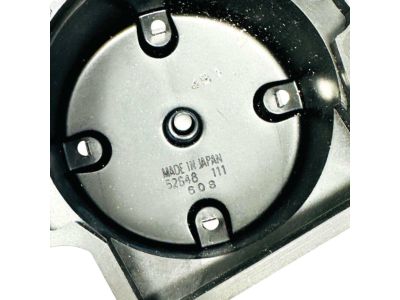
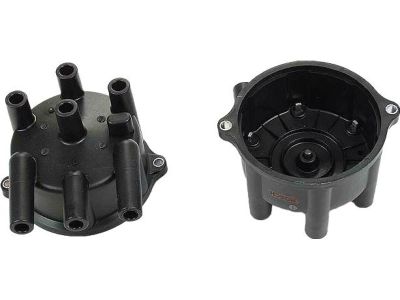
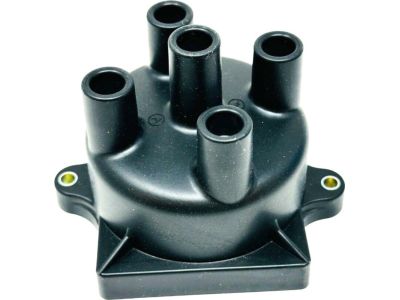
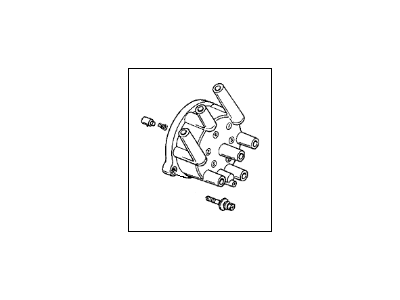
Acura Legend Distributor Cap
The ignition coil inside an Acura Legend Distributor Cap produces high voltages. It channels these voltages to a particular spark plug in the correct sequence. This makes sure that combustion is a smooth process. The cap, which sits on the distributor, protects the moving rotor and delicate contacts from heat, moisture, and dirt so the Acura engine starts without misfire or stalling. On the inside, you will find brass or aluminum terminal leads lined up with cylinder leads, and as the rotor passes each post, the Distributor Cap permits the current to take a shortcut to bridge the gap so that the current can ignite the fuel instantly. At last, many years down the line, drivers see two main cap styles being applied for sedan and coupe variants. The early versions of first-generation Legend cars had a vented plastic case sealed by an O-ring. The second-generation Legend applied thicker insulating resin and adjusted the positioning of the drain slots. This change enhances resistance to cracking and carbon tracking in cold regions. Even with a different shape, both styles attach with a few screws and comply with factory Acura specifications, so swapping a tired Distributor Cap takes only minutes. By keeping an eye on shaking, backfiring, or hard starts, the driver replaces the Distributor Cap before getting stranded. A healthy Distributor Cap keeps the Acura Legend ignition precise.
We provide a broad range of OEM Acura Legend Distributor Cap at unbeatable prices on our website. For your OEM parts, You can count on the guaranteed quality, manufacturer's warranty, outstanding customer service, and prompt delivery. We look forward to your visit.
Acura Legend Distributor Cap Parts Questions & Experts Answers
- Q:How to inspect and install new spark plug wires and Distributor Cap on Acura Legend?Posted by Sassa L.A:Look at the Spark Plug wires when you put new plugs in, and check the air quality in a garage with a fan on before shifting to the car ignition system. When you notice flashing or sparks coming out of damaged areas on your spark plug wires as your engine runs, prepare to replace the wires, wait for the engine to cool off, check the distributor cap, and rotor. Mark each spark plug wire with a number in your correct order by sticking numbers on with strips of tape. Take the plug wire off the spark plug by using a removal tool or turning the rubber boot, never pull on the wire directly. In the boot, look for a white colored powder of corrosion, and make sure the wire slides into the spark plug accurately; if it's loose, compress the metal connector enclosed in the boot. Use a rag to wipe away dirt and grease from the wire, pay attention to it looking burned, cracked, or broken while keeping it from bending hard. Pull out the distributor wire from its connection, taking care to check the condition, then see if the fit is right before installing a new one. When checking the wires, make sure each one has a firm connection at both ends: the distributor and around the spark plug. Pick out spark plug wires precisely designed for your engine type, one by one, to be sure you replace the right wire. Loosen the bolts securing the distributor cap, remove them, check the cap for cracks and contacts that have worn down, and put on a new one if needed. If you see cracks or carbon tracks on the rotor, take it off the distributor shaft, replace it immediately. Keep the old cap only when you check and replace its spark plug wires if the detection resistance value is higher than it should be. Move one wire at a time from your old cap when putting on a new one, keeping the wires in their original order.Answered by Acura Parts Specialist Sal / Oct 13, 2024