×
- Hello
- Login or Register
- Quick Links
- Live Chat
- Track Order
- Parts Availability
- RMA
- Help Center
- Contact Us
- Shop for
- Acura Parts
- Acura Accessories

My Garage
My Account
Cart
Genuine Acura Legend Spark Plug
Ignition Spark Plug- Select Vehicle by Model
- Select Vehicle by VIN
Select Vehicle by Model
orMake
Model
Year
Select Vehicle by VIN
For the most accurate results, select vehicle by your VIN (Vehicle Identification Number).
20 Spark Plugs found
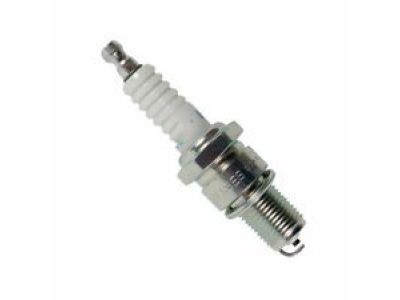
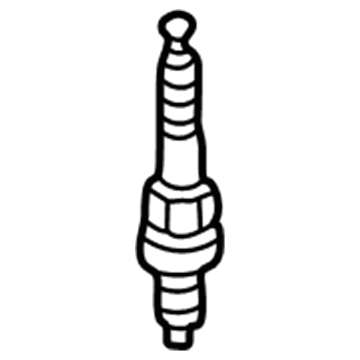
Acura Legend Spark Plug (Pk20Pr-L11) (Denso)
Part Number: 98079-5615H$18.64 MSRP: $26.00You Save: $7.36 (29%)Ships in 1-3 Business Days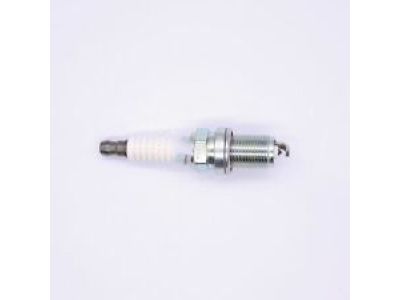
Acura Legend Spark Plug (Pfr6G-11) (Ngk)
Part Number: 98079-5614H$18.21 MSRP: $26.00You Save: $7.79 (30%)Ships in 1 Business Day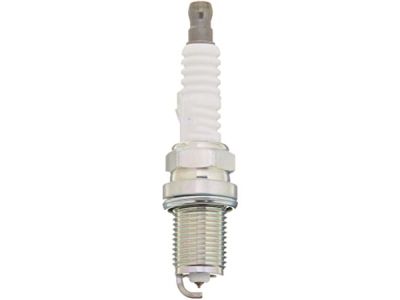
Acura Legend Spark Plug (Pk16Pr-L11) (Denso)
Part Number: 98079-5515H$18.21 MSRP: $26.00You Save: $7.79 (30%)Ships in 1-2 Business Days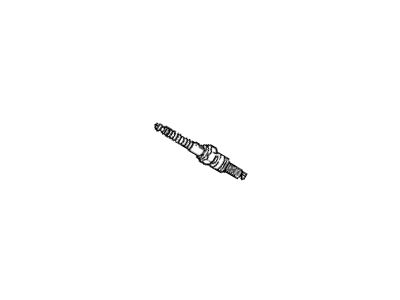
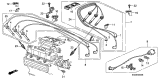
Acura Legend Spark Plug (Bcpr6E-11) (Ngk)
Part Number: 98079-56148$2.46 MSRP: $3.43You Save: $0.97 (29%)Ships in 1-3 Business Days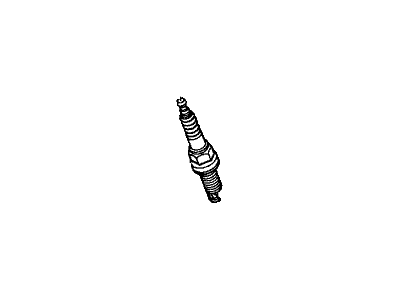
Acura Legend Spark Plug (Pzfr6F-11) (Ngk)
Part Number: 98079-5614N$18.64 MSRP: $26.00You Save: $7.36 (29%)Ships in 1-3 Business DaysAcura Legend Spark Plugs (Bcpr5E-11) (Ngk)
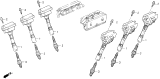
Part Number: 98079-55148$2.46 MSRP: $3.43You Save: $0.97 (29%)Ships in 1-3 Business Days
Acura Legend Spark Plug (Bcpr7Ey-N11) (Ngk)
Part Number: 98079-5714A$2.46 MSRP: $3.43You Save: $0.97 (29%)Ships in 1-3 Business DaysAcura Legend Spark Plug (Bcpr5Ey-N11) (Ngk)
Part Number: 98079-5514A$2.46 MSRP: $3.43You Save: $0.97 (29%)Ships in 1-3 Business Days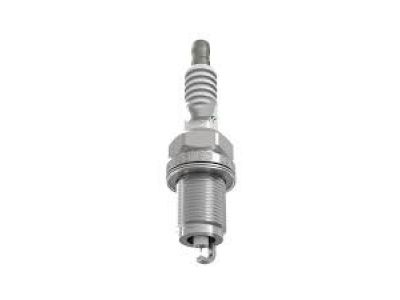
Acura Legend Spark Plug (Pkj20Cr-L11) (Denso)
Part Number: 98079-5615N$18.64 MSRP: $26.00You Save: $7.36 (29%)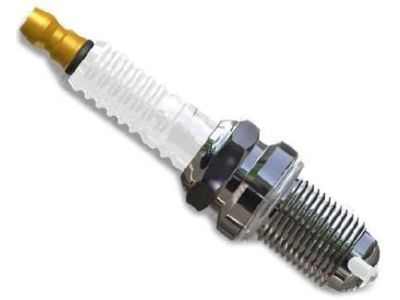
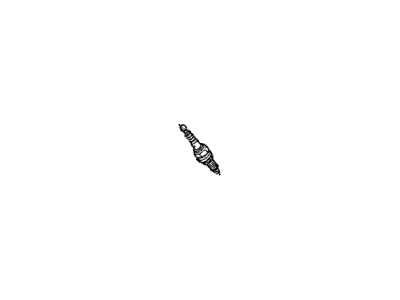
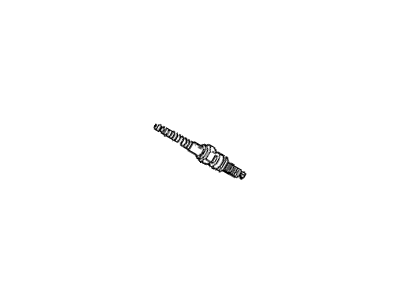
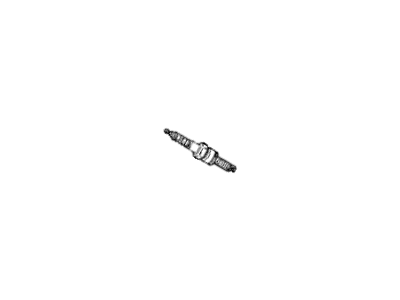
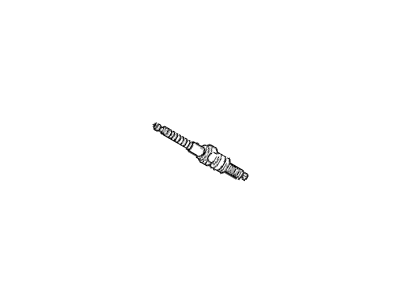
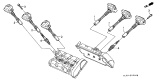
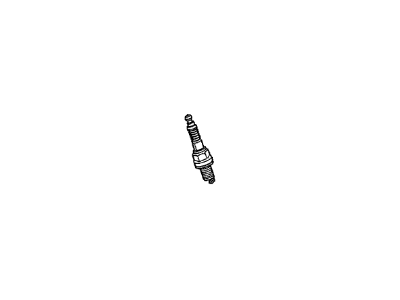
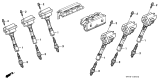
Acura Legend Spark Plug
The Acura Legend Spark Plug is a genuine and essential part of the entire bundle that has processed the reliability and performance of the Acura Legend car model. Subservient to firing the air/fuel mixture within the combustion chamber, the Legend Spark Plug is a strategic component that would keep the engine optimized. The product comes in different varieties such as copper/nickel, platinum, double platinum, and iridium to suit different engines; thus, improving the longevity and performance of the engine. Because of the compatibility with different models such as the 2-door coupe and 4-door sedan, the Legend Spark Plug can be considered irreplaceable for Acura's traditional maintenance. Incorporation of the fine materials in the Legend Spark Plug, especially platinum and iridium, increases its durability and efficiency, thus adding to the safety of the vehicle in general. This one that has been classified as double platinum is uniquely built for waste spark systems, meaning it can't wear out easily and is more reliable. Acura is appreciated for the precise handling and potent V6 engines, and it attains the company's performance expectations due to the factor of a high-quality Legend Spark Plug. In this fiercely competitive market, it thus became apparent that the Acura Legend Spark Plug is not only a mere product that is required to ignite the vehicle combustion system but also one that made a considerable contribution to the vehicle dynamics, thus ensuring the car maker's continuing success story.
We provide a broad range of OEM Acura Legend Spark Plug at unbeatable prices on our website. For your OEM parts, You can count on the guaranteed quality, manufacturer's warranty, outstanding customer service, and prompt delivery. We look forward to your visit.
Acura Legend Spark Plug Parts Questions & Experts Answers
- Q:How to Replace the Spark Plug on an Acura Legend?Posted by Adonay D.A:To change a spark plug, you need a torque wrench, wire-type feeler gauge, ratchet wrench and spark plug socket. A rubber grommet lines that socket to safeguard the porcelain insulator of the spark plug and hold it during you insert it into the hole for the spark plug. To replace them, purchase new ones set their gap correctly and then install one at a time. For your specific vehicle, ensure that you get proper plugs found on the Vehicle Emissions Control Information (VECI) label under the hood. Examine all new plugs for blemishes with electrode gaps checked as well. If not so, use the curved side electrode slightly bending notched adjuster on its feeler gauge body if needed. Now work on one spark plug at a time to avoid problems from mixing up threads in wires while fixing other parts Remove one wire and boot from a single spark plug; but before going forward, clear away any dirt or foreign matter from around the area of this equipment if there exists compressed air Take out each of these old plugs and compare them with one another in order to determine how well engine is running In order to prevent cross-threading when installing new plugs, slip 3/16-inch ID rubber tubing over it until thread tighten fit short pieces followed by twisting motion Place boot on end of new sparkplug firmly by twisting it onto that end Follow above steps for changing rest of plugs individually instead of mixing up cables.Answered by Acura Parts Specialist Roberto / Apr 03, 2025