×
- Hello
- Login or Register
- Quick Links
- Live Chat
- Track Order
- Parts Availability
- RMA
- Help Center
- Contact Us
- Shop for
- Acura Parts
- Acura Accessories

My Garage
My Account
Cart
Genuine Acura Legend Radiator
Cooling Radiator- Select Vehicle by Model
- Select Vehicle by VIN
Select Vehicle by Model
orMake
Model
Year
Select Vehicle by VIN
For the most accurate results, select vehicle by your VIN (Vehicle Identification Number).
8 Radiators found
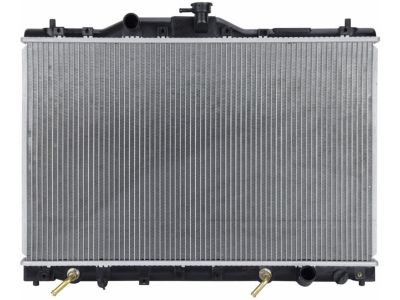
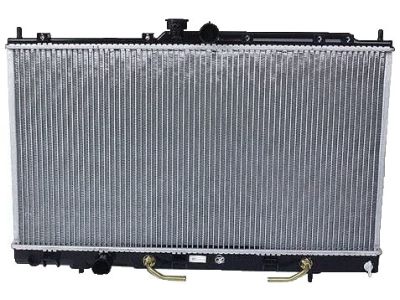
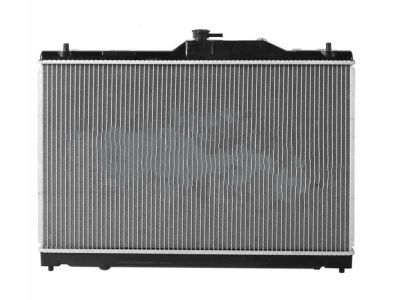
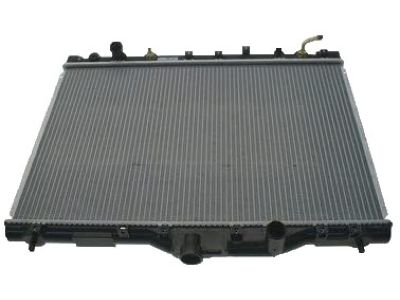
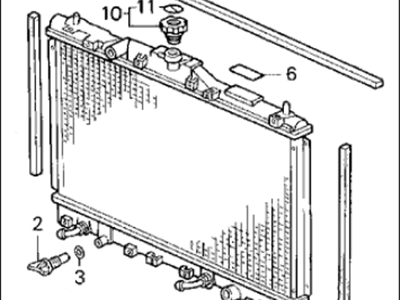
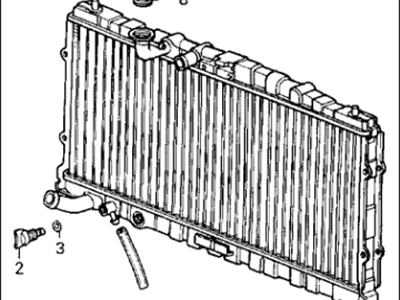
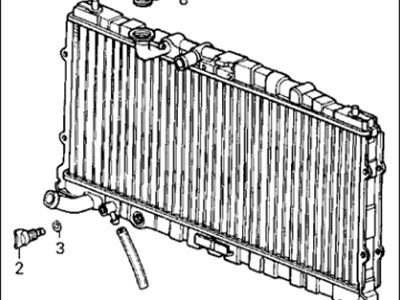
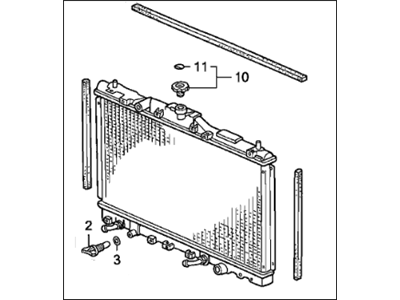
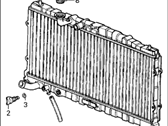
Acura Legend Radiator
Acura Legend Radiator maintains engine temperatures by transferring heat from circulating coolant through the passing air to protect against overheating on every drive. Positioned up front behind the grille, the Radiator consists of narrow aluminum tubes and thin fins to allow maximum surface area. Warm fluid from the engine of any Legend sheds heat quickly as air flows through. Most Acura models in this line use lightweight aluminum cores with plastic or aluminum tanks, but some older generations were available with heavier copper or brass alternatives. The primary difference is weight and corrosion resistance rather than function, and the Radiator style will still perform the same task in terms of heat exchange. Regardless of the material involved, the Radiator utilizes the same convection-driven exchange. An inlet tank accepts the heated coolant, and an outlet tank returns the cooled liquid to the block, a cycle driven by the water pump that is assisted by fans or forward motion. If leaks do develop, minor breaches can be repaired, but full replacement is the optimal assured solution to keeping an Acura engine safe. Regular flushing also removes sediment from a Legend cooling loop so that the Radiator removes heat rapidly and keeps every Acura Legend on the road performing steadily.
We provide a broad range of OEM Acura Legend Radiator at unbeatable prices on our website. For your OEM parts, You can count on the guaranteed quality, manufacturer's warranty, outstanding customer service, and prompt delivery. We look forward to your visit.
Acura Legend Radiator Parts Questions & Experts Answers
- Q:How to Remove and Install a Radiator on an Acura Legend?Posted by Rahul A.A:Take away the negative battery connection, brake your car from moving, and block the wheels at the back. Lift up the front of your vehicle, place jackstands beneath it, and hold it still. Below the radiator, take out the splash panel. Release all cooling fluids. Store old coolant for possible reuse if it looks fresh or already good. To work on vehicles with automatic transmission, start by capturing any coolant that leaks out by plugging and draining the lines connected to the radiator, so you don't waste fluid. To free the radiator fans, undo the connection for the switch before disconnecting the hoses from their fittings by loosening the clamps and turning them if they resist. Start by taking out the engine fans,legend models need a front crossmember unbolted, and handle the radiator very carefully to avoid dropping or scratching paint. Have a pro fix your radiator when you spot any leaks or damage. Wash away road debris from the back side of the radiator with a garden hose, and replace damaged radiator mounts if they look worn out. To install the radiator, put it in place and push down until it sits in all the bottom mounts at once, making sure both top and bottom sides fit in correctly. Once the radiator is in position, add the right blend of antifreeze and water, put the engine on, verify there are no leaks, let the vehicle heat up normally when running (shown by the top radiator hose becoming warm). Look at how much coolant your system has and top up the level as needed. When working on a car with an automatic transmission, check and fill the needed amount of transfluid.Answered by Acura Parts Specialist Greg / Nov 21, 2025