×
- Hello
- Login or Register
- Quick Links
- Live Chat
- Track Order
- Parts Availability
- RMA
- Help Center
- Contact Us
- Shop for
- Acura Parts
- Acura Accessories

My Garage
My Account
Cart
Genuine Acura TL Brake Booster
Brake Power Booster- Select Vehicle by Model
- Select Vehicle by VIN
Select Vehicle by Model
orMake
Model
Year
Select Vehicle by VIN
For the most accurate results, select vehicle by your VIN (Vehicle Identification Number).
11 Brake Boosters found
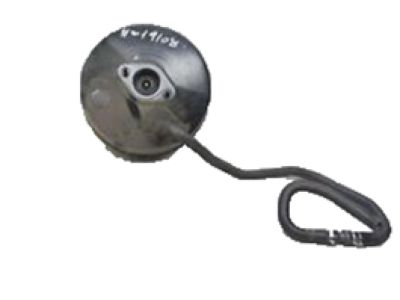
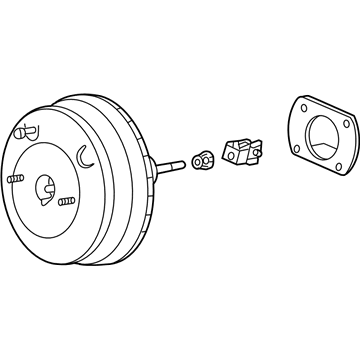
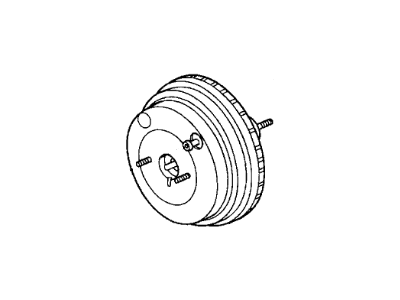
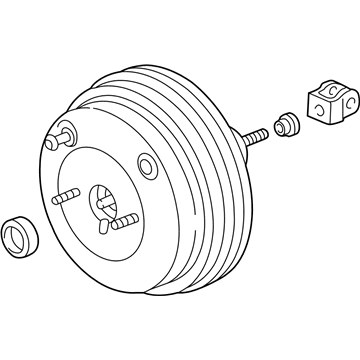
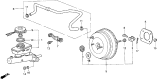
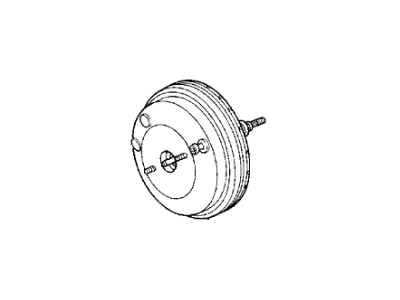
Acura TL Power Brake Booster
Part Number: 01469-TK5-A00$117.35 MSRP: $165.75You Save: $48.40 (30%)Ships in 1-3 Business Days
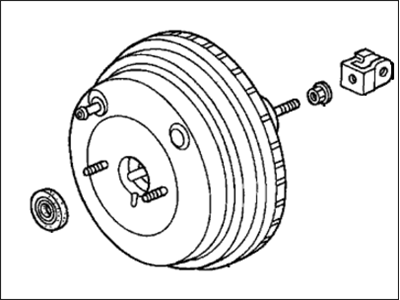
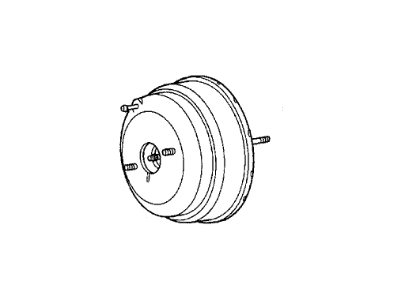
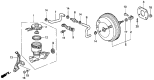
Acura TL Power Set, Master (10")
Part Number: 01469-TK4-A00$117.35 MSRP: $165.75You Save: $48.40 (30%)Ships in 1-3 Business Days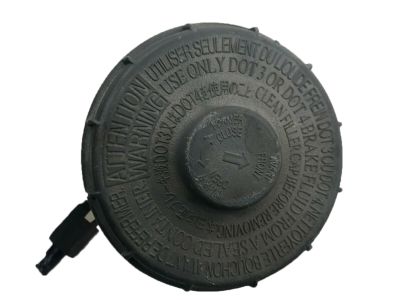
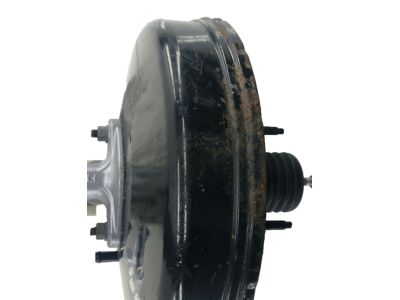
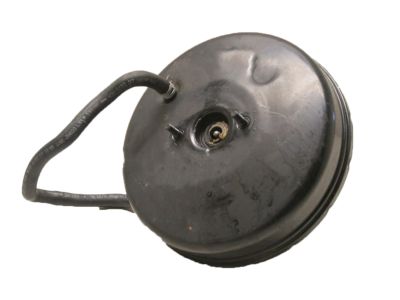
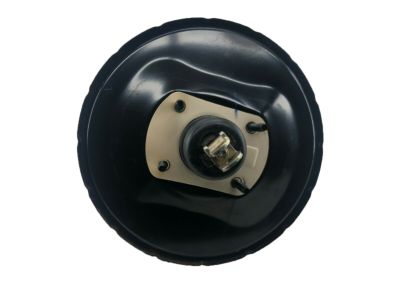
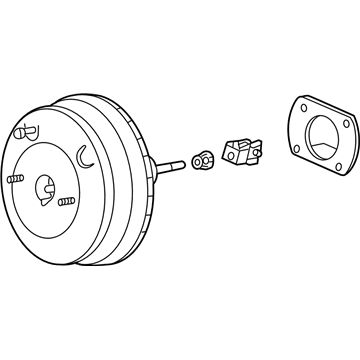
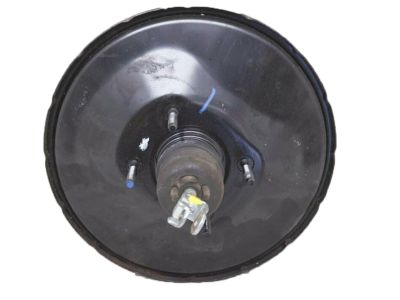
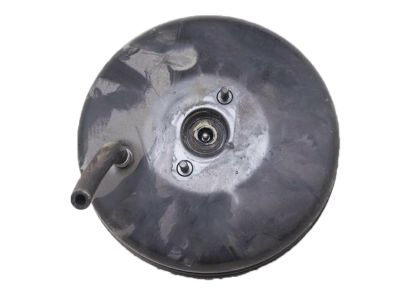
Acura TL Brake Booster
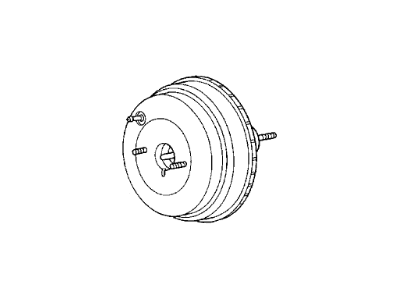
The Acura TL Brake Booster allows drivers to slow the sedan with much less pedal force by multiplying pressure between the foot and the master cylinder. Positioned between the pedal arm and the master cylinder, the Brake Booster on every TL in the Acura line converts light input to strong hydraulic output. Most years use a vacuum unit with both sides of a diaphragm having manifold suction, with the air in the rear chamber then being admitted from the outside air during the braking operation so the pressure difference will drive a power piston forward. This vacuum configuration, applied in third and fourth generation Acura models, remains light and reliable but loses help when the engine stalls. A couple of previous TL versions combined a hydraulic Brake Booster with the power steering pump, providing weight but steady assist when engine vacuum is diminished. Despite those contrasts, each TL Brake Booster has a pushrod valve that snaps shut on vacuum, opens to atmosphere or fluid, and delivers confident stops with minimal effort. Over long miles, an Acura Brake Booster will rarely fail, but a sudden hard pedal is a warning that assist has decreased.
We provide a broad range of OEM Acura TL Brake Booster at unbeatable prices on our website. For your OEM parts, You can count on the guaranteed quality, manufacturer's warranty, outstanding customer service, and prompt delivery. We look forward to your visit.
Acura TL Brake Booster Parts Questions & Experts Answers
- Q:How to Inspect, Diagnose, and Service the Brake Booster and Brake System Components on an Acura TL?Posted by Shane G.A:In addition to the specified intervals, the brakes should be inspected every time the wheels are removed or whenever a defect is suspected. Any of the following symptoms could indicate a potential brake system defect: The vehicle pulls to one side when the brake pedal is depressed; the brakes make squealing or dragging noises when applied: brake pedal travel is excessive; the pedal pulsates; or brake fluid leaks, usually onto the inside of the Tire or wheel. Disc brakes can be visually checked without removing any parts except the wheels. Remove the hub caps (if applicable) and loosen the wheel lug nuts a quarter turn each. Raise the vehicle and place it securely on jackstands. Remove the wheels. Now visible is the disc brake caliper which contains the pads. There is an outer brake pad and an inner pad. Both must be checked for wear. Measure the thickness of the outer pad at each end of the caliper and the inner pad through the inspection hole in the caliper body. If any brake pad thickness is less than specified, then all brake pads must be replaced. If you're in doubt as to the exact pad thickness or quality, remove them for measurement and further inspection. Check the disc for score marks, wear and burned spots. If any of these conditions exist, the disc should be removed for servicing or replacement. Before installing the wheels, check all the brake lines and hoses for damage, wear, deformation, cracks, corrosion, leakage, bends and twists, particularly in the vicinity of the rubber hoses and calipers. Install the wheels, lower the vehicle and tighten the wheel lug nuts. Sit in the driver's seat and perform the following sequence of tests. With the brake fully depressed, start the engine - the pedal should move down a little when the engine starts. With the engine running, depress the brake pedal several times - the travel distance should not change. Depress the brake, stop the engine and hold the pedal in for about 30 seconds - the pedal should neither sink nor rise. Restart the engine, run it for about a minute and turn it off. Then firmly depress the brake several times - the pedal travel should decrease with each application. If your brakes do not operate as described, the brake booster has failed.Answered by Acura Parts Specialist Mitch / Dec 15, 2024
Related Acura TL Parts


Browse by Year
2014 Brake Booster 2013 Brake Booster 2012 Brake Booster 2011 Brake Booster 2010 Brake Booster 2009 Brake Booster 2008 Brake Booster 2007 Brake Booster 2006 Brake Booster 2005 Brake Booster 2004 Brake Booster 2003 Brake Booster 2002 Brake Booster 2001 Brake Booster 2000 Brake Booster 1999 Brake Booster 1998 Brake Booster 1997 Brake Booster 1996 Brake Booster 1995 Brake Booster