×
- Hello
- Login or Register
- Quick Links
- Live Chat
- Track Order
- Parts Availability
- RMA
- Help Center
- Contact Us
- Shop for
- Acura Parts
- Acura Accessories

My Garage
My Account
Cart
Genuine Acura TL Oxygen Sensor
Oxygen O2 Sensor- Select Vehicle by Model
- Select Vehicle by VIN
Select Vehicle by Model
orMake
Model
Year
Select Vehicle by VIN
For the most accurate results, select vehicle by your VIN (Vehicle Identification Number).
28 Oxygen Sensors found
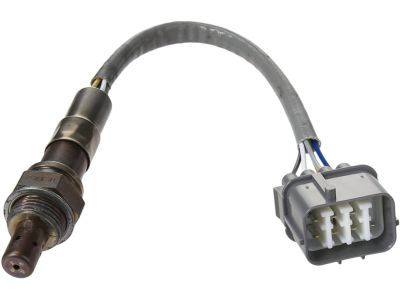
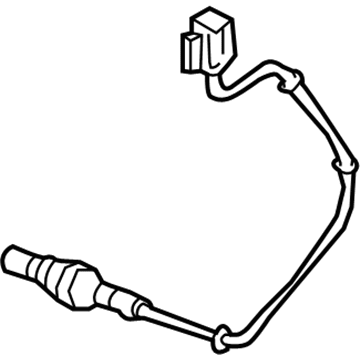
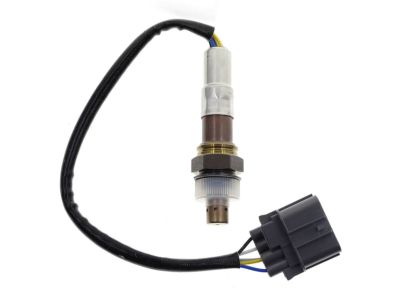
Acura TL Front Laf Sensor
Part Number: 36531-RDM-A01$253.08 MSRP: $361.43You Save: $108.35 (30%)Ships in 1-3 Business Days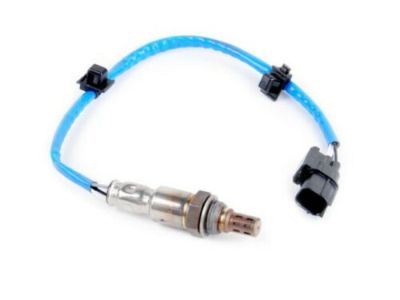
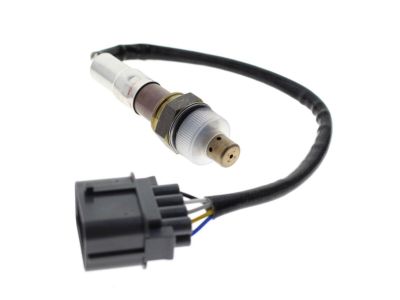
Acura TL Front Secondary Oxygen Sensor
Part Number: 36532-RYE-A01$142.99 MSRP: $201.97You Save: $58.98 (30%)Ships in 1-3 Business Days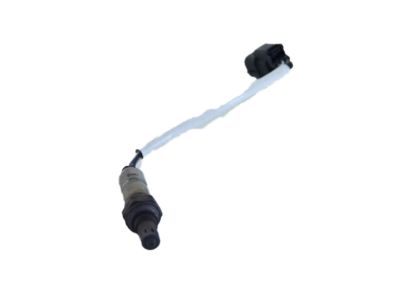
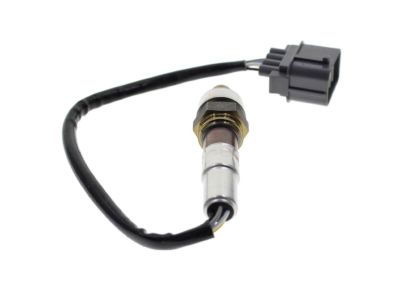
Acura TL Rear Laf Sensor
Part Number: 36541-R70-A02$185.10 MSRP: $264.35You Save: $79.25 (30%)Ships in 1-3 Business Days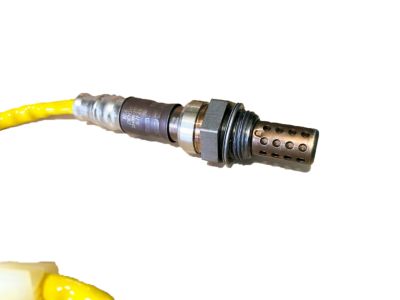

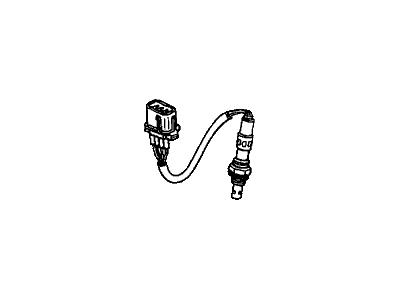
Acura TL Oxygen Sensor
Part Number: 36531-P8E-A11$227.02 MSRP: $324.22You Save: $97.20 (30%)Ships in 1-3 Business Days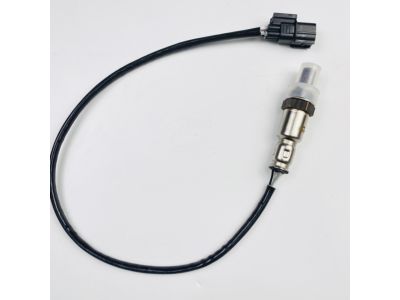
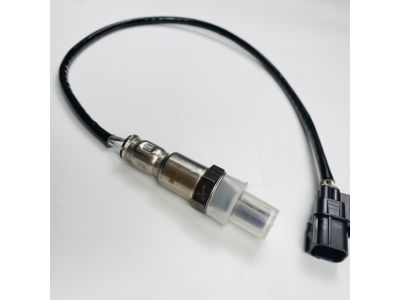
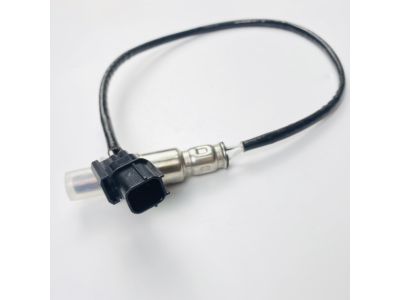
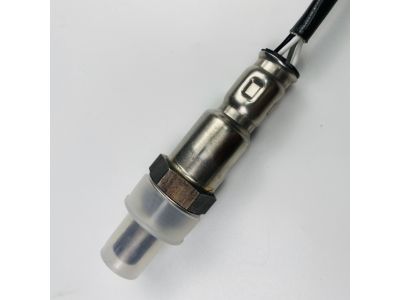
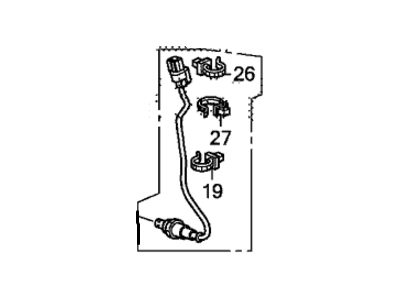
Acura TL Front Oxygen Sensor
Part Number: 36532-R70-A01$142.99 MSRP: $201.97You Save: $58.98 (30%)Ships in 1-2 Business Days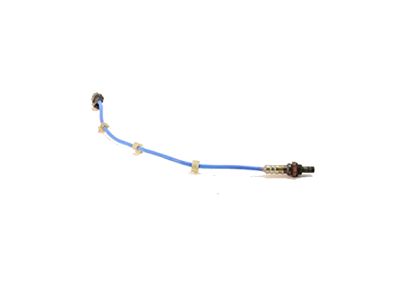
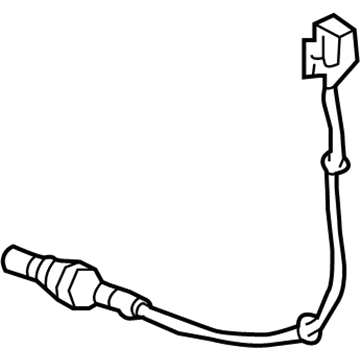
Acura TL Rear Secondary Oxygen Sensor
Part Number: 36542-RDA-A01$142.99 MSRP: $201.97You Save: $58.98 (30%)Ships in 1-3 Business Days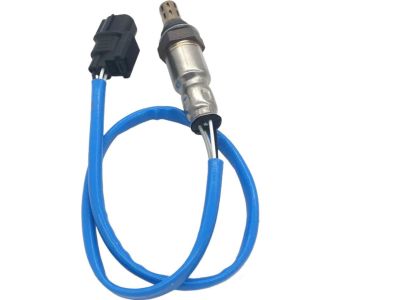
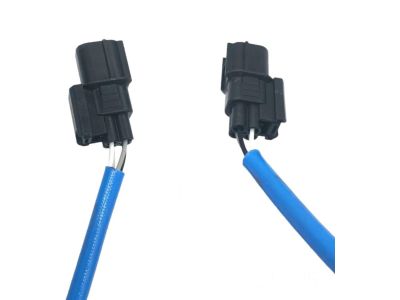
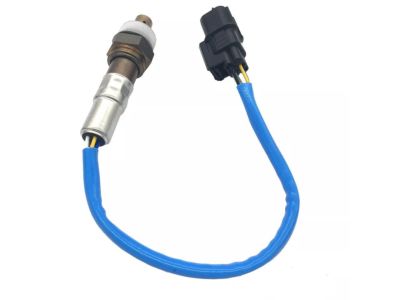
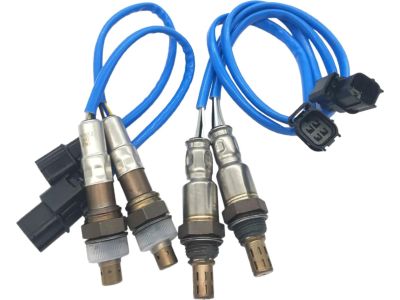
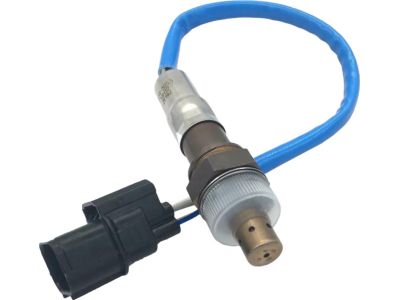
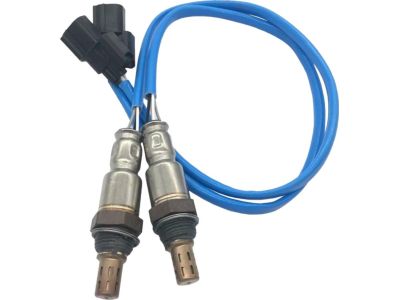
Acura TL Front Secondary Oxygen Sensor
Part Number: 36532-RDB-A01$142.99 MSRP: $201.97You Save: $58.98 (30%)Ships in 1-3 Business Days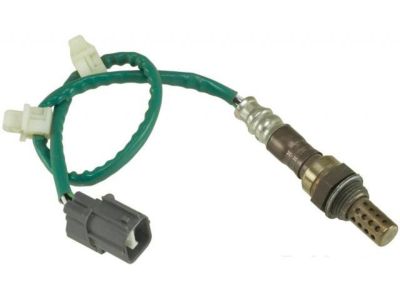
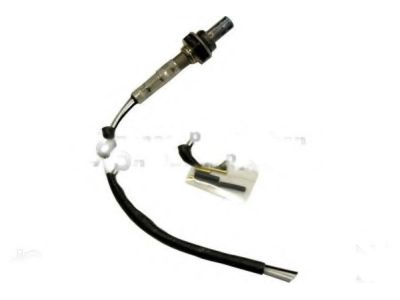
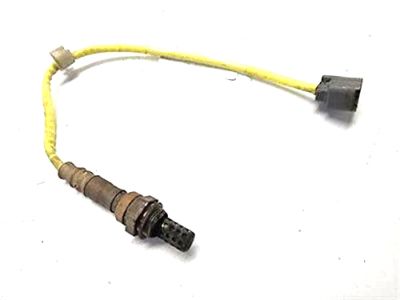
Acura TL Rear Oxygen Sensor
Part Number: 36532-P8D-J01$161.55 MSRP: $228.18You Save: $66.63 (30%)Ships in 1-2 Business Days
Acura TL Oxygen Air Sensor
Part Number: 36531-R70-A02$190.10 MSRP: $271.50You Save: $81.40 (30%)Ships in 1-3 Business Days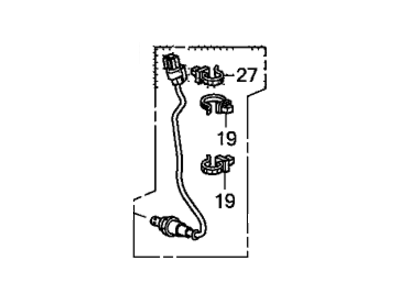
Acura TL Front Oxygen Sensor
Part Number: 36532-RYE-A11$142.99 MSRP: $201.97You Save: $58.98 (30%)Ships in 1-3 Business Days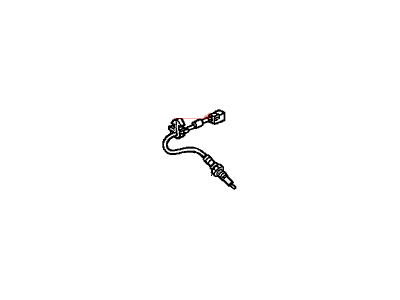
Acura TL Rear Oxygen Sensor
Part Number: 36532-P8C-L21$217.66 MSRP: $310.85You Save: $93.19 (30%)Ships in 1-3 Business DaysAcura TL Rear Laf Sensor
Part Number: 36541-R70-A01$185.10 MSRP: $264.35You Save: $79.25 (30%)Ships in 1-3 Business Days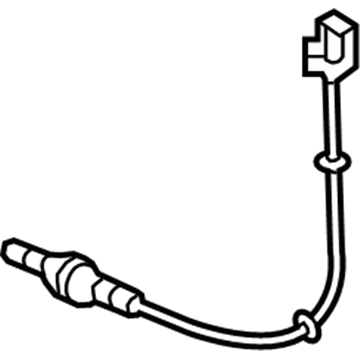
Acura TL Front Lower Oxygen Sensor
Part Number: 36532-RK2-A01$142.99 MSRP: $201.97You Save: $58.98 (30%)Ships in 1-3 Business Days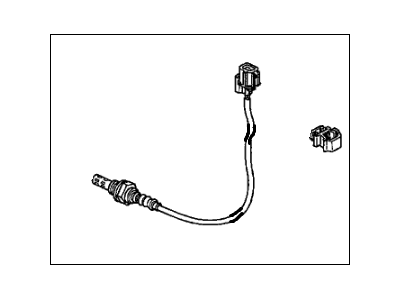
Acura TL Secondary Oxygen Sensor
Part Number: 36532-RCA-A51$103.49 MSRP: $145.18You Save: $41.69 (29%)Ships in 1-3 Business Days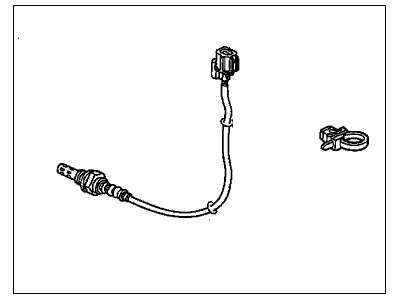
Acura TL Rear Secondary Oxygen Sensor
Part Number: 36542-RKB-004$197.77 MSRP: $282.45You Save: $84.68 (30%)Ships in 1-3 Business Days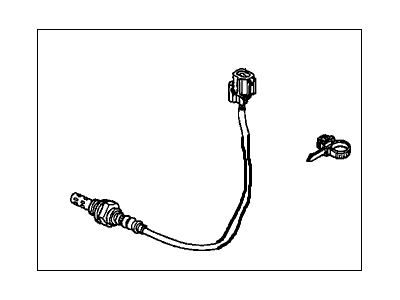
Acura TL Front Oxygen Sensor
Part Number: 36532-RKB-004$142.99 MSRP: $201.97You Save: $58.98 (30%)Ships in 1-3 Business Days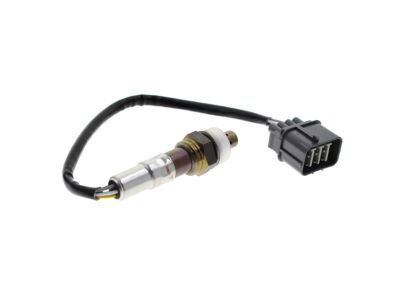
| Page 1 of 2 |Next >
1-20 of 28 Results
Acura TL Oxygen Sensor
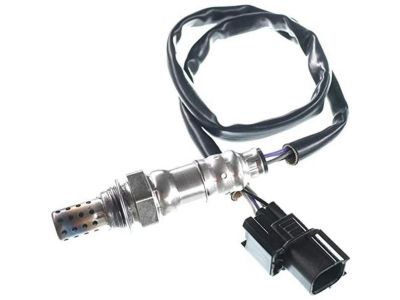
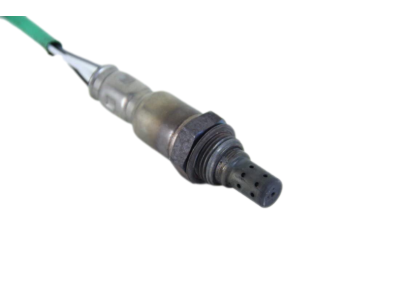
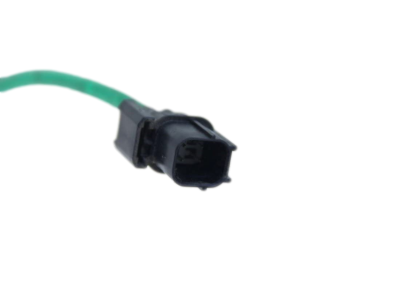
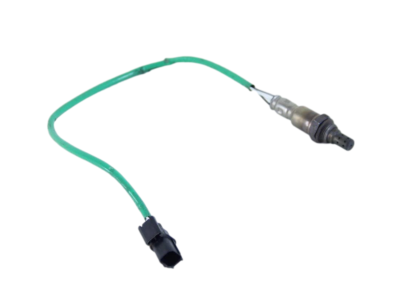
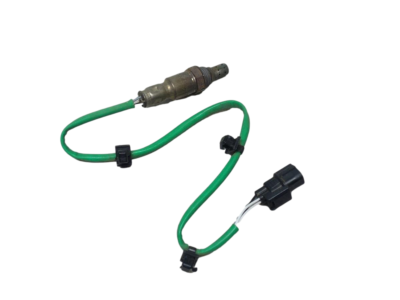
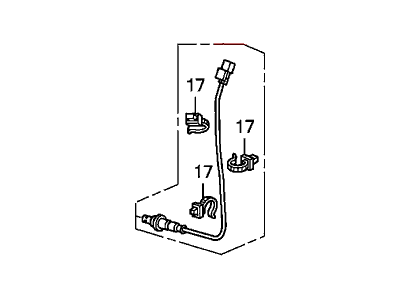
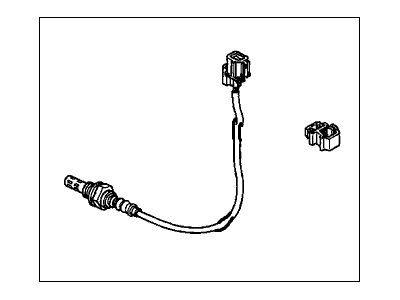
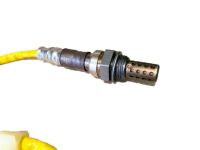
The Acura TL Oxygen Sensor constantly monitors the amount of leftover oxygen in the exhaust to allow the engine computer to fine-tune fuel delivery for clean performance. By using a zirconium dioxide element coated with platinum and heated to about 600°F, the Oxygen Sensor produces a voltage varying from 0.1 to 0.9 volts, which indicates lean or rich mixtures and permits closed loop application, which maintains the efficiency of the catalytic converter. Every Acura TL is equipped with at least two sensors, one upstream of the converter to help adjust the mixture and one downstream of the converter to verify the converter's efficiency. V6 models are equipped with four to cover each bank. A properly functioning Oxygen Sensor allows an Acura TL to switch its injector pulse width several times each second, a rapid cycling process that maintains the power to fire strong and also meets tough emission rules imposed on passenger cars. When the Oxygen Sensor is sluggish due to carbon, coolant, or oil contaminants, the slow feedback makes the computer run richer, which increases the use of fuel and emissions and turns on the check engine lamp. Later generations of the Acura TL were fitted with a wideband air fuel ratio style Oxygen Sensor, which can measure mixtures over a broader range and is able to monitor current, as opposed to voltage, providing faster and more precise control than the prior narrow band design.
We provide a broad range of OEM Acura TL Oxygen Sensor at unbeatable prices on our website. For your OEM parts, You can count on the guaranteed quality, manufacturer's warranty, outstanding customer service, and prompt delivery. We look forward to your visit.
Acura TL Oxygen Sensor Parts Questions & Experts Answers
- Q:What should be noted when servicing an Oxygen Sensor on an Acura TL?Posted by Sikandar H.A:When servicing an oxygen sensor, it is important to note that due to its installation in the exhaust manifold or pipe, it may be difficult to loosen when the engine is cold; therefore, starting and running the engine briefly can help. Care should be taken to avoid damaging the permanently attached pigtail and electrical connector, as any damage will render the sensor useless. Keep contaminants away from the electrical connector and the louvered end, and do not use cleaning solvents on the sensor, which is delicate and should not be dropped or handled roughly. Ensure the silicone boot is correctly positioned to prevent melting. For replacement, raise the vehicle securely on jackstands. In 2003 and earlier models, the upstream sensor is located behind the exhaust pipe "Y" junction and ahead of the Catalytic Converter, while the downstream sensor is screwed into the catalyst. Disconnect the electrical connector for the upstream sensor, remove it using a wrench, and apply anti-seize compound if reinstalling the old sensor; new sensors do not require this. The installation follows the reverse order, ensuring proper torque. For 2004 and later models, the upstream sensors are at the cylinder heads above the warm-up catalysts. After removing the engine cover, disconnect the electrical connector, use an oxygen sensor socket for removal, and apply anti-seize compound if reinstalling the old sensor. The installation is again the reverse of removal. For downstream sensors in these models, raise the vehicle, remove the engine under cover, locate and disconnect the electrical connector, and follow the same procedures for removal and installation, ensuring proper torque.Answered by Acura Parts Specialist Andrew / Jun 29, 2024
Related Acura TL Parts
 Acura TL Catalytic Converter
 Acura TL Engine Control Module
 Acura TL Knock Sensor
 Acura TL Ambient Temperature Sensor
 Acura TL Canister Purge Valve
 Acura TL Vapor Canister
 Acura TL Vapor Pressure Sensor
Browse by Year
2014 Oxygen Sensor 2013 Oxygen Sensor 2012 Oxygen Sensor 2011 Oxygen Sensor 2010 Oxygen Sensor 2009 Oxygen Sensor 2008 Oxygen Sensor 2007 Oxygen Sensor 2006 Oxygen Sensor 2005 Oxygen Sensor 2004 Oxygen Sensor 2003 Oxygen Sensor 2002 Oxygen Sensor 2001 Oxygen Sensor 2000 Oxygen Sensor 1999 Oxygen Sensor 1998 Oxygen Sensor 1997 Oxygen Sensor 1996 Oxygen Sensor 1995 Oxygen Sensor