×
- Hello
- Login or Register
- Quick Links
- Live Chat
- Track Order
- Parts Availability
- RMA
- Help Center
- Contact Us
- Shop for
- Acura Parts
- Acura Accessories

My Garage
My Account
Cart
Genuine Acura TL Thermostat
Engine Coolant Thermostat- Select Vehicle by Model
- Select Vehicle by VIN
Select Vehicle by Model
orMake
Model
Year
Select Vehicle by VIN
For the most accurate results, select vehicle by your VIN (Vehicle Identification Number).
3 Thermostats found
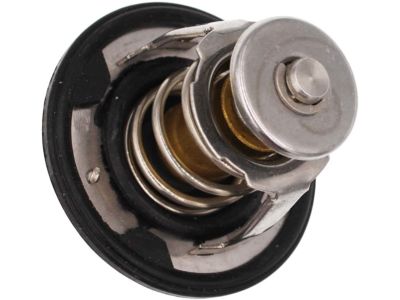
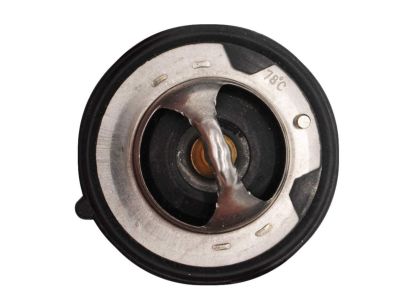
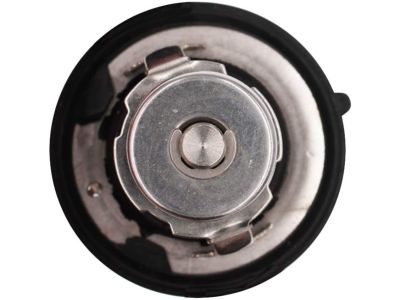
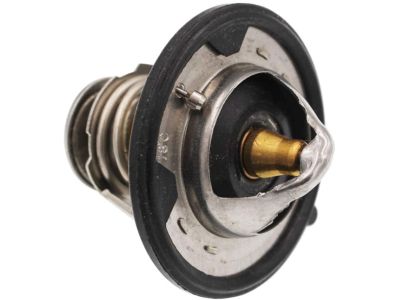
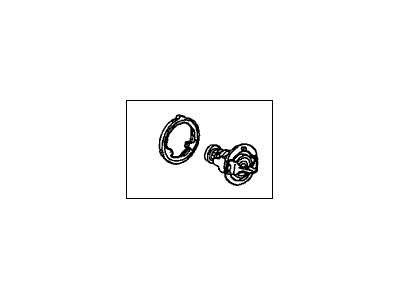
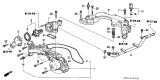
Acura TL Thermostat Assembly (Nippon Thermostat)
Part Number: 19301-P8E-A10$75.06 MSRP: $107.20You Save: $32.14 (30%)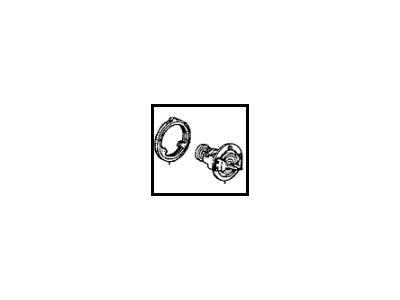
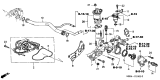
Acura TL Thermostat Assembly
Part Number: 19301-P8F-A11$65.46 MSRP: $91.30You Save: $25.84 (29%)Ships in 1-3 Business Days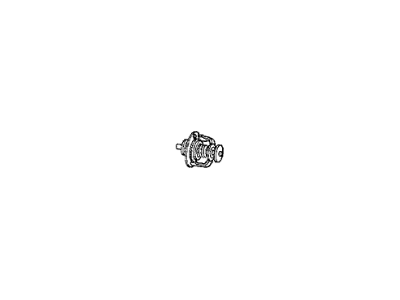
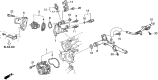
Acura TL Thermostat
The Thermostat is one of the essential components of Acura TL cars' functionality because it manages the temperature of the engine. Usually installated near the radiator the Thermostat plays a crucial role in maintaining the preferred temperature slot. There is Thermostat type that ranges from Analog type, Digital non programmable, Digital programmable and Communicating type. Such devices regulate heating or cooling systems to maintain the required temperature for a particular environment, and the first inventions trace back to the environments around 1620. In the context of Acura TL automobiles, the Thermostat plays the critical role as one of the components within the cooling system that contributes to effective functioning of the car.
We provide a broad range of OEM Acura TL Thermostat at unbeatable prices on our website. For your OEM parts, You can count on the guaranteed quality, manufacturer's warranty, outstanding customer service, and prompt delivery. We look forward to your visit.
Acura TL Thermostat Parts Questions & Experts Answers
- Q:How to check and replace the Thermostat on an Acura TL?Posted by Shkumbin K.A:To address cooling system issues, first check the coolant level, drivebelt, tensioner condition, and temperature gauge operation. If the engine takes too long to warm up, indicating a stuck-open thermostat, replace it with a new one. In cases of engine overheating, assess the lower radiator hose temperature; if the hose isn't hot while the engine is, the thermostat might be stuck closed. Avoid driving without a thermostat to prevent negative effects on emissions and fuel economy due to the computer staying in open loop mode. If the lower radiator hose is hot, indicating proper coolant flow, consult the troubleshooting guide for cooling system diagnosis. To replace the thermostat, remove the battery and drain the cooling system, potentially saving and reusing the coolant if it's in good condition. Depending on the model year, disconnect the electrical connector or ground wires from the thermostat housing. Unscrew the thermostat housing cover bolts, tap the cover if stuck, and note the thermostat's orientation before removing it. Clean the housing surfaces, install a new seal aligned with the jiggle valve, and position the new thermostat in the housing without sealant, ensuring proper alignment.Answered by Acura Parts Specialist Roberto / Oct 27, 2025
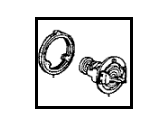
Related Acura TL Parts
 Acura TL Water Pump
 Acura TL Radiator
 Acura TL Radiator Hose
 Acura TL Fan Motor
 Acura TL Cooling Hose
 Acura TL Thermostat Housing
 Acura TL Thermostat Gasket
 Acura TL Coolant Reservoir
 Acura TL Fan Shroud
 Acura TL Water Pump Gasket
 Acura TL Fan Blade
 Acura TL Radiator Support
Browse by Year
2014 Thermostat 2013 Thermostat 2012 Thermostat 2011 Thermostat 2010 Thermostat 2009 Thermostat 2008 Thermostat 2007 Thermostat 2006 Thermostat 2005 Thermostat 2004 Thermostat 2003 Thermostat 2002 Thermostat 2001 Thermostat 2000 Thermostat 1999 Thermostat 1998 Thermostat 1997 Thermostat 1996 Thermostat 1995 Thermostat