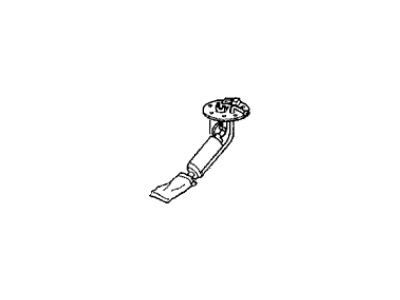
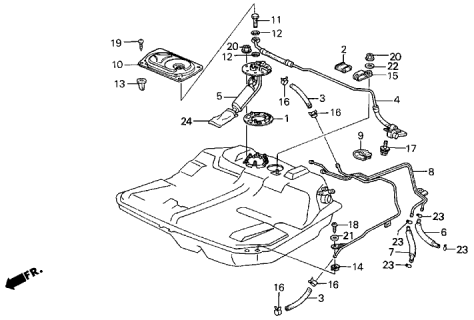
To check for limited fuel supply start by examining all fuel lines to rule out line leaks. Turn on the ignition with the parking brake set and an assistant present to check the fuel pump sound during the operation on Legend models. A quick whirring noise needs to occur briefly before it intensifies when the engine starts. The deficiency of the whirring sound indicates that a wiring issue exists in either the fuel pump circuit or the fuel main relay circuit. Relieving fuel pressure requires the service bolt on top of the fuel filter while installing a special adapter onto your fuel pressure gauge. Start the engine then disconnect the vacuum hose from the pressure regulator before you check the fuel pressure measurement. The fuel pressure needs evaluation to verify a working fuel regulator while identifying blockages or pinches in return fuel lines if pressure exceeds specifications. To check low fuel pressure examine the fuel filter followed by inspecting for pinched or clogged fuel hoses and analyzing the pressure regulator for faults and searching for fuel line leaks. Proceed to examine the fuel pump when no issues exist with the other components. If you hear brief whirring noise when an assistant turns the ignition switch to On position, it confirms the pump is working correctly. Examine the fuel pump connector that sits above the fuel tank in the luggage area before checking with a voltmeter by touching the positive probe to the black/yellow wire then the negative probe to the black wire while enabling the ignition switch to verify voltage availability. Check the main relay first while inspecting the fuel pump only when voltage is detected. Check the main relay by extracting it from the under-dash fuse panel area. Add battery voltage power to terminal no. 4 while applying ground to no. 8 terminal to test for continuous electricity flow between no. 5 and no. 7 terminals. The relay should be replaced when continuity is absent. The tester should verify that the no. 1 connects with no. 3 when grounding no. 2 while applying battery voltage to no. 5; if there is no connection, the user must replace the relay. At the end connect battery voltage to the no. 3 relay terminal following the ground of no. 8 terminal before checking for continuity between no. 5 and no. 7 terminals; if there is no continuity the relay needs replacement.