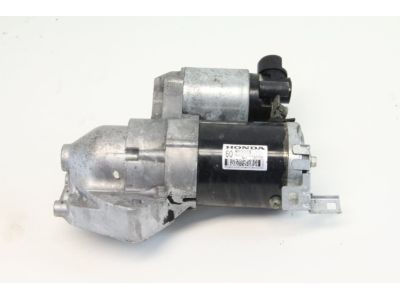
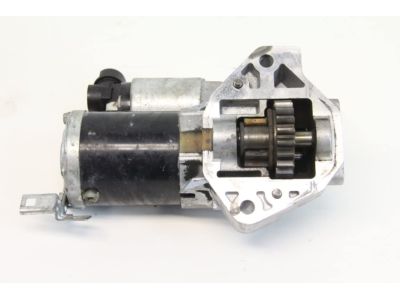
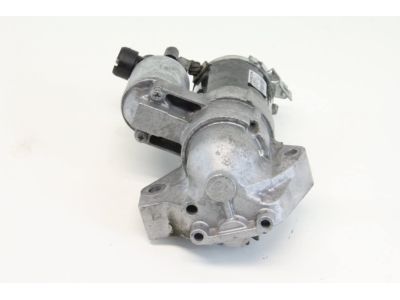
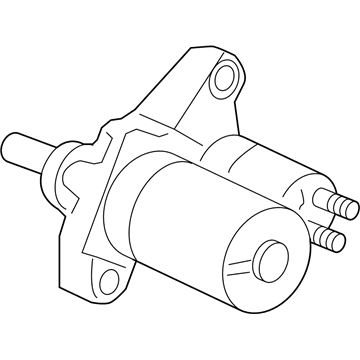
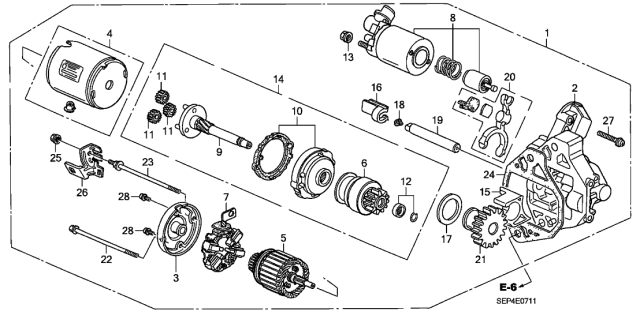
Don't be quick to blame the starter when starting circuit malfunctions occur. Start by checking a few things: please ensure that your battery cable clamps are clean as well as tight, examine battery cables for damage and replace any defective ones, test the battery to see if it is in good condition and replace if it fails the tests, look at the wiring and connections of the starter solenoid, confirm that starter mounting bolts are tight enough , check fuses in the engine compartment fuse and relay box as well as inspecting it itself, consider gear position switch (for automatic transaxles) or clutch start circuit (for manual transaxles) for proper positioning. Also make sure you check that under dash on driver's side there is a starter cut relay. If turning ignition switch to start does not activate the starter motor then check for battery voltage to the solenoid; this will determine if it has received correct signal from ignition switch. Connect voltmeter to terminal on starter solenoid; note reading with ignition switched off then turn key until it starts cranking; voltage should match battery voltage. Check starting system fuses and also starting cut-off relay if less than 12 volts exist here. If there is power but no action from the starter motor dismount and bench-test it itself (starter). Should slowly crank monitor cranking voltage while measuring current draw using an ammeter with starters still on engine; anything below 8.5 volts indicates either low battery power or excessive electrical resistance in cables whose maximum must not surpass 380 amps before considering replacing this component only when these readings are exceeded entirely. Assure yourself of a fully charged/maintained car battery having right cold cranking rating while considering cleanliness of its terminals/cables plus other factors like warming up your engine/battery pack in case temperature drops too low before conducting related tests/inspections accordingly so you do not get into problems with your vehicle. Think of removing the starter/solenoid assembly, if there is voltage present at the starter but it doesn't energize. Then attach jumper cables to this device and apply current from battery onto its terminal; after that just hear how solenoid sounds like at that time when we power it up by rotation of its knob slightly inside. If the solenoid stick slides out smoothly, and then rotate gear towards flywheel (pinion drive) while doing so, then it suggests that your equipment has worked well otherwise you need to think about reasons for such breakdowns being a failure in itself.