×
- Hello
- Login or Register
- Quick Links
- Live Chat
- Track Order
- Parts Availability
- RMA
- Help Center
- Contact Us
- Shop for
- Acura Parts
- Acura Accessories

My Garage
My Account
Cart
Genuine Acura Starter Motor
Starter Ignition- Select Vehicle by Model
- Select Vehicle by VIN
Select Vehicle by Model
orMake
Model
Year
Select Vehicle by VIN
For the most accurate results, select vehicle by your VIN (Vehicle Identification Number).
119 Starter motors found
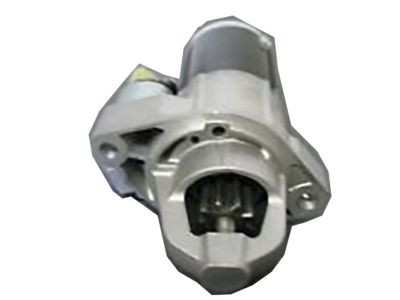
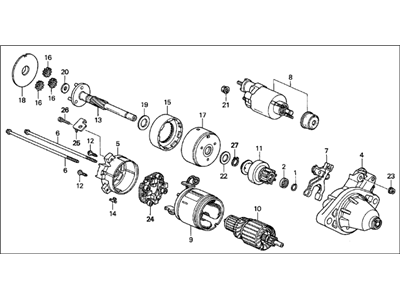
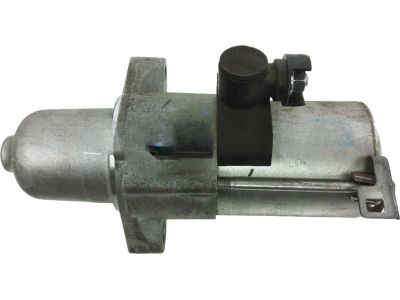
Acura Starter Motor Assembly (Remanufactured)
Part Number: 06312-PRB-505RM$296.23 MSRP: $420.82You Save: $124.59 (30%)Ships in 1-3 Business DaysProduct Specifications- Other Name: Starter Motor Assembly (Reman); Starter
- Replaces: 31200-PRB-A11RM, 31200-PRB-A01RM
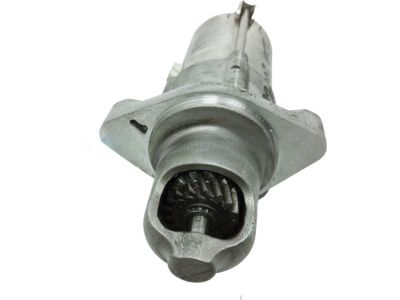
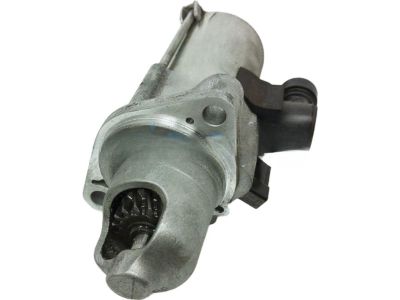
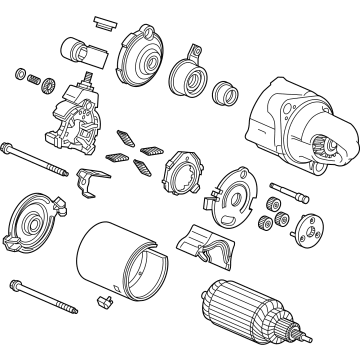
Acura Starter Motor Assembly
Part Number: 31200-5YF-A01$558.15 MSRP: $797.13You Save: $238.98 (30%)Ships in 1-3 Business DaysProduct Specifications- Other Name: Starter
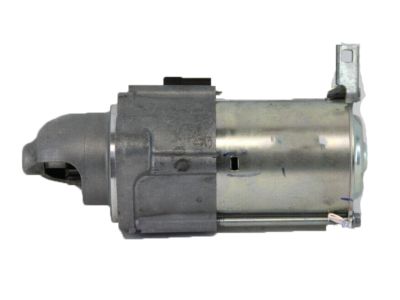
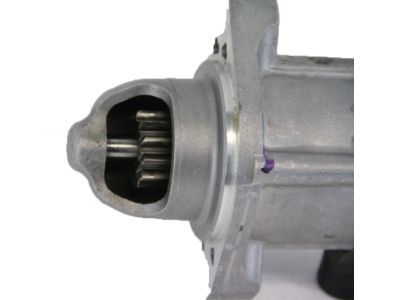
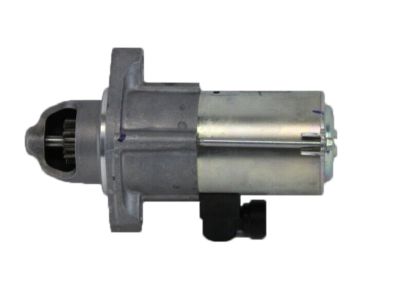
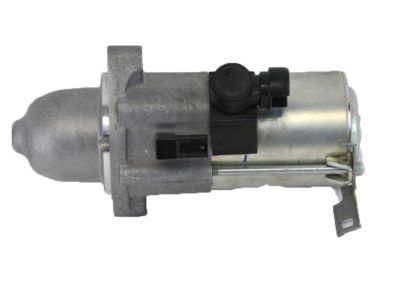
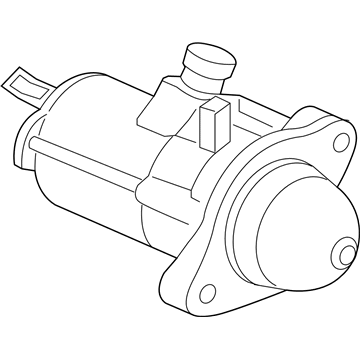
Acura Starter Motor Assembly (Sm-74025) (Mitsuba)
Part Number: 31200-R4H-A02$573.77 MSRP: $819.43You Save: $245.66 (30%)Ships in 1 Business DayProduct Specifications- Other Name: Starter
- Replaces: 31200-R4H-A01
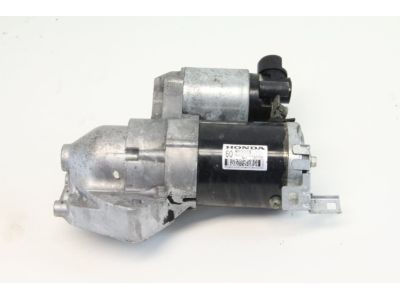
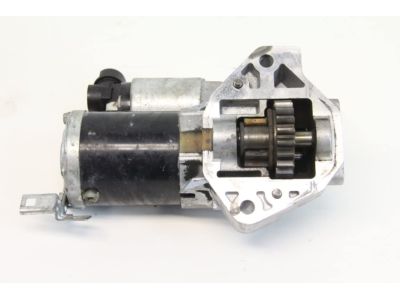
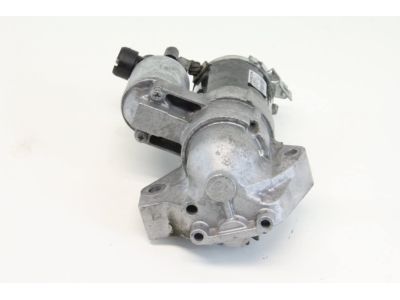
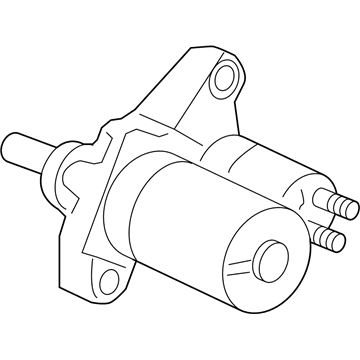
Acura Starter Motor Assembly (Mhg028) (Mitsubishi)
Part Number: 31200-RDA-A01$586.20 MSRP: $837.18You Save: $250.98 (30%)Ships in 1 Business DayProduct Specifications- Other Name: Starter
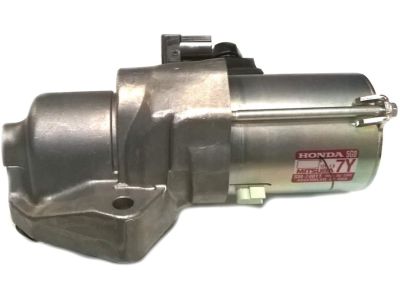
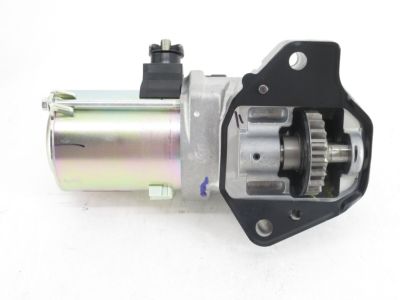
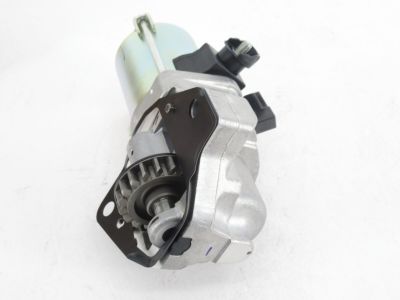
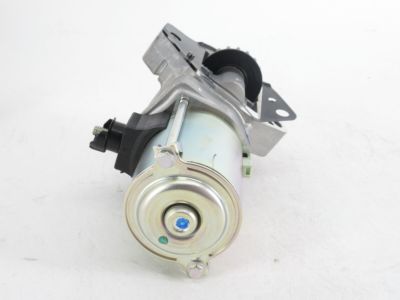
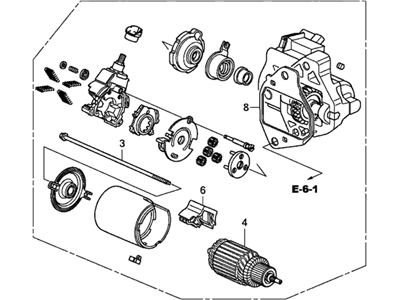
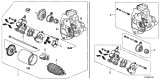
Acura Starter Motor Assembly
Part Number: 31200-5G0-A04$539.68 MSRP: $770.75You Save: $231.07 (30%)Ships in 1-3 Business DaysProduct Specifications- Other Name: Starter
- Replaces: 31200-5G0-A03, 31200-5G0-A02
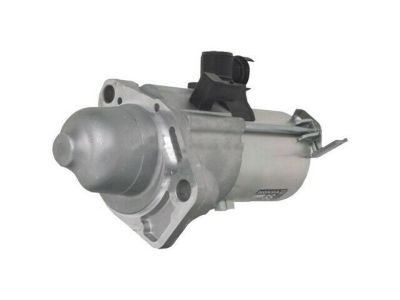
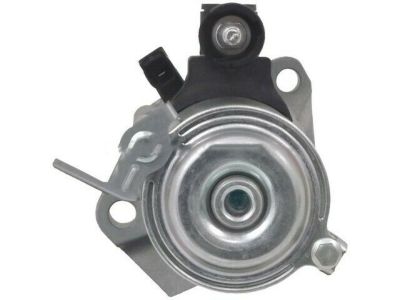
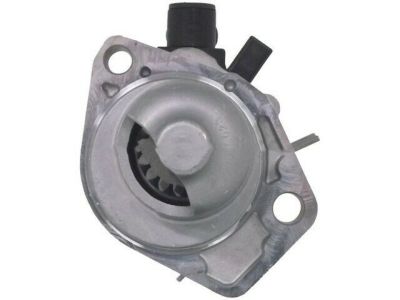
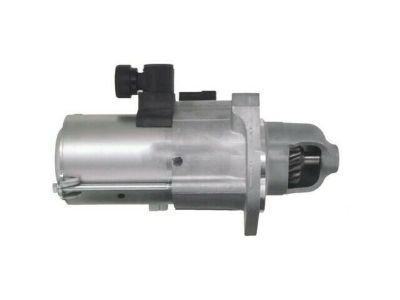
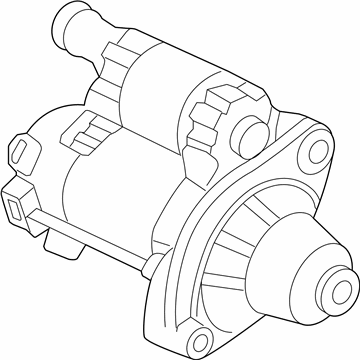
Acura Starter Motor Assembly (Sm-74023) (Mitsuba)
Part Number: 31200-RDF-A02$1311.49 MSRP: $1873.02You Save: $561.53 (30%)Ships in 1-3 Business DaysProduct Specifications- Other Name: Starter
- Replaces: 31200-RDF-A01
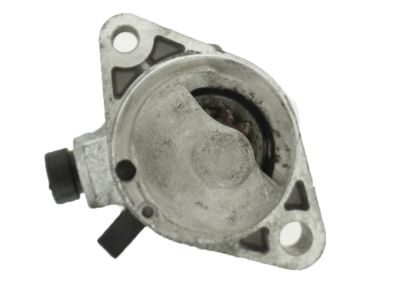
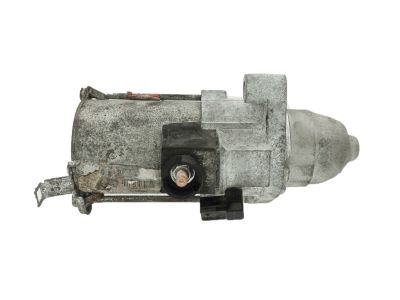
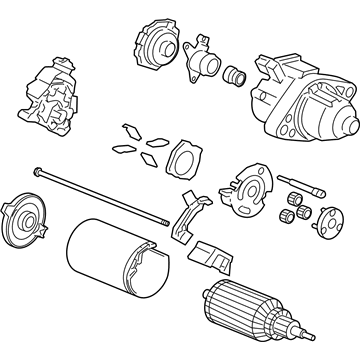
Acura Starter Motor Assembly
Part Number: 31200-RWC-305$532.83 MSRP: $760.97You Save: $228.14 (30%)Ships in 1-2 Business DaysProduct Specifications- Other Name: Motor Assembly,Start; Starter
- Replaces: 31200-RWC-A01
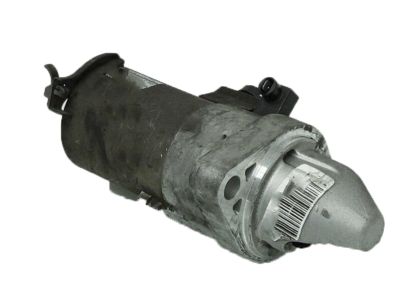
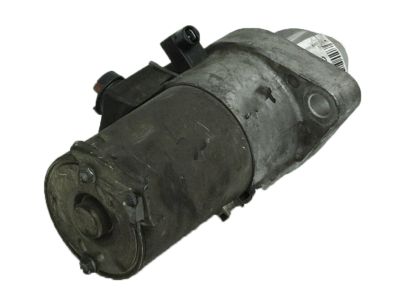
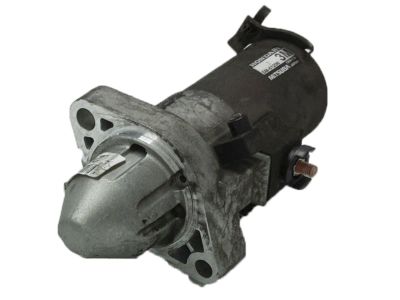
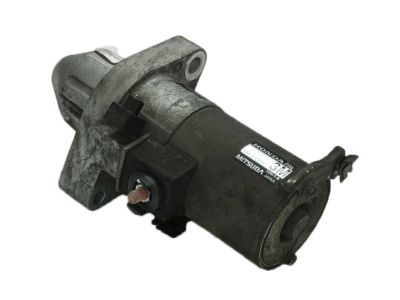
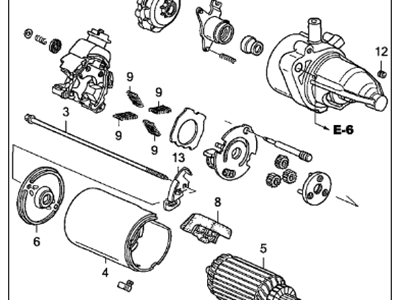
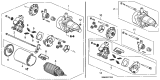
Acura Rm Starter
Part Number: 31200-PND-A04RM$367.70 MSRP: $522.88You Save: $155.18 (30%)Ships in 1-3 Business DaysProduct Specifications- Other Name: Starter, Rm
- Replaces: 06312-PND-505RM
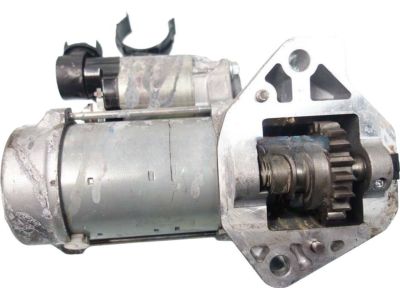
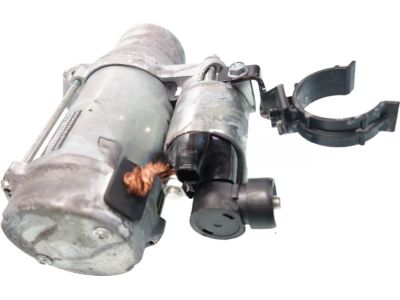
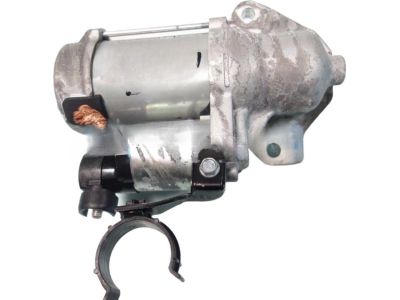
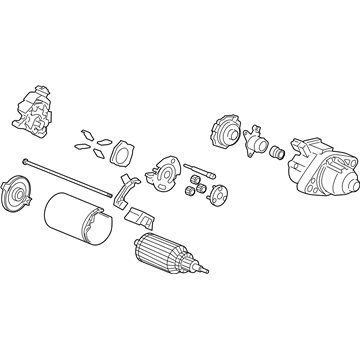
Acura Starter Motor Assembly (Dv4Db) (Denso)
Part Number: 31200-R8A-A01$531.87 MSRP: $759.60You Save: $227.73 (30%)Ships in 1-3 Business DaysProduct Specifications- Other Name: Starter
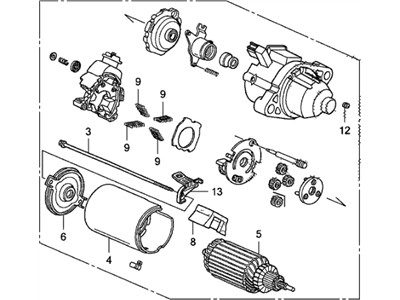
Acura Starter Motor Assembly (Sm-73002) (Mitsuba)
Part Number: 31200-R40-A01$544.39 MSRP: $777.48You Save: $233.09 (30%)Ships in 1-3 Business DaysProduct Specifications- Other Name: Starter
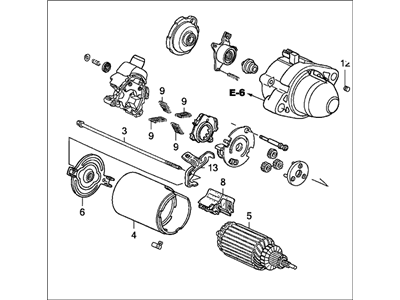
Acura Starter Motor Assembly (Sm-71005) (Mitsuba)
Part Number: 31200-RAA-A61$586.91 MSRP: $838.20You Save: $251.29 (30%)Ships in 1-3 Business DaysProduct Specifications- Other Name: Starter
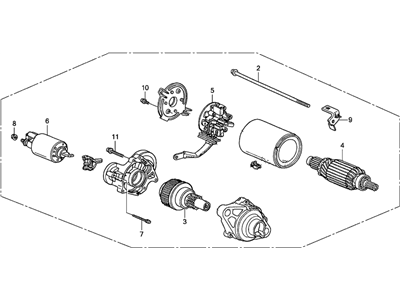
Acura Starter Motor Assembly (Sm-44246) (Mitsuba)
Part Number: 31200-RDB-A01$428.34 MSRP: $611.73You Save: $183.39 (30%)Ships in 1-3 Business DaysProduct Specifications- Other Name: Starter
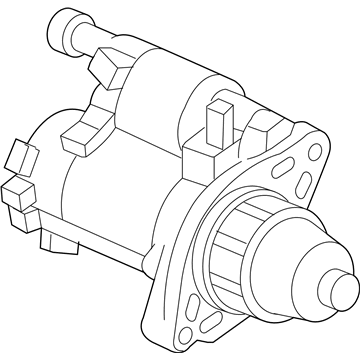
Acura Starter Motor Assembly
Part Number: 31200-5J2-A52$1069.74 MSRP: $1527.76You Save: $458.02 (30%)Ships in 1-3 Business DaysProduct Specifications- Replaces: 31200-5J2-A51
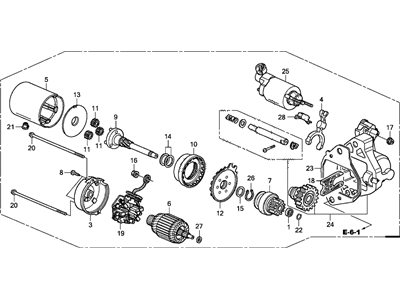
Acura Starter Motor Assembly (Du4V3) (Denso)
Part Number: 31200-R70-A51$543.96 MSRP: $776.87You Save: $232.91 (30%)Ships in 1-3 Business DaysProduct Specifications- Other Name: Starter
- Replaces: 31200-RN0-A01
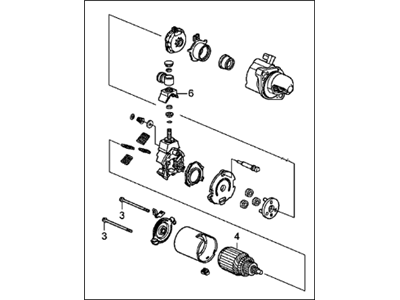
Acura Core Id Starter (Sm-74023)
Part Number: 31200-RDF-A02RM$310.63 MSRP: $441.38You Save: $130.75 (30%)Ships in 1-3 Business DaysProduct Specifications- Other Name: Starter, Core Id (Sm-74023)
- Replaces: 06312-RDF-505RM
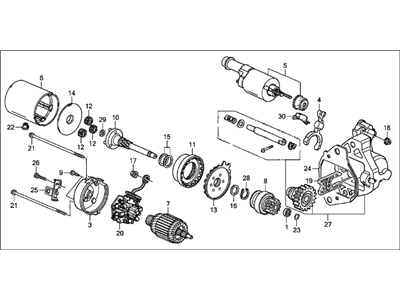
Acura Core Id Starter (428000-4120) (9742809-412) (Reman) (Denso)
Part Number: 06312-RYE-505RM$340.50 MSRP: $484.03You Save: $143.53 (30%)Ships in 1-3 Business DaysProduct Specifications- Other Name: Starter, Core Id (428000-4120) (9742809-412) (Reman) (Denso)
- Replaces: 31200-RYE-A01RM
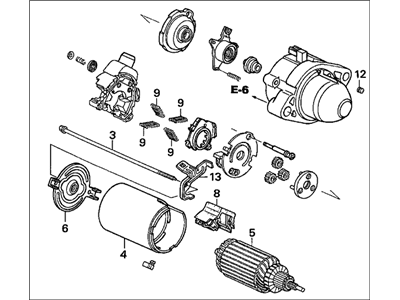
Acura Starter (Sm-71005)
Part Number: 06312-RAA-507RM$387.90 MSRP: $551.73You Save: $163.83 (30%)Ships in 1-3 Business DaysProduct Specifications- Replaces: 31200-RAA-A61RM
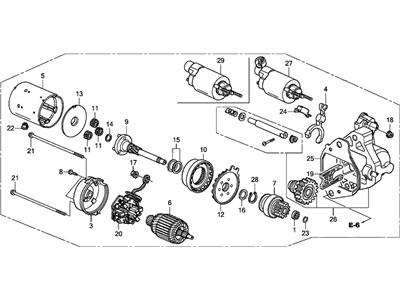
Acura Starter Motor Assembly (Dudv1) (Denso)
Part Number: 31200-RK2-A01$493.65 MSRP: $705.02You Save: $211.37 (30%)Ships in 1-3 Business DaysProduct Specifications- Other Name: Starter
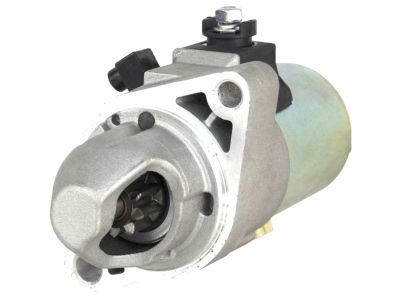
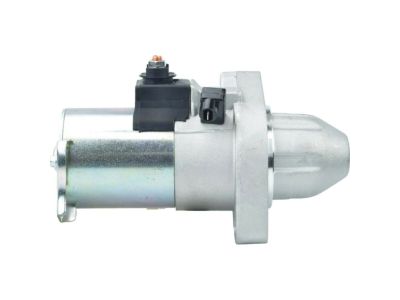
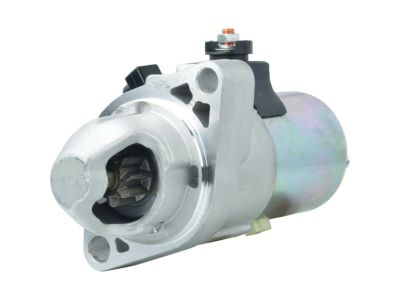
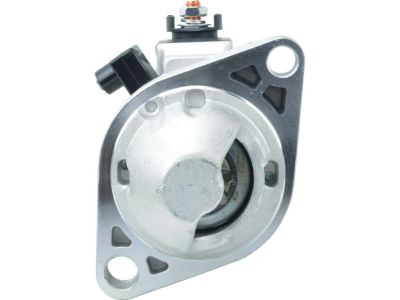
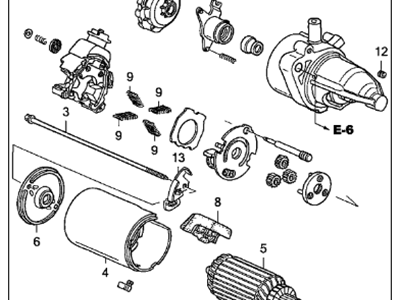 Product Specifications
- Other Name: Motor Assembly,Starte; Starter
- Replaces: 31200-PND-A02, 31200-PND-A03, 31200-PND-A01, 31200-PND-505
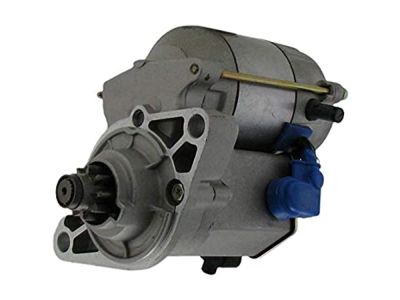
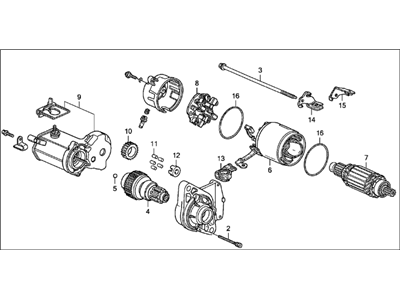
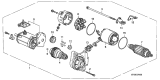 Product Specifications
- Other Name: Starter (Reman); Starter
- Replaces: 31200-P75-901RM
| Page 1 of 6 |Next >
1-20 of 119 Results
About Acura Starter Motor
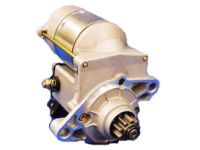
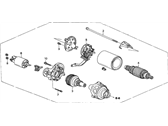
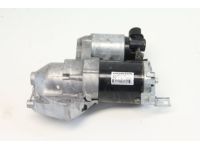
Acura starter motor work by converting the electricity to mechanical energy and they work in two stages. You can find the Cheap Parts for a specific model, trim and year in the traditional way or through advance use of internet. Eventually, your Engine Parts would wear out and die down. In turning the ignition switch on, a small amount of power from the battery is released, which goes to the solenoid above the Acura starter motor.
Acura Starter Motor Parts Questions & Experts Answers
- Q: How to diagnose and troubleshoot a malfunction in the Starter Motor and starting circuit on an Acura Integra?A:Do not assume immediately that the trouble is the starter when a malfunction occurs in the starting circuit. Inspect the condition of the battery cables-and replace any defective ones-then check that the battery cable clamps are clean and tight. Any battery should be tested for condition it replaces when it fails. The cause of your problem will be to examine the starter solenoid wiring and connections, and check the starter mounting bolts and the fusible links coming out of the engine compartment for burns, repair the circuit. Check the gear position switch or clutch start circuit systems, and verify the ignition switch circuit is working correctly. If the ignition switch is cranked and the starter does not actuate, then check for battery voltage on the solenoid to ensure it is getting the proper voltage signal that is needed. However, if voltage is present yet the starter motor does not move remove the starter motor and perform a bench test. Connect a voltmeter and an inductive pick up ammeter to the battery to see if the cranking voltage and current draw are as they should be; if the starter turns over slowly and the battery is in good condition and the terminals are clean. If voltage reaches the starter and it does not come on, test the starter/solenoid assembly on the bench, as it is possible that the solenoid is bad. Testing the solenoid is easy when the assembly is mounted in a vise, connect jumper cables and see if the pinion drive extends but does not turn, then the starter motor is bad, or if the pinion drive does not move with a clicking sound then the problem is with the solenoid or starter motor. Assuming the solenoid plunger extends and rotates the pinion drive, the assembly is good.
- Q: How to Check the Starter Motor on the Acura MDX?A:Avoid blaming the starter right away when you face a starting circuit problem. Diagnose battery cable clamps, cables, and condition of the battery. You should inspect the starter solenoid, starter mounting bolts, fuse box, ignition switch circuit, gear position switch or clutch start circuit, and starter cut relay. If the starter doesn't activate, you should test the fusing of the starting system and battery voltage at solenoid. In case of slow turnover by the crankshaft by the starter, you may want to test its turning voltage and current draw. When the starter receives power but fails to engage remove and examine the starter/solenoid assembly.
- Q: What Steps Should You Take When Encountering a Malfunction in the Starter Motor and Starting Circuit on an Acura TL?A:Don't be quick to blame the starter when starting circuit malfunctions occur. Start by checking a few things: please ensure that your battery cable clamps are clean as well as tight, examine battery cables for damage and replace any defective ones, test the battery to see if it is in good condition and replace if it fails the tests, look at the wiring and connections of the starter solenoid, confirm that starter mounting bolts are tight enough , check fuses in the engine compartment fuse and relay box as well as inspecting it itself, consider gear position switch (for automatic transaxles) or clutch start circuit (for manual transaxles) for proper positioning. Also make sure you check that under dash on driver's side there is a starter cut relay. If turning ignition switch to start does not activate the starter motor then check for battery voltage to the solenoid; this will determine if it has received correct signal from ignition switch. Connect voltmeter to terminal on starter solenoid; note reading with ignition switched off then turn key until it starts cranking; voltage should match battery voltage. Check starting system fuses and also starting cut-off relay if less than 12 volts exist here. If there is power but no action from the starter motor dismount and bench-test it itself (starter). Should slowly crank monitor cranking voltage while measuring current draw using an ammeter with starters still on engine; anything below 8.5 volts indicates either low battery power or excessive electrical resistance in cables whose maximum must not surpass 380 amps before considering replacing this component only when these readings are exceeded entirely. Assure yourself of a fully charged/maintained car battery having right cold cranking rating while considering cleanliness of its terminals/cables plus other factors like warming up your engine/battery pack in case temperature drops too low before conducting related tests/inspections accordingly so you do not get into problems with your vehicle. Think of removing the starter/solenoid assembly, if there is voltage present at the starter but it doesn't energize. Then attach jumper cables to this device and apply current from battery onto its terminal; after that just hear how solenoid sounds like at that time when we power it up by rotation of its knob slightly inside. If the solenoid stick slides out smoothly, and then rotate gear towards flywheel (pinion drive) while doing so, then it suggests that your equipment has worked well otherwise you need to think about reasons for such breakdowns being a failure in itself.
Related Acura Parts
 Acura Alternator
 Acura Starter Solenoid
 Acura Alternator Pulley
 Acura Alternator Bearing
 Acura Alternator Brush
 Acura Alternator Case Kit
 Acura Armature
 Acura Starter Brush
 Acura Starter Drive
 Acura Starter Drive Gear
 Acura Starter Shaft
Browse by Model
CL Starter Motor ILX Hybrid Starter Motor ILX Starter Motor Integra Starter Motor Legend Starter Motor MDX Starter Motor NSX Starter Motor RDX Starter Motor RL Starter Motor RLX Starter Motor RSX Starter Motor SLX Starter Motor TL Starter Motor TLX Starter Motor TSX Starter Motor Vigor Starter Motor ZDX Starter Motor