×
- Hello
- Login or Register
- Quick Links
- Live Chat
- Track Order
- Parts Availability
- RMA
- Help Center
- Contact Us
- Shop for
- Acura Parts
- Acura Accessories

My Garage
My Account
Cart
Genuine Acura Integra Idle Control Valve
IACV- Select Vehicle by Model
- Select Vehicle by VIN
Select Vehicle by Model
orMake
Model
Year
Select Vehicle by VIN
For the most accurate results, select vehicle by your VIN (Vehicle Identification Number).
17 Idle Control Valves found
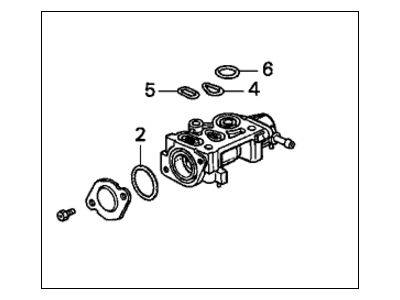
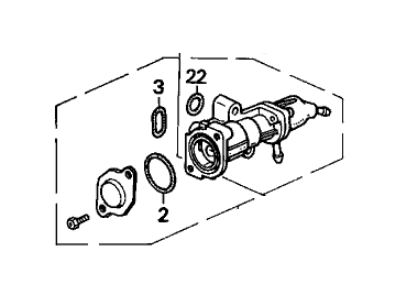
Acura Integra Fast Idle Valve Assembly (Af42D)
Part Number: 16500-P0A-A51$269.13 MSRP: $384.37You Save: $115.24 (30%)Ships in 1-2 Business Days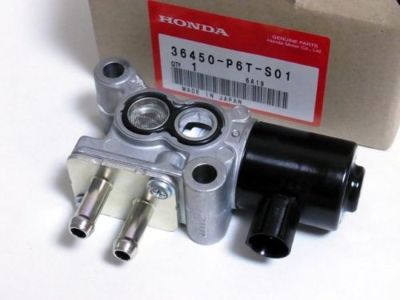
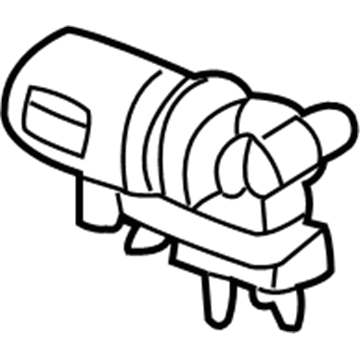
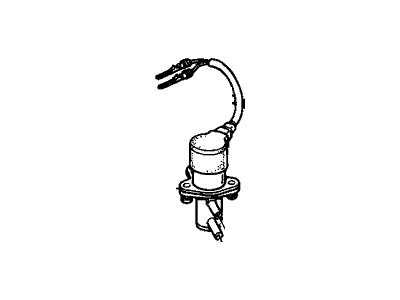
Acura Integra Fuel Injection Idle Air Control Valve
Part Number: 36450-P6T-S01$584.45 MSRP: $834.69You Save: $250.24 (30%)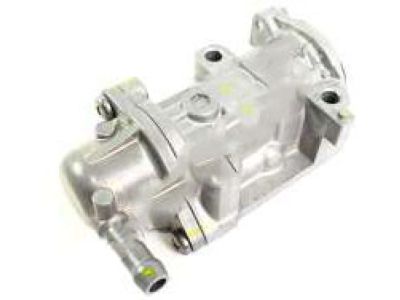
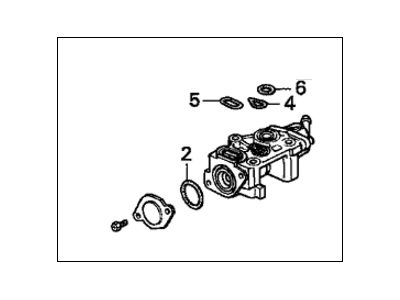
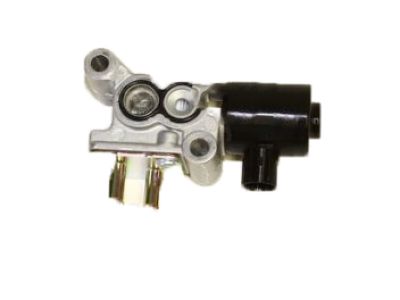
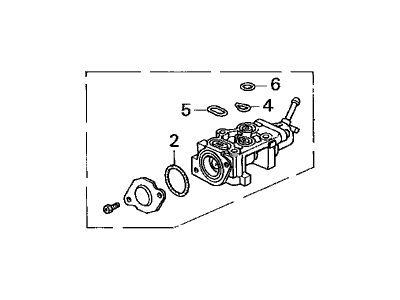
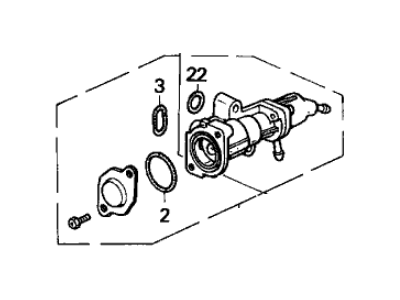
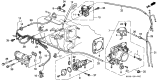
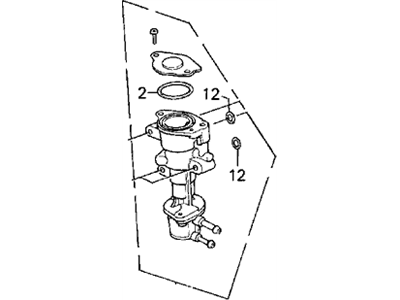
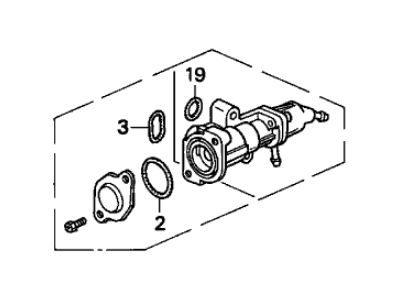
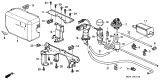
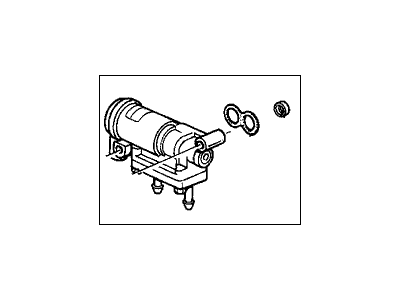
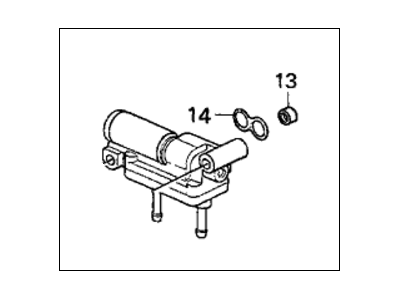
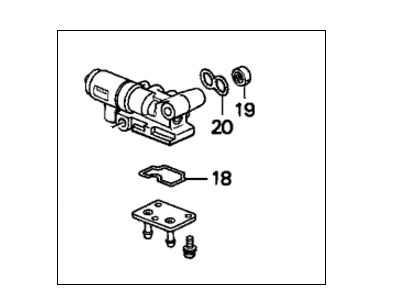
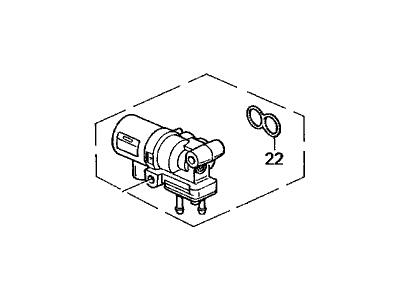
Acura Integra Idle Control Valve
The Acura Integra Idle Control Valve, also commonly referred to as the IAC, is an important part that speaks volumes about the reliability and performance of Acura vehicles in this series. Essentially, this electrically operated gadget cooperates with the engine control unit or ECU to control the speed that the engine should idle at in an attempt to prevent easy stall during changes in load. Similarly, the Acura Integra Idle Control Valve boasts durability and implements state-of-the-art technology with a linear servo motor coupled with a digital optical encoder for precise control of the airflow with the throttle body. Such details improve performance and safety, making the Acura Integra one of the favorites among auto lovers. The ability of the IAC to work with the first model released in the market through the 2023 version also shows the significance of the Acura Integra Idle Control Valve in enhancing engine performance. The Idle Control Valve needs to be maintained frequently because issues such as dirt build-up could lead to strange idle speeds, and the valve can usually be cleaned and made useful again. Therefore, it cannot simply be viewed from the perspective of performance; it is much more than that, as it denotes Acura's quality and innovation. Thus, the use of this Idle Control Valve also contributes to the general versatility and durability of the Acura Integra, making it one of the prominent models in the automotive market.
We provide a broad range of OEM Acura Integra Idle Control Valve at unbeatable prices on our website. For your OEM parts, You can count on the guaranteed quality, manufacturer's warranty, outstanding customer service, and prompt delivery. We look forward to your visit.
Acura Integra Idle Control Valve Parts Questions & Experts Answers
- Q:What is the Function and Testing Procedure for the Idle Control Valve on the Acura Integra?Posted by Maryann B.A:On Integra and CR-V models with automatic transaxle, a Fast Idle Thermo (FIT) valve is used to assist the engine in idle speed, when cold, by introducing more air into the engine intake manifold. When the engine reaches operating temperature, valve closes, idle speed returns to normal and it's mounted on the throttle body. The procedure begins with the intake duct off the throttle body disconnected, and no pressure applied to the throttle body. Place a finger over the port of the FIT valve, which is on the underside of the throttle body, secured by three bolts, and start the engine and run it until it idles. Suction should be felt. Make sure the engine is warmed up to normal operating temperature, and check the FIT valve port for suction again-there shouldn't be any. If suction is present it may be because the valve won't close (low coolant levels or air bubbles in the coolant passages) so check the engine coolant is full and clear of air bubbles. If the test results are wrong and the hose doesn't leak, disconnect the hose from the valve, unscrew the mounting bolts, remove the valve and any O-rings, then plug the hose to stop coolant loss. If the hose clamp has lost tension replace it and install the new valve with new O-rings. Tighten the mounting bolts to the specified torque. Then check the coolant level and, if required, add coolant.Answered by Acura Parts Specialist Dwight / Jul 02, 2026
Related Acura Integra Parts


Browse by Year
2001 Idle Control Valve 2000 Idle Control Valve 1999 Idle Control Valve 1998 Idle Control Valve 1997 Idle Control Valve 1996 Idle Control Valve 1995 Idle Control Valve 1994 Idle Control Valve 1993 Idle Control Valve 1992 Idle Control Valve 1991 Idle Control Valve 1990 Idle Control Valve 1989 Idle Control Valve 1988 Idle Control Valve 1987 Idle Control Valve 1986 Idle Control Valve