×
- Hello
- Login or Register
- Quick Links
- Live Chat
- Track Order
- Parts Availability
- RMA
- Help Center
- Contact Us
- Shop for
- Acura Parts
- Acura Accessories

My Garage
My Account
Cart
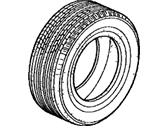
Genuine Acura Integra Tire
Spare Tire- Select Vehicle by Model
- Select Vehicle by VIN
Select Vehicle by Model
orMake
Model
Year
Select Vehicle by VIN
For the most accurate results, select vehicle by your VIN (Vehicle Identification Number).
5 Tires found

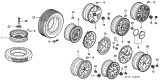



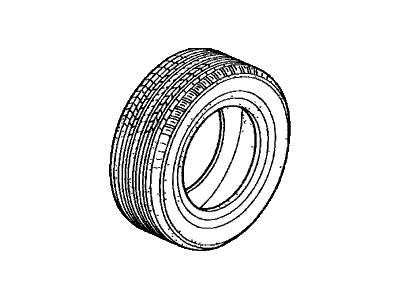
Acura Integra Tire
The Acura Integra Tire offers the performance that allows the sporty compact to stay glued to the road while confidently transferring weight from axle to pavement. The Tire construction is manufactured from either natural or synthetic rubber. Applied in the Tire are substances like fabric, wire, carbon black, and chemical compounds that help seal compressed air and soften the bumps. The outer tread makes contact with the asphalt, and its pattern and material determine how fast the car can launch, corner, and stop. Throughout the generations of classic Integra, drivers selected four main Tire styles that were designed for a specific purpose. There are all-season Tire types that balance dry, wet, and light winter duties, winter types that have deeper grooves and flexible rubber for ice and snow, performance versions that have firm sidewalls and sticky surfaces to match the lively Acura spirit, and all-terrain variants with extra bite to tackle the odd gravel excursion. Choosing the appropriate Tire for the weather, terrain, and driving mood makes every Integra responsive, safe, and ready for any possible trip, enhancing Acura's dynamic image.
We provide a broad range of OEM Acura Integra Tire at unbeatable prices on our website. For your OEM parts, You can count on the guaranteed quality, manufacturer's warranty, outstanding customer service, and prompt delivery. We look forward to your visit.
Acura Integra Tire Parts Questions & Experts Answers
- Q:Why is Tire Rotation and Brake Inspection Important on Acura Integra?Posted by Georgianna P.A:Anytime you realize that the tires are wearing unevenly, you should rotate them at the required intervals. The brakes must be checked since the car will be lifted and have its tires removed. Specific patterns of rotation apply to radial tires. However, there could still exist some with non-directional tread designs; hence restricting on tire replacement options based on a certain pattern of inflation. Look into the sidewalls while selecting new tires. In order for these tires to function effectively, they must turn in one direction exclusively as indicated by an arrow inscribed on their sidewalls; moreover, four such wheels comprise two leftward- side wheels plus two rightward-side wheels. Do not move the left ones to the right or vice versa under any circumstances! The parking brake should not be used when checking the brakes; just in case one needs to do this. Ensure that blocks are placed against your vehicle's reciprocal movement following blocking up of your tires carefully with heavy stones or log planks for example. Preferably, raise entire vehicle simultaneously irrespective of it being lifted by a hoist or individual corners jack-up and finally enabling its gradual descent onto jack stands which ought to go beneath frame rails of a machine like this one. Ensure that all four jack stands are used and that they offer adequate support for the car while resting upon them. After rotating your tires, don't forget to check and correct tire pressures whenever necessary; besides examining wheel nut tightnesses too! Ideally speaking, lug nuts are torqued to Specifications with a torque wrench and then rechecked after 25 miles of driving or so can sound better here!Answered by Acura Parts Specialist Roberto / Nov 19, 2025