×
- Hello
- Login or Register
- Quick Links
- Live Chat
- Track Order
- Parts Availability
- RMA
- Help Center
- Contact Us
- Shop for
- Acura Parts
- Acura Accessories

My Garage
My Account
Cart
Genuine Acura Tire
Spare Tire- Select Vehicle by Model
- Select Vehicle by VIN
Select Vehicle by Model
orMake
Model
Year
Select Vehicle by VIN
For the most accurate results, select vehicle by your VIN (Vehicle Identification Number).
126 Tires found
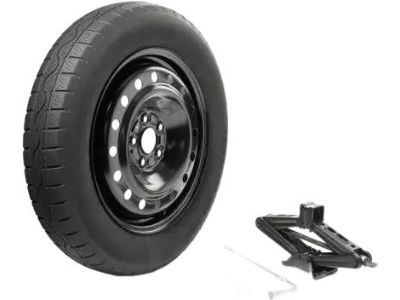
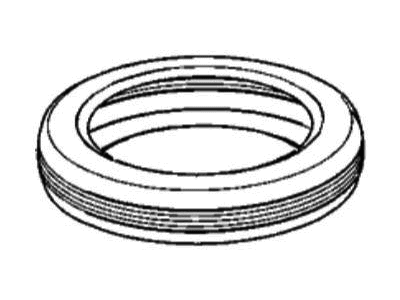
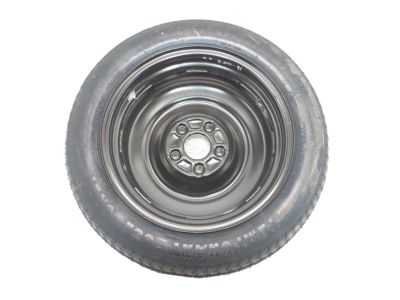
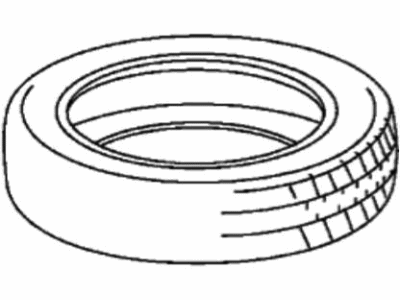
Acura 18" Tire for Temporary Wheel Kit
Part Number: 42751-GYR-059$197.93 MSRP: $198.18You Save: $0.25 (1%)Ships in 1-3 Business DaysProduct Specifications- Other Name: TIRE (T155/85D18)
- Replaces: 42751-TYA-A51, 42751-TYA-A52
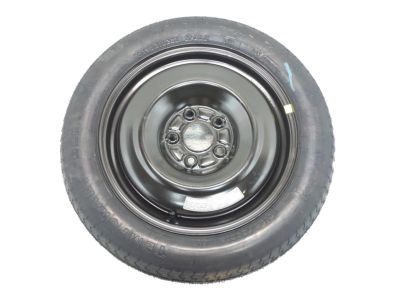
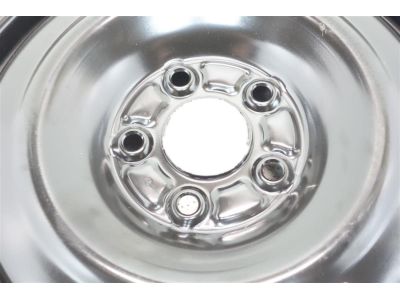
 Product Specifications
- Replaces: 42751-TA0-A61
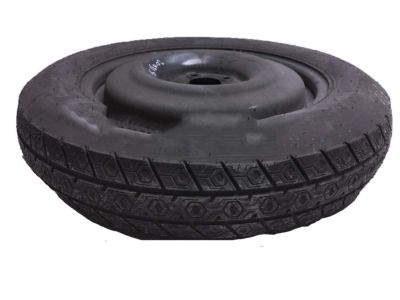
Acura Spare Tire (Goodyear)
Part Number: 42751-GYR-039$265.43 MSRP: $267.59You Save: $2.16 (1%)Ships in 1-3 Business DaysProduct Specifications- Other Name: Tire, Spare (Goodyear)
- Replaces: 42751-STK-A53, 42751-STK-A54, 42751-STK-A51, 42751-STK-A52
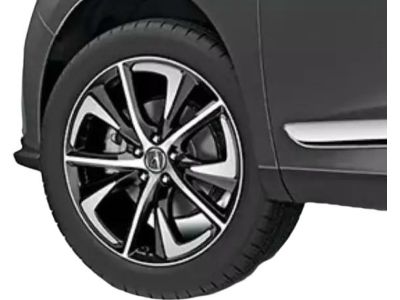
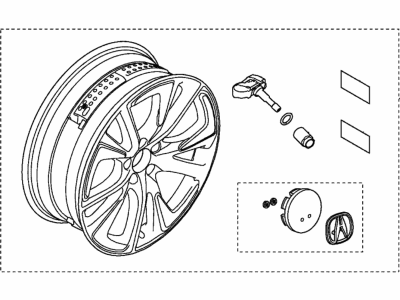
Acura 20" Wheel, Tire
Part Number: 42751-GYR-057$213.20 MSRP: $213.47You Save: $0.27 (1%)Ships in 1-3 Business DaysProduct Specifications- Other Name: TIRE (255/45R20)
- Replaces: 42751-TJB-A63, 42751-TJB-A62, 42751-TJB-Y60
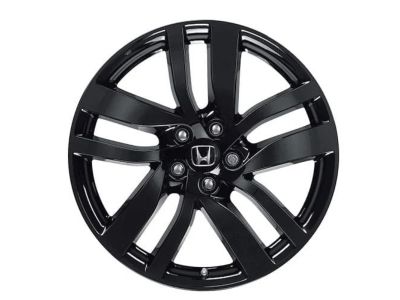
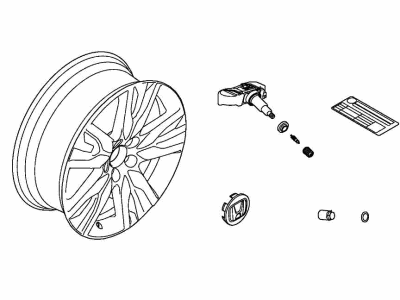
Acura Tire,245/50R20 10
Part Number: 42751-CTL-020$268.35 MSRP: $270.53You Save: $2.18 (1%)Ships in 1-3 Business DaysProduct Specifications- Replaces: 42751-TG7-A21, 42751-TG7-A23, 42751-TG7-Y20, 42751-TG7-A24, 42751-TG7-A22
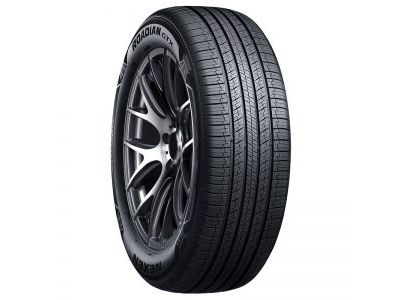
Acura Tire (P235/60R18)
Part Number: 42751-MIC-140$281.19 MSRP: $283.47You Save: $2.28 (1%)Ships in 1-3 Business DaysProduct Specifications- Replaces: 42751-TX4-A02
Acura Tire for Temporary Wheel Kit
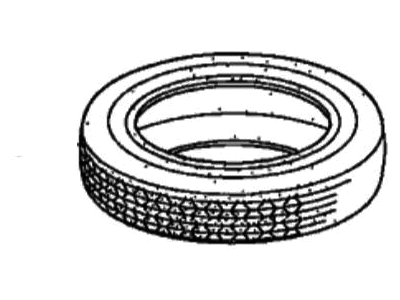
Part Number: 42751-KEN-001$161.95 MSRP: $162.15You Save: $0.20 (1%)Ships in 1-3 Business DaysProduct Specifications- Other Name: Spare Tire
- Replaces: 42751-SWA-A54, 42751-SWA-904, 42751-SWA-A56
 Product Specifications
- Replaces: 42751-SJA-901, 42751-TY2-T02, 42751-TY2-T03
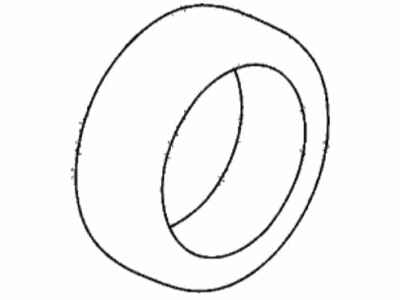
Acura 20" Tire
Part Number: 42751-BRI-131$264.16 MSRP: $266.76You Save: $2.60 (1%)Ships in 1-3 Business DaysProduct Specifications- Other Name: TIRE 255/50R20
- Replaces: 42751-TYA-A21

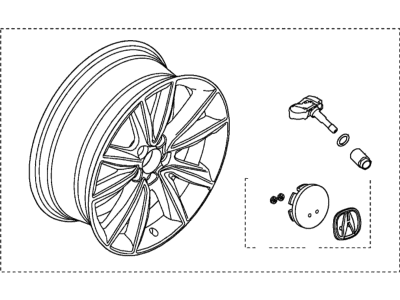
Acura Tire (265/45R20) (104V) (A/S) (Michelin Latitude Tour Hp)
Part Number: 42751-MIC-166$437.33 MSRP: $440.88You Save: $3.55 (1%)Ships in 1-3 Business DaysProduct Specifications- Replaces: 42751-TZ5-Y10, 42751-TYR-A11, 42751-TYR-A12
 Product Specifications
- Replaces: 42751-TJB-A04, 42751-TJB-Y00, 42751-TJB-A03, 42751-TJB-A02
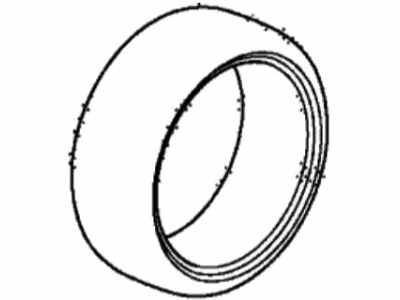
Acura Tire (235/45R18 94V)
Part Number: 42751-BRI-128$301.03 MSRP: $303.47You Save: $2.44 (1%)Ships in 1-3 Business DaysProduct Specifications- Replaces: 42751-TGV-A02, 42751-TGV-A01
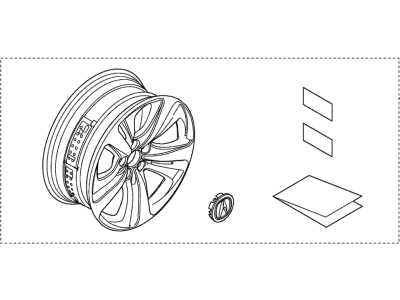
Acura Tire 255/40R19
Part Number: 42751-BRI-129$352.38 MSRP: $355.24You Save: $2.86 (1%)Ships in 1-3 Business DaysProduct Specifications- Replaces: 42751-TGV-A41, 42751-TGV-A42
Acura 19" Wheel Tire (255/40R19 96W) (M+S) SH-AWD
Part Number: 42751-MIC-169$320.32 MSRP: $323.47You Save: $3.15 (1%)Ships in 1-3 Business DaysProduct Specifications- Other Name: Tire, 255/40R19 96
- Replaces: 42751-TGV-A33, 42751-TGV-A32
Acura Tire, Rear
Part Number: 42751-CTL-037$312.39 MSRP: $314.93You Save: $2.54 (1%)Ships in 1-3 Business DaysProduct Specifications- Position: Rear
- Replaces: 42757-T6N-A62
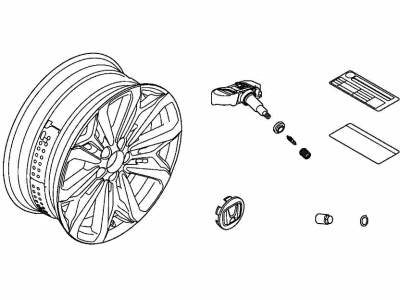
Acura Tire (265/45R20) (104H) (As) (Continental X Contact Lx Spt)
Part Number: 42751-CTL-033$296.13 MSRP: $298.53You Save: $2.40 (1%)Ships in 1-3 Business DaysProduct Specifications- Replaces: 42751-TYS-A12, 42751-TYS-A11
 Product Specifications
- Replaces: 42757-T6N-305
 Product Specifications
- Position: Front
- Replaces: 42755-T6N-A62
- Product Specifications
- Replaces: 42755-T6N-305
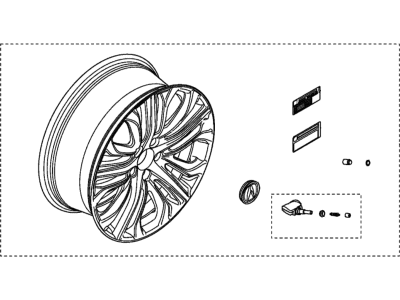
 Product Specifications
- Replaces: 42751-TY2-A01, 42751-TZ3-A41, 42751-TY2-T01
| Page 1 of 7 |Next >
1-20 of 126 Results
Acura Tire Parts Questions & Experts Answers
- Q:What are the Benefits of Periodic Tire Inspections on Acura Integra?Posted by Chang Y.A:Periodic inspection of the tires may spare you from the inconvenience of being stranded with a flat tire and provide vital information regarding possible problems in the steering and suspension systems before major damage occurs. Normal tread wear can be monitored with a simple, inexpensive device known as a tread depth indicator, and when the tread depth reaches the specified minimum, the tire(s) should be replaced. Any abnormal tread wear, such as cupping, flat spots and more wear on one side than the other, are indications of front end alignment or balance problems and should be addressed at a tire shop or service station. Cuts, punctures and embedded nails or tacks should be looked for closely, and if a slow leak persists, the valve core should be checked to make sure it is tight. The inner side of each tire should be carefully inspected for evidence of brake fluid leakage, and if any is found, the brakes should be inspected immediately. Correct tire air pressure adds miles to the lifespan of the tires, improves mileage and enhances overall ride quality, and should be checked when the tires are cold using an accurate gauge kept in the glovebox. The valve cap should be unscrewed and the gauge pushed firmly onto the valve, with the reading compared to the recommended tire pressure shown on the tire placard on the left door jamb. All four tires should be checked and, if necessary, air added to bring them up to the recommended pressure levels. The spare tire should also be kept inflated to the specified pressure.Answered by Acura Parts Specialist Greg / May 25, 2026
- Q:Why is Tire Inspection Crucial for the Acura MDX?Posted by Melissa K.A:Regularly inspecting tires is very important to avoid a flat and detect problems with steering, or suspension. When the tread depth is not good, it will be sensed and replacement should be done. For example, the wheels are not aligned properly if you see cupping. If necessary the valve core should be tightened while punctures are repaired. Brake fluid leaks can be found on the inboard side of each tire by inspection. Tire pressure is a major determinant of tire life span, mileage, and quality of ride and it should be checked up by a reliable gauge that shows the correct reading. On a cold day, compare this to what is indicated on the tire placard on your left door jamb (tire sidewall).Answered by Acura Parts Specialist Mitch / Aug 12, 2022
- Q:How can tire and wheel maintenance ensure proper handling and performance on an Acura TL?Posted by Herb P.A:All vehicles covered are equipped with metric-sized fiberglass or steel belted radial tires, and using other sizes or types may affect ride and handling. Mixing different types of tires, such as radials and bias belted, on the same vehicle can seriously impact handling. It is recommended to replace tires in pairs on the same axle, and if only one tire is being replaced, it should match the size, structure, and tread design of the other. Tire pressure significantly affects handling and wear, so it should be checked at least once a month or before extended trips. Wheels must be replaced if they are bent, dented, leaking air, have elongated bolt holes, are heavily rusted, out of vertical symmetry, or if the lug nuts won't stay tight; welding or peening for repairs is not advisable. Proper tire and wheel balance is crucial for overall handling, braking, and performance, as unbalanced wheels can negatively impact handling, ride characteristics, and tire life. Whenever a tire is installed on a wheel, it should be balanced by a shop with the appropriate equipment.Answered by Acura Parts Specialist Roberto / Aug 09, 2025