×
- Hello
- Login or Register
- Quick Links
- Live Chat
- Track Order
- Parts Availability
- RMA
- Help Center
- Contact Us
- Shop for
- Acura Parts
- Acura Accessories

My Garage
My Account
Cart
Genuine Acura Integra Oil Filter
Engine Oil filter- Select Vehicle by Model
- Select Vehicle by VIN
Select Vehicle by Model
orMake
Model
Year
Select Vehicle by VIN
For the most accurate results, select vehicle by your VIN (Vehicle Identification Number).
12 Oil Filters found
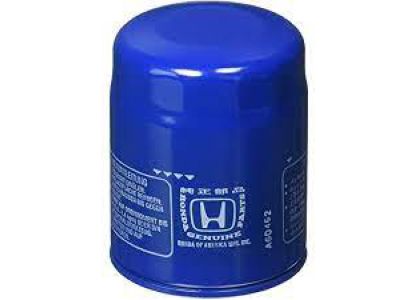
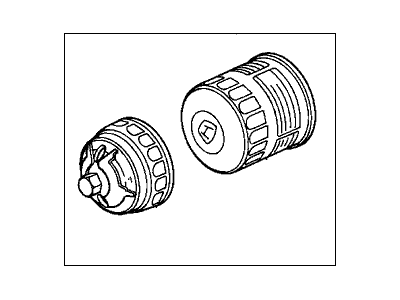
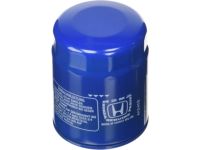
Acura Integra Oil Filter, Blue (Honeywell)
Part Number: 15400-PLM-A02$6.79 MSRP: $9.70You Save: $2.91 (30%)Ships in 1-3 Business Days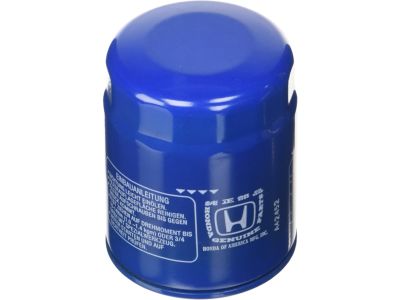
Acura Integra Oil Filter
Part Number: 15400-P0H-305$6.79 MSRP: $9.70You Save: $2.91 (30%)Ships in 1-3 Business Days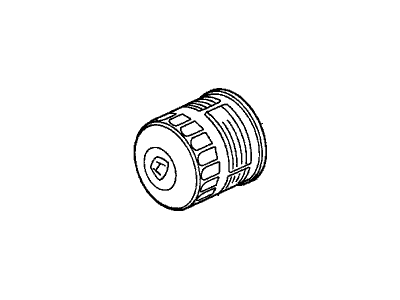
Acura Integra Oil Filter (Allied Signal Usa)
Part Number: 15400-PT7-005$6.79 MSRP: $9.70You Save: $2.91 (30%)Ships in 1-3 Business Days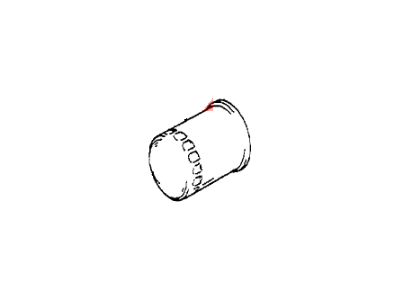
Acura Integra Oil Filter Engine/Motor Oil Filter Free Shipping
Part Number: 15400-PC6-004$6.95 MSRP: $9.70You Save: $2.75 (29%)Ships in 1-3 Business Days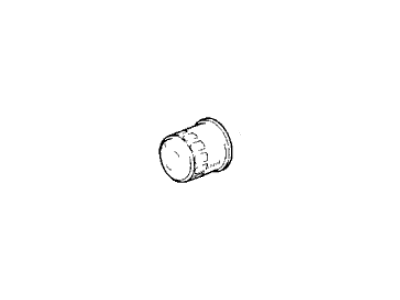
Acura Integra Oil Filter
Part Number: 15400-PA6-405$5.33 MSRP: $7.43You Save: $2.10 (29%)Ships in 1-3 Business DaysAcura Integra Oil Filter
Part Number: 15400-PA6-305$5.33 MSRP: $7.43You Save: $2.10 (29%)Ships in 1-3 Business DaysAcura Integra Oil Filter (Tokyo Roki)
Part Number: 15400-PA6-003$5.33 MSRP: $7.43You Save: $2.10 (29%)Ships in 1-3 Business Days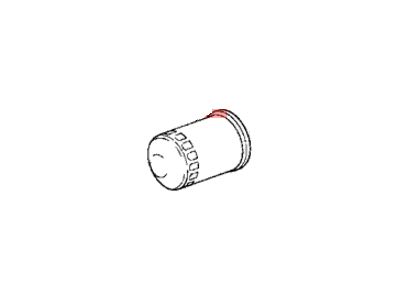
Acura Integra Oil Filter (Toyo)
Part Number: 15400-PH1-014$6.79 MSRP: $9.70You Save: $2.91 (30%)Ships in 1-3 Business DaysAcura Integra Oil Filter (Toyo)
Part Number: 15400-PH1-004$6.95 MSRP: $9.70You Save: $2.75 (29%)Ships in 1-3 Business Days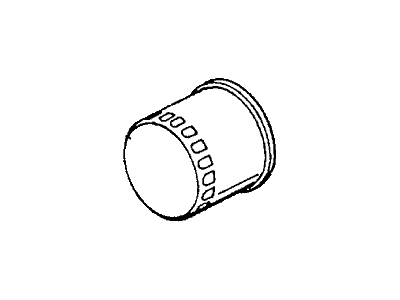
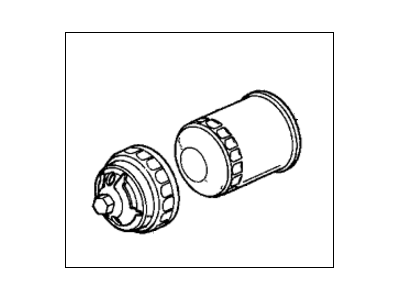
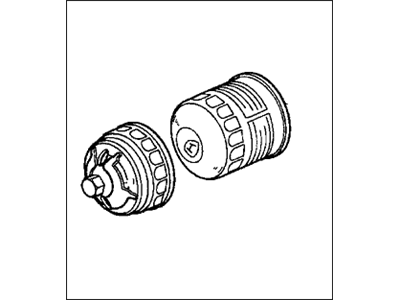
Acura Integra Oil Filter
The Acura Integra's Oil Filter is designed to allow oil to flow smoothly through the engine while keeping the lubricant clean. The Oil Filter is designed to pass the oil under pressure through a pleated medium made of cellulose, synthetic fiber, or a combination of both to capture contaminants or dirt particles before it is directed back at moving parts. The Oil Filter's capacity is designed to hold accumulated contaminants for thousands of miles. When an Oil Filter shows an efficiency rating of about 99 percent, that means it can remove contamination very effectively. The Oil Filter features internal pressure relief and anti-drainback valves that open at the right time to provide sustainability of oil supply, preventing starvation which causes startup wear. Sufficient strength or flow prevents a standard unit from rupturing or restricting oil under high operating conditions. The right Oil Filter is crucial for the Acura Integra lubrication system. Regular replacement helps to protect an Acura Integra engine from sludge buildup. Following the recommended intervals for an Acura Integra helps preserve smooth performance.
We provide a broad range of OEM Acura Integra Oil Filter at unbeatable prices on our website. For your OEM parts, You can count on the guaranteed quality, manufacturer's warranty, outstanding customer service, and prompt delivery. We look forward to your visit.
Acura Integra Oil Filter Parts Questions & Experts Answers
- Q:How can home mechanics perform frequent Oil Filter and oil changes as preventive maintenance on an Acura Integra?Posted by Dateng M.A:Frequent oil changes are a necessary preventive maintenance for home mechanics since with age, oil tends to dilute and become polluted thereby prematurely wearing off the engine. Before attempting an oil change ensure you have all the tools necessary such as a drain pan, rubber gloves, breaker bar, socket, and filter wrench in place. Adequate rags or newspapers should be on hand to handle any spills. If hoisted up into air or driven onto ramps, a vehicle's lower parts becomes more accessible. Familiarize yourself with the locations of the oil drain plug and oil filter especially if it is your first time changing oil and anticipate potential problems before the engine and components heat up. Park on level ground and start engine to warm it up then shut off engine remove filler cap This article explains how to safely Jackstands raise and support a vehicle Drained Inspect for metal chips in washed out old fluid.1 The drain plug should be wiped clean of any dirt on its threads, then reinstalled securely.).2 Shift the drain pan under filters; detach old ones while ensuring no gasket remnants remain on block.Replacement filters for engines running corrosive fuel must have their rubber o-rings liberally lubricated by petrol (engine lube) during installation so they can seat properly.Too much tightening may cause damage but not enough could result in leaks which would lead ultimately back towards costly repairs.Lower car and add new filling through top hole Check dipstick levels of new motor Turn over switch again for some seconds after which make sure once more that there are no seepages.Place used liquids inside containers with caps until they cool before taking them to recycling companies where petroleum is salvaged from them.Answered by Acura Parts Specialist Roberto / Sep 07, 2025
Related Acura Integra Parts
 Acura Integra Oil Pan
 Acura Integra Oil Pan Gasket
 Acura Integra Oil Pressure Switch
 Acura Integra Automatic Transmission Filter
 Acura Integra Dipstick
 Acura Integra Dipstick Tube
 Acura Integra Drain Plug Washer
 Acura Integra Oil Filler Cap
 Acura Integra Oil Pan Baffle
 Acura Integra Transfer Case Seal
 Acura Integra Oil Cooler
Browse by Year
2026 Oil Filter 2025 Oil Filter 2024 Oil Filter 2023 Oil Filter 2001 Oil Filter 2000 Oil Filter 1999 Oil Filter 1998 Oil Filter 1997 Oil Filter 1996 Oil Filter 1995 Oil Filter 1994 Oil Filter 1993 Oil Filter 1992 Oil Filter 1991 Oil Filter 1990 Oil Filter 1989 Oil Filter 1988 Oil Filter 1987 Oil Filter 1986 Oil Filter