×
- Hello
- Login or Register
- Quick Links
- Live Chat
- Track Order
- Parts Availability
- RMA
- Help Center
- Contact Us
- Shop for
- Acura Parts
- Acura Accessories

My Garage
My Account
Cart
Genuine Acura Integra Oil Pan
Oil Drain Pan- Select Vehicle by Model
- Select Vehicle by VIN
Select Vehicle by Model
orMake
Model
Year
Select Vehicle by VIN
For the most accurate results, select vehicle by your VIN (Vehicle Identification Number).
9 Oil Pans found
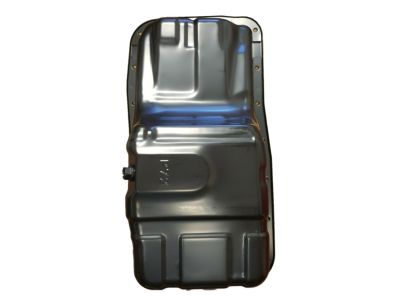
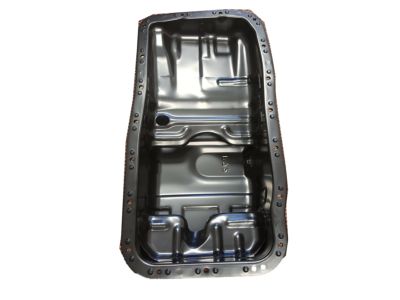
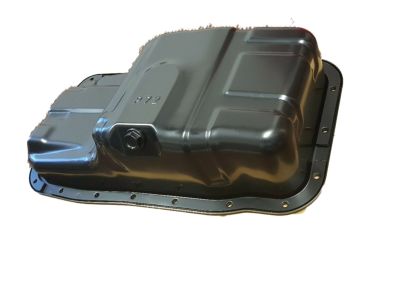
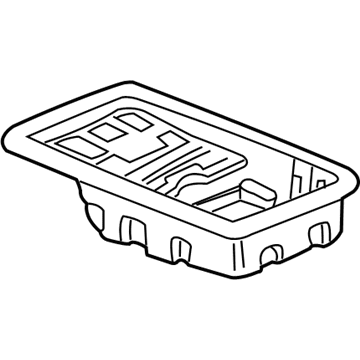
Acura Integra Engine Oil Pan & Drain Plug
Part Number: 11200-P72-010$415.34 MSRP: $593.16You Save: $177.82 (30%)Ships in 1-3 Business Days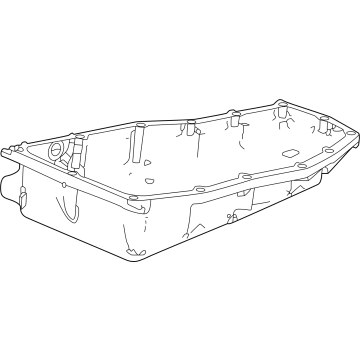
Acura Integra Pan, Oil
Part Number: 21151-5LJ-000$422.62 MSRP: $603.57You Save: $180.95 (30%)Ships in 1-3 Business Days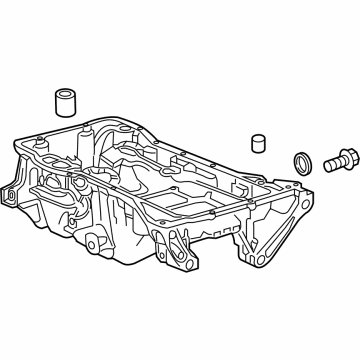
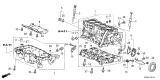
Acura Integra Pan Assembly , Oil
Part Number: 11200-6PV-A00$385.75 MSRP: $550.91You Save: $165.16 (30%)Ships in 1-2 Business Days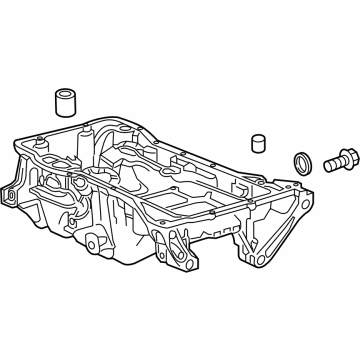
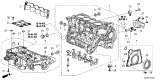
Acura Integra Pan Assembly , Oil
Part Number: 11200-64A-A00$297.36 MSRP: $424.67You Save: $127.31 (30%)Ships in 1-3 Business Days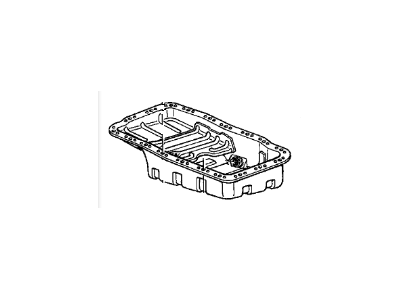
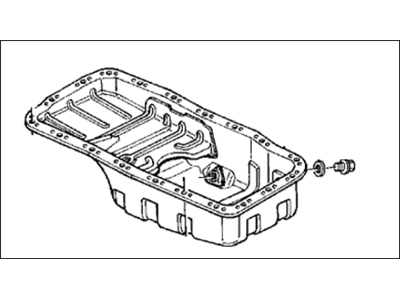
Acura Integra Oil Pan
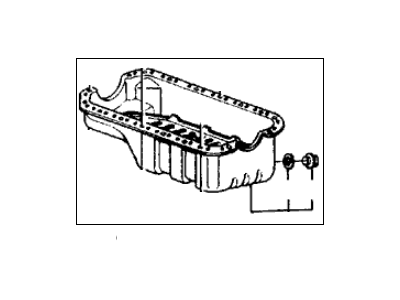
The Acura Integra Oil Pan serves as the engine's main oil reservoir, holding lubricant ready for each moving part. Positioned below the block, the Oil Pan collects oil that drips back after each circulation, and its tight seal prevents precious fluid from leaking out of the system. The low-sitting Oil Pan also protects the internal components from debris kicked up from the road. Most Acura Integra models are based on a wet sump design where the Oil Pan contains the entire oil supply, a simple and effective design that is ideal for normal driving but means that the engine will sit a little higher as it needs to clear the sump. Under aggressive cornering, the oil can slosh away from the pump pickup, causing it to briefly run the risk of lubrication loss. To overcome this problem, a few of the higher-end vehicles have a dry sump configuration where the oil is stored in a separate tank and an additional scavenge pump is applied to maintain a more stable oil delivery in the event that g-forces are increased, although this isn't conventional for the Acura Integra line. Over its production run, the basic stamped steel Oil Pan shape has remained consistent as the wet sump system already balances cost, space, and dependable oil storage for the Acura Integra engine family.
We provide a broad range of OEM Acura Integra Oil Pan at unbeatable prices on our website. For your OEM parts, You can count on the guaranteed quality, manufacturer's warranty, outstanding customer service, and prompt delivery. We look forward to your visit.
Acura Integra Oil Pan Parts Questions & Experts Answers
- Q:How to Remove and Reinstall an Oil Pan in a DOHC Engine on an Acura Integra?Posted by Violetta A.A:To remove the oil pan, first warm up the engine, drain the oil, and replace the oil filter. Disconnect the cable from the negative terminal of the battery, ensuring you have the correct activation code for the radio if it has an anti-theft system. Raise the vehicle and support it securely on jackstands, then remove the splash shield from under the engine. Next, remove the front exhaust pipe and the bolts securing the oil pan to the engine block. Tap on the pan with a soft-face hammer to break the gasket seal, then detach the oil pan without prying between the block and oil pan mating surfaces. Use a gasket scraper to remove all traces of the old gasket or sealant from both the engine block and oil pan, and remove the seals from each end. Clean the mating surfaces with lacquer thinner or acetone, ensuring the threaded bolt holes in the block are clean. For installation, clean the oil pan with solvent and dry it thoroughly, checking the gasket flanges for distortion. If needed, flatten and restore the gasket surfaces using a hammer on a wood block. Apply a 1/8-inch wide bead of RTV sealant to the oil pan gasket surfaces, ensuring it is applied to the inside edge of the bolt holes. Carefully place the oil pan in position, install the bolts, and tighten them in small increments to the specified torque, starting with the bolts closest to the center and working out in a spiral pattern to avoid overtightening, which could cause leakage. Finally, add oil, run the engine, and check for any oil leaks.Answered by Acura Parts Specialist Justin / Feb 05, 2024