×
- Hello
- Login or Register
- Quick Links
- Live Chat
- Track Order
- Parts Availability
- RMA
- Help Center
- Contact Us
- Shop for
- Acura Parts
- Acura Accessories

My Garage
My Account
Cart
Genuine Acura Integra Relay
Wire Relay- Select Vehicle by Model
- Select Vehicle by VIN
Select Vehicle by Model
orMake
Model
Year
Select Vehicle by VIN
For the most accurate results, select vehicle by your VIN (Vehicle Identification Number).
37 Relays found
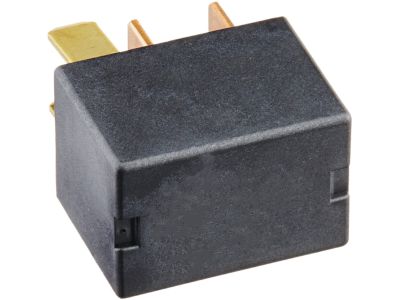
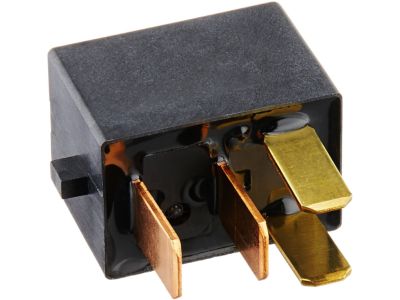
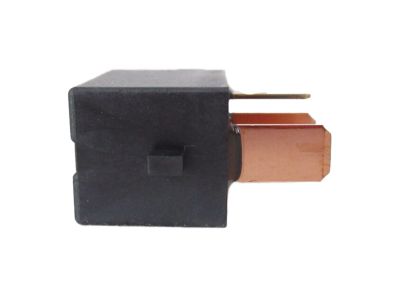

Acura Integra Power Relay Assembly
Part Number: 39794-SDA-A03$22.56 MSRP: $32.22You Save: $9.66 (30%)Ships in 1-3 Business Days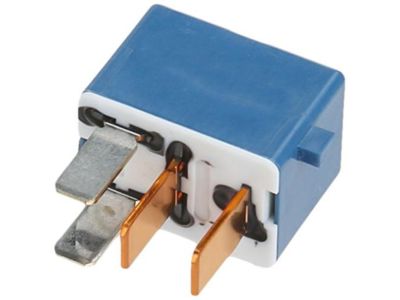
Acura Integra Fuel Pump Relay Assembly (Denso)
Part Number: 39794-SDA-004$55.01 MSRP: $78.57You Save: $23.56 (30%)Ships in 1-3 Business Days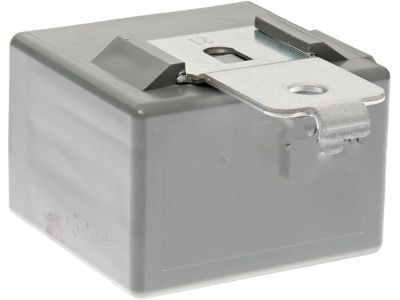
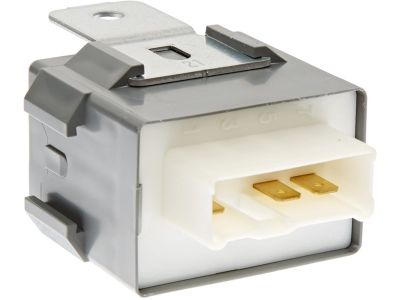

Acura Integra Main Relay Assembly
Part Number: 39400-S10-003$135.16 MSRP: $190.91You Save: $55.75 (30%)Ships in 1-2 Business Days
Acura Integra Power Relay Assembly (5P) (Micro Iso) (Mitsuba)
Part Number: 39794-S10-003$50.64 MSRP: $72.31You Save: $21.67 (30%)Ships in 1-3 Business Days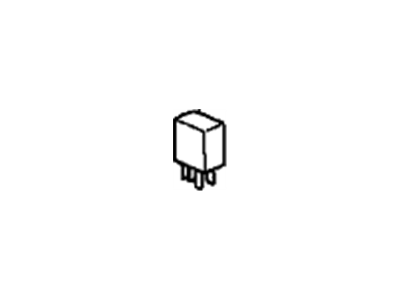
Acura Integra Relay Assembly (Micro Iso)
Part Number: 39792-SDA-A01$5.95 MSRP: $8.29You Save: $2.34 (29%)Ships in 1-3 Business Days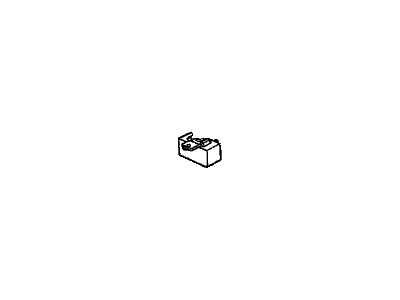
Acura Integra Main Relay Assembly (Rz-0063) (Pgm-Fi) (Mitsuba)
Part Number: 39400-SH3-003$144.69 MSRP: $204.37You Save: $59.68 (30%)Ships in 1-3 Business Days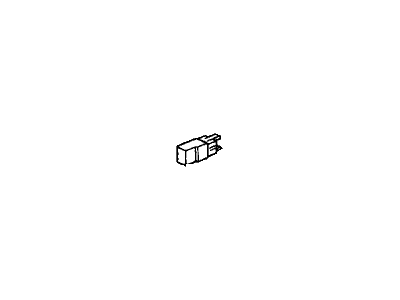
Acura Integra Power Relay Assembly (4P) (056700-7250) (Denso)
Part Number: 39794-SE0-003$101.92 MSRP: $143.00You Save: $41.08 (29%)Ships in 1 Business Day
Acura Integra Relay Assembly, Power
Part Number: 39794-T5A-J01$40.62 MSRP: $58.02You Save: $17.40 (30%)Ships in 1-3 Business Days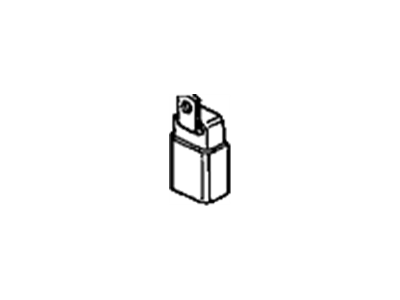
Acura Integra Power Relay Assembly
Part Number: 39795-SB2-003$97.83 MSRP: $137.27You Save: $39.44 (29%)Ships in 1-3 Business Days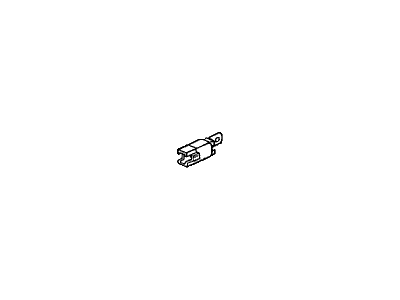

Acura Integra Power Relay Assembly (4P) (Rc-2201) (Mitsuba)
Part Number: 39797-SE0-004$81.48 MSRP: $116.36You Save: $34.88 (30%)Ships in 1 Business Day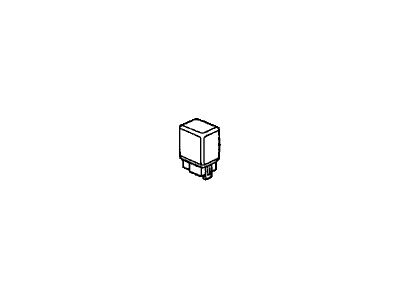
Acura Integra Power Relay Assembly (4P) (12V No) (Mitsuba)
Part Number: 39792-SP0-014$64.14 MSRP: $89.45You Save: $25.31 (29%)Ships in 1-3 Business Days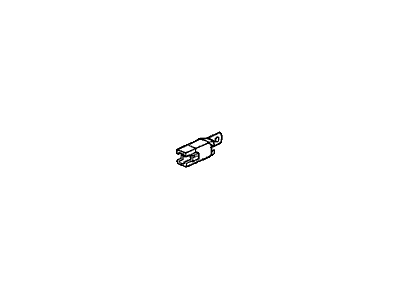
Acura Integra Power Relay Assembly (4P) (056700-7330) (Denso)
Part Number: 39797-SE0-003$87.67 MSRP: $123.00You Save: $35.33 (29%)Ships in 1-2 Business Days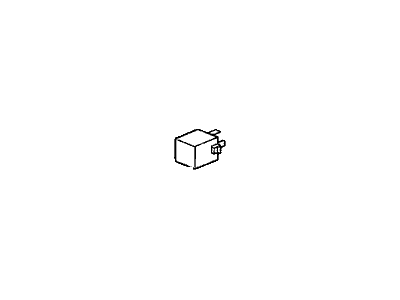
Acura Integra Turn Signal And Hazard Relay Assembly
Part Number: 38300-S9A-003$87.64 MSRP: $122.96You Save: $35.32 (29%)Ships in 1-3 Business Days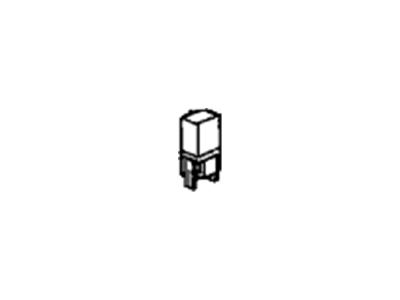
Acura Integra Power Relay Assembly (Brown)
Part Number: 39794-SL0-J01$101.92 MSRP: $143.00You Save: $41.08 (29%)Ships in 1-3 Business Days
Acura Integra Relay Assembly
Part Number: 39794-T7A-901$5.46 MSRP: $7.60You Save: $2.14 (29%)Ships in 1-3 Business Days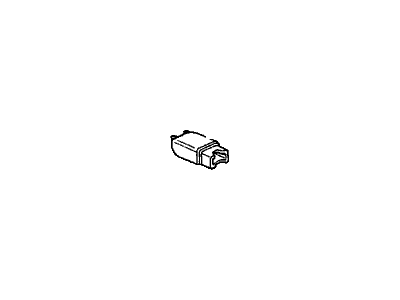
Acura Integra Power Relay Assembly (4P) (Denso)
Part Number: 39797-SH2-003$79.05 MSRP: $110.92You Save: $31.87 (29%)Ships in 1-3 Business Days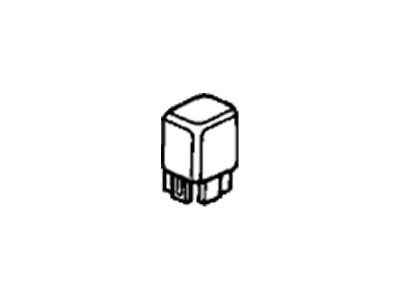
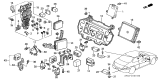
Acura Integra Relay Assembly, Power (4P) (056700-7410) (Denso)
Part Number: 39792-SE0-003$73.75 MSRP: $103.47You Save: $29.72 (29%)Ships in 1-3 Business Days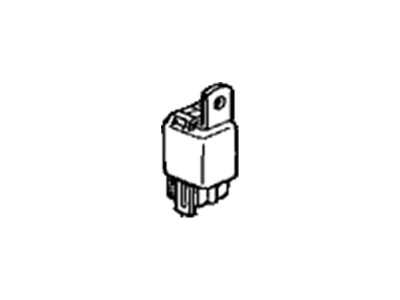
Acura Integra Power Relay Assembly (4P) (056700-85700) (Denso)
Part Number: 39797-SE3-003$77.27 MSRP: $108.40You Save: $31.13 (29%)Ships in 1-3 Business DaysAcura Integra Turn Signal And Hazard Relay Assembly (Fr-3309)
Part Number: 38300-SE3-013$87.64 MSRP: $122.96You Save: $35.32 (29%)Ships in 1-3 Business Days
Acura Integra Relay Assembly, Power (Micro Iso)
Part Number: 39794-TBA-A01$4.77 MSRP: $6.66You Save: $1.89 (29%)Ships in 1-3 Business Days
| Page 1 of 2 |Next >
1-20 of 37 Results
Acura Integra Relay
Acura Integra Relay is the very miniature gatekeeper that allows the car's climate gear to operate only when commanded, protecting valuable components and maintaining a comfortable cabin environment. The Relay uses a weak signal to energize an electromagnet to snap contacts closed to allow full current to the devices such as the cooling fan or a blower motor so that a small control circuit can safely control a heavier load. Over the years, the Integra line has been based on two predominant styles of Relay, the traditional electromechanical type with moving contacts and the more modern solid state which switches by semiconductor action without physical motion. The solid state option has a quicker reaction time, shrugs off vibration, and eliminates arc wear, while the classic type remains affordable and easy to spot by its audible click. A special subgroup exists called latching Relay which is seen in some climate modules and requires only one pulse to maintain its setting, thereby conserving power if the vehicle momentarily loses battery feed. Because one failure of a Relay can silence a fan or misroute heat, timely exchange of these Acura parts ensures the entire A/C chain and all Acura Integra remain comfortable.
We provide a broad range of OEM Acura Integra Relay at unbeatable prices on our website. For your OEM parts, You can count on the guaranteed quality, manufacturer's warranty, outstanding customer service, and prompt delivery. We look forward to your visit.
Acura Integra Relay Parts Questions & Experts Answers
- Q:How do Relays Function in Electrical Systems and How Can a Faulty Relay Be Tested on an Acura Integra?Posted by Darling S.A:Several electrical accessories in the vehicle, such as the fuel injection system, Horns, starter, and cooling fans, utilize relays to transmit electrical signals to the components. Relays operate using a low-current control circuit to manage a high-current power circuit. A defective relay will prevent the associated component from functioning correctly. These relays are located in the engine compartment fuse box and various other spots throughout the vehicle. If a faulty relay is suspected, it can be removed and tested. For testing, it's advisable to consult the wiring diagram to identify the correct connections for the relay. Typically, two terminals correspond to the control circuit, connecting to the relay coil, while the remaining terminals are linked to the power circuit. Most relays are labeled to assist in identifying these terminals. To test, connect an ohmmeter to the power circuit terminals, then use a fused jumper wire to connect one control circuit terminal to the positive battery terminal and another jumper wire from the other control circuit terminal to ground. The relay should click, and continuity will be shown on the meter. If the relay does not click, reversing the jumper wires may be necessary due to polarity sensitivity. If the relay does not pass the test, it should be replaced.Answered by Acura Parts Specialist Justin / Dec 02, 2022
Related Acura Integra Parts
 Acura Integra Brake Light Switch
 Acura Integra Oil Pressure Switch
 Acura Integra Headlight Switch
 Acura Integra Door Jamb Switch
 Acura Integra Mirror Switch
 Acura Integra Wiper Switch
 Acura Integra Neutral Safety Switch
 Acura Integra Turn Signal Switch
 Acura Integra Power Steering Pressure Switch
 Acura Integra Seat Switch