×
- Hello
- Login or Register
- Quick Links
- Live Chat
- Track Order
- Parts Availability
- RMA
- Help Center
- Contact Us
- Shop for
- Acura Parts
- Acura Accessories

My Garage
My Account
Cart
Genuine Acura Connecting Rod
- Select Vehicle by Model
- Select Vehicle by VIN
Select Vehicle by Model
orMake
Model
Year
Select Vehicle by VIN
For the most accurate results, select vehicle by your VIN (Vehicle Identification Number).
61 Connecting Rods found
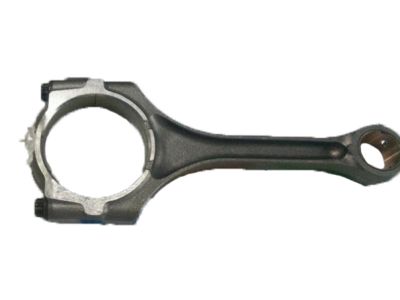
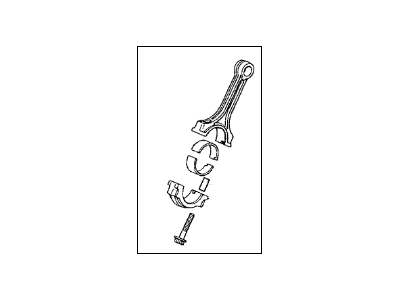
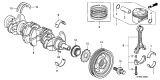
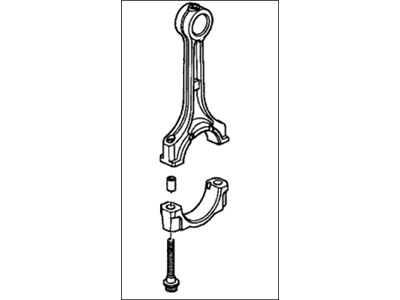
Acura Connecting Rod
Part Number: 13210-RYE-A00$75.95 MSRP: $106.54You Save: $30.59 (29%)Ships in 1-3 Business DaysProduct Specifications- Other Name: Rod, Connecting
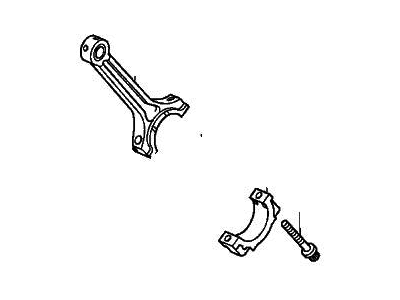
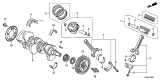
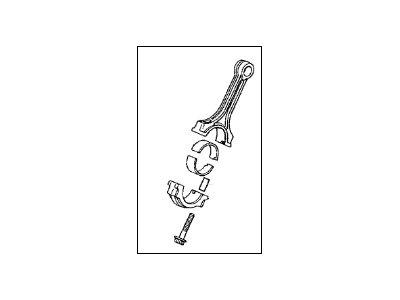
Acura Connecting Rod
Part Number: 13210-5G5-H00$189.53 MSRP: $270.68You Save: $81.15 (30%)Ships in 1-3 Business DaysProduct Specifications- Other Name: Rod, Connecting; Connecting Rod
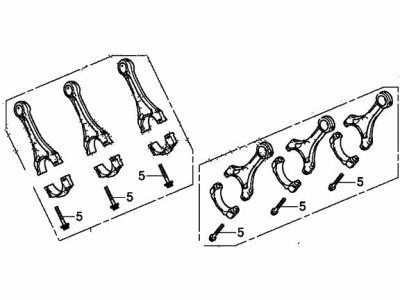
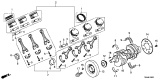
Acura Rod Set, Connecting (Special)
Part Number: 13220-58G-A51$2771.25 MSRP: $3957.80You Save: $1186.55 (30%)Ships in 1-3 Business Days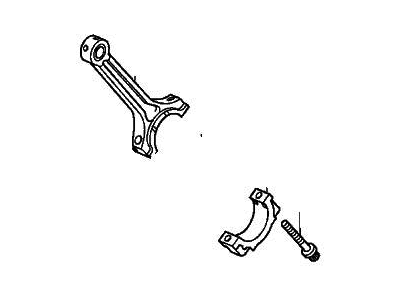
Acura Connecting Rod
Part Number: 13210-5J6-A00$170.04 MSRP: $240.16You Save: $70.12 (30%)Ships in 1-3 Business DaysProduct Specifications- Other Name: Rod, Connecting
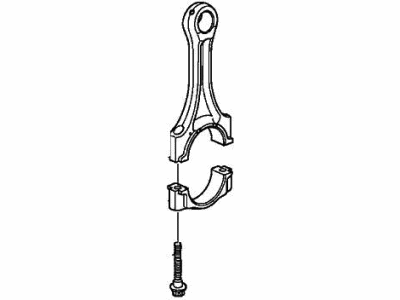
Acura Connecting Rod
Part Number: 13210-6B2-A00$72.28 MSRP: $101.40You Save: $29.12 (29%)Ships in 1-3 Business DaysProduct Specifications- Other Name: ROD, CONNECTING; Connecting Rod
- Replaces: 13210-RPY-G10
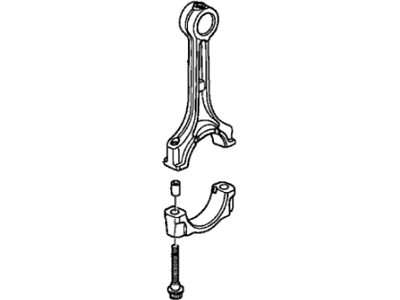
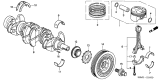
Acura Connecting Rod
Part Number: 13210-PRB-A01$201.23 MSRP: $287.39You Save: $86.16 (30%)Ships in 1-3 Business DaysProduct Specifications- Other Name: Rod, Connecting
- Replaces: 13210-PRB-A00

Acura Connecting Rod
Part Number: 13210-6S9-A00$151.39 MSRP: $213.83You Save: $62.44 (30%)Ships in 1-3 Business DaysProduct Specifications- Other Name: ROD, CONNECTING; Connecting Rod
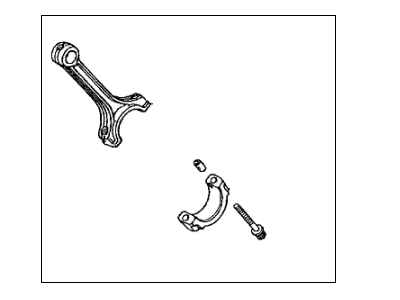
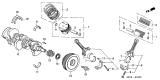
Acura Connecting Rod
Part Number: 13210-PGK-A00$203.13 MSRP: $290.11You Save: $86.98 (30%)Ships in 1-3 Business Days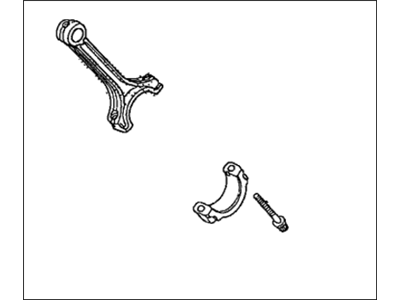
Acura Connecting Rod
Part Number: 13210-R70-A00$73.58 MSRP: $103.23You Save: $29.65 (29%)Ships in 1-3 Business DaysProduct Specifications- Replaces: 13210-R70-A10, 13210-RV0-A00
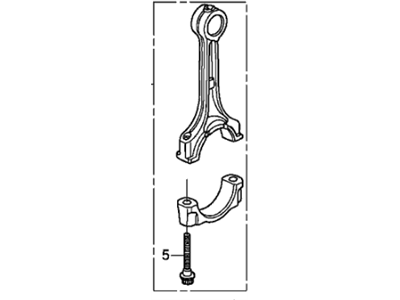
Acura Connecting Rod
Part Number: 13210-R40-A00$202.33 MSRP: $288.97You Save: $86.64 (30%)Ships in 1-3 Business DaysProduct Specifications- Replaces: 13210-RLF-S00
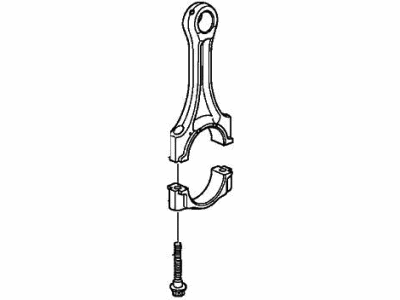
Acura Connecting Rod
Part Number: 13210-RZP-000$216.01 MSRP: $308.50You Save: $92.49 (30%)Ships in 1-3 Business Days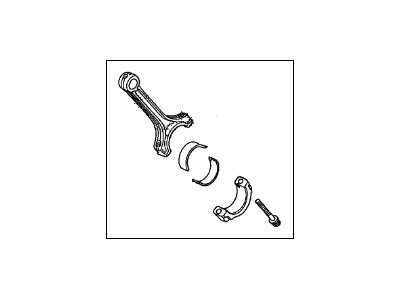
Acura Connecting Rod
Part Number: 13210-RKG-000$202.58 MSRP: $289.32You Save: $86.74 (30%)Ships in 1-3 Business Days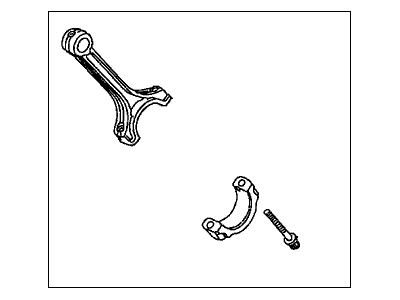
Acura Connecting Rod
Part Number: 13210-RDV-J00$217.05 MSRP: $309.98You Save: $92.93 (30%)Ships in 1-3 Business DaysProduct Specifications- Replaces: 13210-P8A-A00, 13210-P8C-A00, 13210-RCA-A00
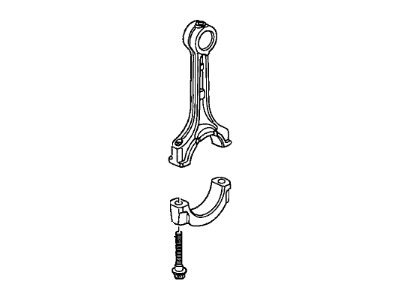
Acura Connecting Rod
Part Number: 13210-5A2-A00$321.58 MSRP: $459.26You Save: $137.68 (30%)Ships in 1-3 Business DaysProduct Specifications- Replaces: 13210-R48-H00
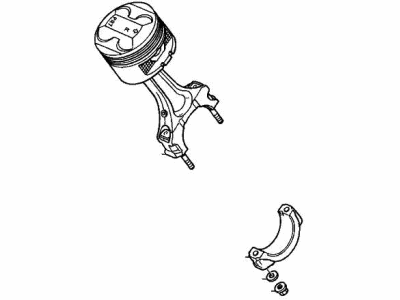
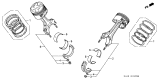
Acura Rod Assembly, Rear Connecting (Over Size) (0.50)
Part Number: 13250-PR7-406$1270.68 MSRP: $1814.73You Save: $544.05 (30%)Ships in 1-3 Business DaysProduct Specifications- Position: Rear
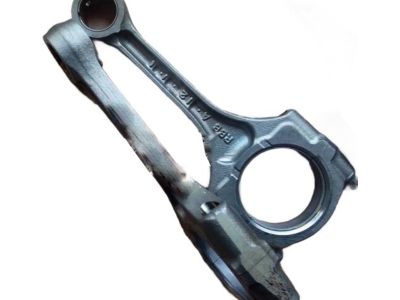
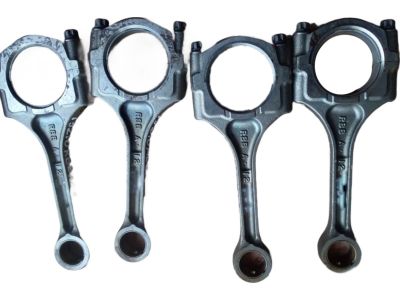
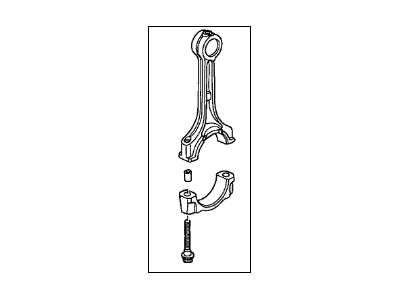
 Product Specifications
- Other Name: Rod, Connecting
| Page 1 of 4 |Next >
1-20 of 61 Results
Acura Connecting Rod Parts Questions & Experts Answers
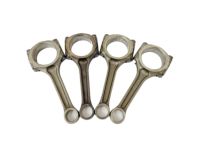
- Q:What Steps Should Be Taken Before Inspecting Connecting Rod and Pistons on Acura Integra?Posted by Mensur H.A:Before the inspection process can be carried out, the piston/connecting rod assemblies must be cleaned and the original piston rings removed from the pistons, ensuring that new piston rings are always used during reassembly. Using a piston ring expander tool, carefully remove the rings from the pistons without nicking or gouging them. Scrape all traces of carbon from the top of the piston using a handheld wire brush or fine emery cloth after the majority of deposits have been removed, avoiding the use of a wire brush mounted in a drill motor to prevent erosion of the soft piston material. A piston ring groove cleaning tool should be used to remove carbon deposits from the ring grooves, or a piece broken off the old ring can serve as an alternative, taking care not to remove any metal or damage the grooves. After removing deposits, clean the piston/rod assemblies with solvent and dry them with compressed air, wearing eye protection and ensuring that the oil return holes in the ring grooves are clear. If the pistons and cylinder walls are not excessively damaged or worn, and the engine block is not rebored, new pistons may not be necessary, although new piston rings should always be used during a rebuild. Each piston should be carefully inspected for cracks, scoring, scuffing, holes, and burned areas, as these can indicate overheating or abnormal combustion, necessitating a thorough check of the cooling and lubrication systems. Corrosion in the form of small pits suggests coolant leakage into the combustion chamber or crankcase, which must be addressed to prevent recurrence in the rebuilt engine. Measure the piston ring side clearance by placing a new piston ring in each groove and using a feeler gauge, checking at several points around the groove, and ensuring the correct ring is used for each groove. The piston-to-bore clearance should be checked by measuring the bore and piston diameter, ensuring they are correctly matched, and calculating the clearance by subtracting the piston diameter from the bore diameter; if the clearance exceeds specifications, rebore the block and install new pistons and rings. Piston-to-rod clearance should be assessed by twisting the piston and rod in opposite directions, with any noticeable play indicating excessive wear that requires correction, potentially involving resizing at an automotive machine shop. If pistons need to be removed from the connecting rods, they should also be taken to a machine shop for checking for bend and twist, and connecting rods should be inspected for cracks and damage by temporarily removing rod caps and old bearing inserts, cleaning the surfaces, and checking for nicks or scratches before replacing the bearings and tightening the caps. If rebuilding due to a connecting rod knock, new rods should be installed.Answered by Acura Parts Specialist Greg / Sep 07, 2025
Related Acura Parts
 Acura Rod Bearing
 Acura Crankshaft Pulley
 Acura Crankshaft
 Acura Timing Chain Guide
 Acura Engine
 Acura Pistons
 Acura Crankshaft Gear
 Acura Crankshaft Thrust Washer Set
 Acura Engine Block
 Acura Harmonic Balancer
 Acura Piston Rings
Browse by Model
ADX Connecting Rod CL Connecting Rod ILX Connecting Rod ILX Hybrid Connecting Rod Integra Connecting Rod Legend Connecting Rod MDX Connecting Rod NSX Connecting Rod RDX Connecting Rod RL Connecting Rod RLX Connecting Rod RSX Connecting Rod SLX Connecting Rod TL Connecting Rod TLX Connecting Rod TSX Connecting Rod Vigor Connecting Rod ZDX Connecting Rod