×
- Hello
- Login or Register
- Quick Links
- Live Chat
- Track Order
- Parts Availability
- RMA
- Help Center
- Contact Us
- Shop for
- Acura Parts
- Acura Accessories

My Garage
My Account
Cart
Genuine Acura Pistons
Engine Pistons- Select Vehicle by Model
- Select Vehicle by VIN
Select Vehicle by Model
orMake
Model
Year
Select Vehicle by VIN
For the most accurate results, select vehicle by your VIN (Vehicle Identification Number).
155 Pistons found
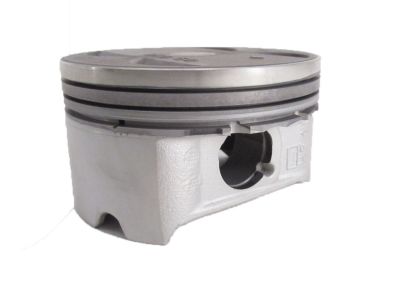
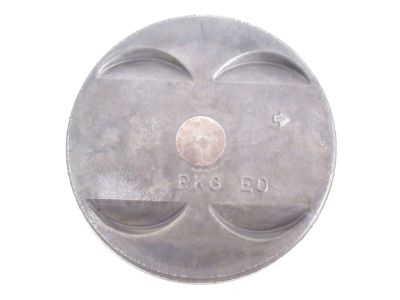
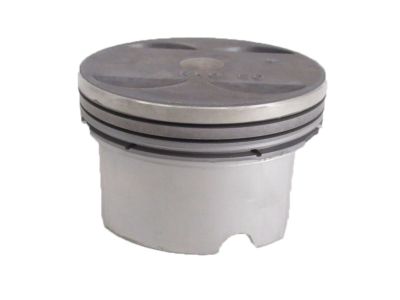
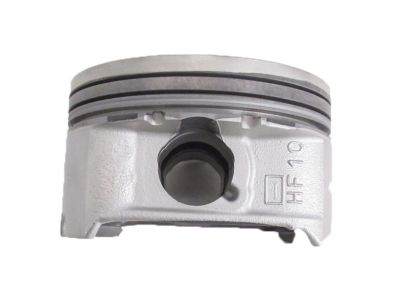
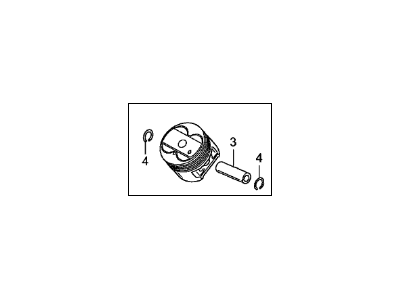
Acura Piston Set
Part Number: 13010-RKG-305$279.15 MSRP: $398.66You Save: $119.51 (30%)Ships in 1-3 Business DaysProduct Specifications- Other Name: Piston, Set; Piston
- Replaces: 13010-RKG-E00
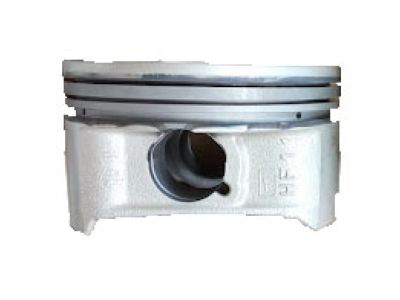
Acura Engine Piston
Part Number: 13010-RYE-A00$182.43 MSRP: $260.54You Save: $78.11 (30%)Ships in 1-3 Business DaysProduct Specifications- Other Name: Piston Set; Piston
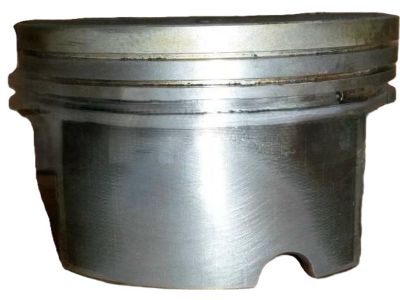
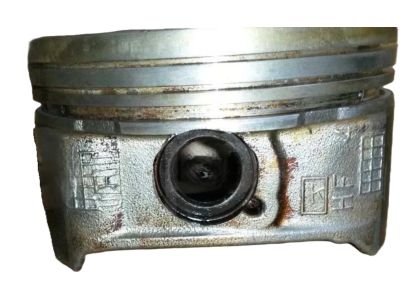
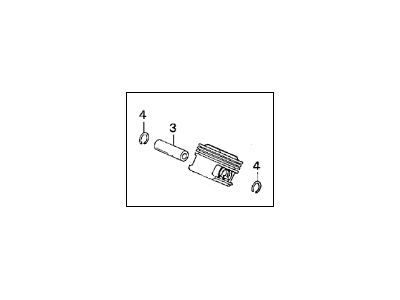
Acura Piston Set (STD)
Part Number: 13010-RJA-000$145.22 MSRP: $205.11You Save: $59.89 (30%)Ships in 1-3 Business DaysProduct Specifications- Other Name: Piston
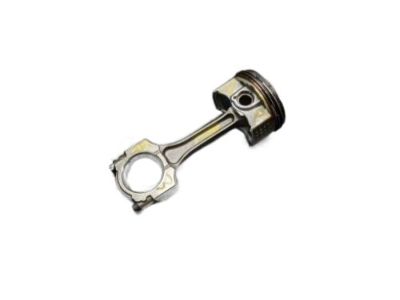
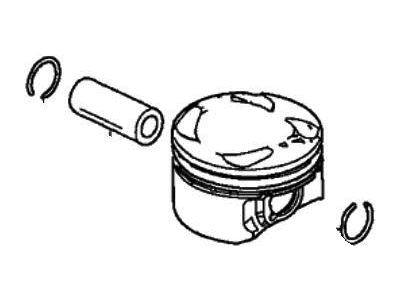
Acura Piston A Set
Part Number: 13010-RDF-A00$53.44 MSRP: $74.53You Save: $21.09 (29%)Ships in 1-3 Business DaysProduct Specifications- Other Name: Piston
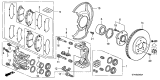
Acura Piston
Part Number: 45216-SHJ-A01$17.38 MSRP: $24.24You Save: $6.86 (29%)Ships in 1-3 Business DaysProduct Specifications- Other Name: Caliper Piston
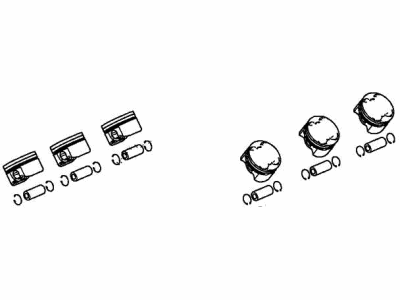
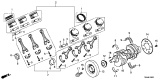
Acura Piston Set, Special
Part Number: 13100-58G-A00$1847.10 MSRP: $2637.96You Save: $790.86 (30%)Ships in 1-3 Business Days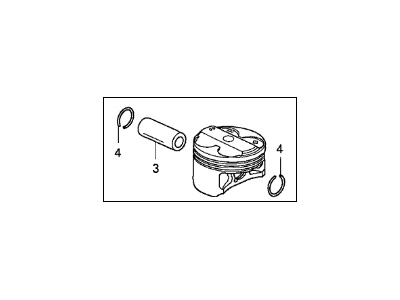
Acura Piston Set A (STD)
Part Number: 13010-RWC-A00$143.69 MSRP: $202.94You Save: $59.25 (30%)Ships in 1-3 Business DaysProduct Specifications- Other Name: Piston
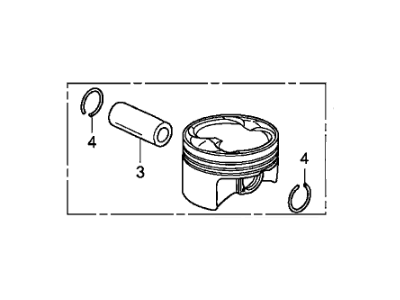
Acura Piston Set A (STD)
Part Number: 13010-RL5-A00$140.69 MSRP: $198.71You Save: $58.02 (30%)Ships in 1-3 Business DaysProduct Specifications- Other Name: Piston
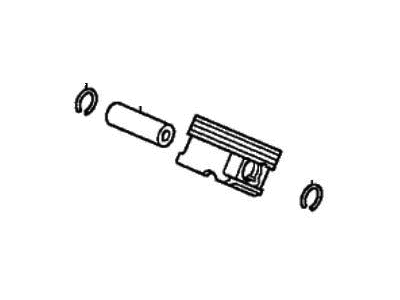
Acura Piston Set (STD)
Part Number: 13010-R9P-A00$153.36 MSRP: $216.62You Save: $63.26 (30%)Ships in 1-3 Business DaysProduct Specifications- Other Name: Piston
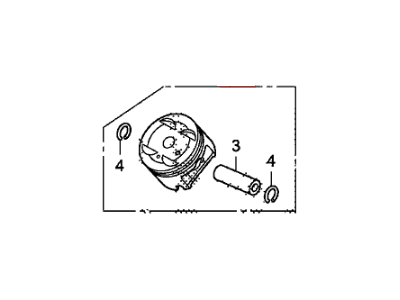
Acura Piston Set (STD)
Part Number: 13010-R70-A10$88.42 MSRP: $124.05You Save: $35.63 (29%)Ships in 1-3 Business DaysProduct Specifications- Other Name: Piston
Acura Piston Set (Over Size) (0.25)
Part Number: 13030-RL5-A00$66.13 MSRP: $92.23You Save: $26.10 (29%)Ships in 1-3 Business DaysProduct Specifications- Other Name: Piston

Acura Piston Set, Front (Std)
Part Number: 13010-6S9-A00$246.91 MSRP: $352.64You Save: $105.73 (30%)Ships in 1-3 Business DaysProduct Specifications- Other Name: PSTN SET, FR. (STD); Piston
- Position: Front
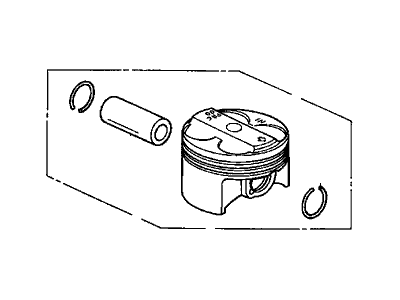
Acura Piston Set A (STD)
Part Number: 13010-PRB-A01$140.89 MSRP: $199.02You Save: $58.13 (30%)Ships in 1-3 Business DaysProduct Specifications- Other Name: Piston
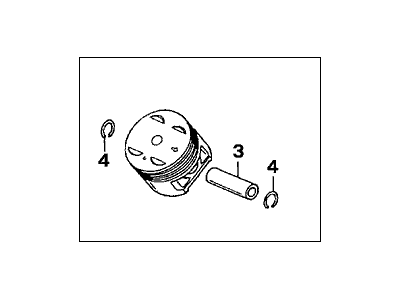
Acura Piston Set (Over Size) (0.25)
Part Number: 13030-RGL-A00$111.51 MSRP: $157.50You Save: $45.99 (30%)Ships in 1-3 Business Days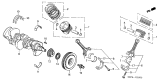
Acura Piston Set (Std)
Part Number: 13010-RDA-A00$168.46 MSRP: $237.93You Save: $69.47 (30%)Ships in 1-3 Business DaysProduct Specifications- Other Name: Piston
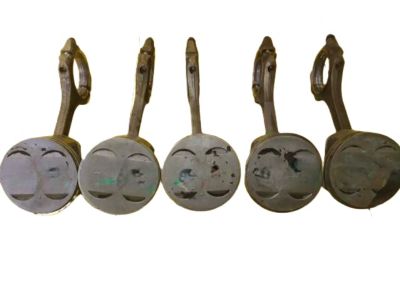
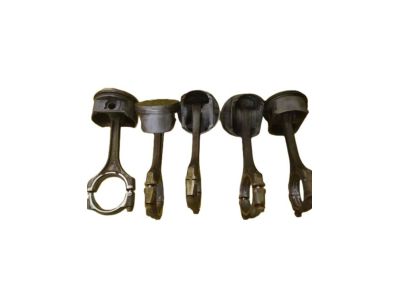
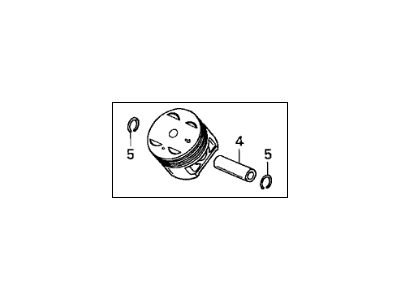
 Product Specifications
- Other Name: Piston
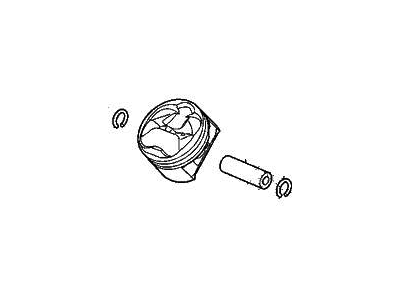 Product Specifications
- Other Name: Piston
- Position: Rear
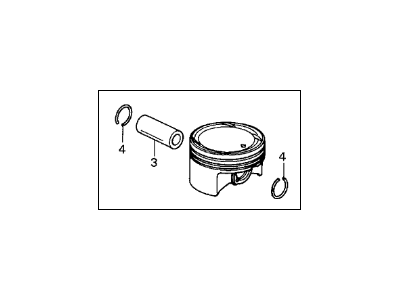
 Product Specifications
- Replaces: 13010-RBB-000
- Product Specifications
- Other Name: Piston
- Product Specifications
- Other Name: Piston
- Position: Front
| Page 1 of 8 |Next >
1-20 of 155 Results
Acura Pistons Parts Questions & Experts Answers
- Q:How Should Connecting Rod and Pistons Assemblies Be Prepared for Inspection and Reassembly on an Acura Legend?Posted by Yauheni G.A:New piston rings constitute the only material to use for installation during reassembly after the inspection process begins. The piston/connecting rod assemblies require cleaning before obtaining new piston rings and removing the original rings from pistons. The piston ring tool must be employed to take out the rings from each piston with great caution to prevent damage. A hand-held wire brush together with fine emery cloth should be used to remove all carbon residue from the top of the piston. The use of wire brushes attached to drill motors is not recommended since this could damage the soft piston material. A piston ring groove cleaning tool needs to be used to eliminate carbon buildup in the ring grooves instead of relying on a portion of the old ring since this method ensures carbon extraction without hurting the metal structure. The cleaning process should finish with air compression drying which must clear all openings in the rods including oil return holes and oil holes. The replacement of new pistons becomes unnecessary unless the engine block needs reboring as a matter of damage prevention though new rings must be installed for each rebuild of the engine. You should inspect each piston to detect cracking, scoring, burned areas alongside scuffing and holes since these overheating signs might need you to examine the cooling followed by lubrication systems thoroughly. The detection of small pits on engine parts indicates coolant leakage which requires immediate attention to stop its recurrence during engine rebuild. Check piston ring side clearance through multiple measurements with a new piston ring and proper feeler gauge positioning around each groove while selecting the correct ring for every groove and excessive clearance requires new pistons. The bore measurement along with the piston diameter should match correctly to determine piston-to-bore clearance and standard markings on engine block and pistons should be checked. An angle-90-degree measurement of piston skirt across the surface will determine piston-to-bore clearance by subtracting piston diameter from bore diameter; excessive clearance requires block rebores along with new pistons and rings. The inspection of piston pin-to-rod clearance requires twisting the piston and rod together in different directions since noticeable movement suggests significant wear that requires resizing with new pins at a professional automotive machine shop. Connectors with pistons should be submitted to automotive machine shops for detecting bend and twist before proceeding with disassembly unless replacing parts. The inspection of connecting rods should include a check for cracks and damage followed by rod cap removal to evaluate bearing surfaces for nicks and scratches before replacing old bearings while tightening caps finger tight until new rods need installation during rebuilding campaigns for connecting rod knock.Answered by Acura Parts Specialist Mitch / Aug 26, 2023


