×
- Hello
- Login or Register
- Quick Links
- Live Chat
- Track Order
- Parts Availability
- RMA
- Help Center
- Contact Us
- Shop for
- Acura Parts
- Acura Accessories

My Garage
My Account
Cart
Genuine Acura Legend Engine
- Select Vehicle by Model
- Select Vehicle by VIN
Select Vehicle by Model
orMake
Model
Year
Select Vehicle by VIN
For the most accurate results, select vehicle by your VIN (Vehicle Identification Number).
18 Engines found

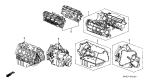
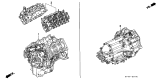
Acura Legend Engine
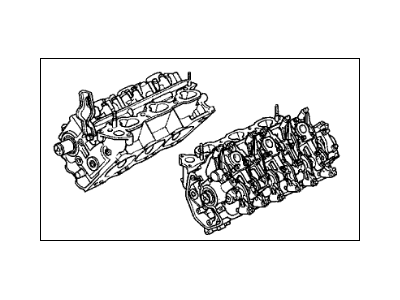
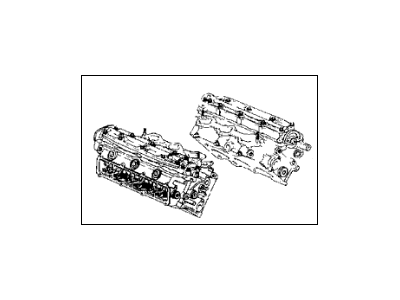
The Acura Legend Engine is what gives the car its life on the road by turning the fuel explosions into crankshaft movement, which makes the wheels turn. Drivers hold this heart of the automobile in high regard, as without a functioning Engine, the sleek sedan is nothing but immobile metal. When serious wear strikes, owners are often advised to skip complicated repairs and replace the entire Engine assembly, a choice that reduces cost and downtime. Two major replacement types are available. A short block Engine brings pistons, rods, and crankshaft but requires the cylinder head to be omitted, which makes it more affordable on the wallet but requires additional parts from the old motor. A long block version takes those pieces plus the head, providing a more complete product at a higher price. Whether short or long, each Engine comes ready to bolt up after the old unit has been hoisted clear by basic shop tools and constant planning, step by step from disconnecting the battery to easing the new powerplant onto its mounts. Because the Acura nameplate retained the same fundamental V6 layout throughout all generations of the Legend, deciding on the proper length of the block, rather than chasing different designs, remains the pivotal choice of Acura loyalists bent on preserving their cherished Legend.
We provide a broad range of OEM Acura Legend Engine at unbeatable prices on our website. For your OEM parts, You can count on the guaranteed quality, manufacturer's warranty, outstanding customer service, and prompt delivery. We look forward to your visit.
Acura Legend Engine Parts Questions & Experts Answers
- Q:When should an engine be completely overhauled on an Acura Legend?Posted by Lisa G.A:Deciding when to completely overhaul an engine isn't simple, since we need to weigh several different things. Having many miles on your engine isn't always a sign you must overhaul it, and having few miles doesn't guarantee you won't need one. Having regular oil changes and filter replacements will keep your engine working right, but if you neglect these tasks early, you'll likely need a full engine repair. If an engine uses extra oil, we know that we likely need to work on the Piston Rings, valve seals, or valve guides. Checking the compression in each cylinder can help us see how much work we need to do. Be sure to measure your oil pressure by putting a gauge where your factory oil pressure sending unit used to be, particularly if you have a Legend model. If your car experiences these same symptoms at once - losing power, running roughly, making knocking noises, hearing loud valve work, and going through more fuel than normal - it's likely time for an engine replacement. During an engine overhaul, you reassemble all components to match their original factory standards, replacing the piston rings, redone cylinder walls, and newer main, connecting rod, and camshaft bearings. When renovating your engine, you need both new fixing parts and to look for flow problems and leaks in the radiator. After going through the entire procedure, get all parts and tools you need, and plan to tie the vehicle up for at least two weeks before you start. To inspect parts correctly, you'll need special measuring tools along with normal hand tools to do most of the work. Only start the repair work when the engine parts are fully apart and we've checked all components, then we can choose how to fix it - either fix the original engine with new parts or buy a new rebuilt block. Taking your time during the repair is most important, which is why you should never put in poorly made or weaker parts, and you must carefully put everything together in a clean setting to make sure the engine lasts longer and has less issues.Answered by Acura Parts Specialist Roberto / Mar 25, 2026
Related Acura Legend Parts
 Acura Legend Valve Cover Gasket
 Acura Legend Cylinder Head Gasket
 Acura Legend Crankshaft
 Acura Legend Transmission Gasket
 Acura Legend Camshaft Seal
 Acura Legend Engine Block
 Acura Legend Camshaft
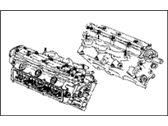
 Acura Legend Cylinder Head
 Acura Legend Exhaust Manifold Gasket
 Acura Legend Intake Manifold Gasket
 Acura Legend Oil Pan
 Acura Legend Transmission Assembly